White Dwarf Spotted Devouring the Planet It Birthed - Eos
This story deserves to be shared
Send it to someone who'd care, or post it on your networks.
This article is an excerpt. To read the full content, visit the original source. Eos
Related articles
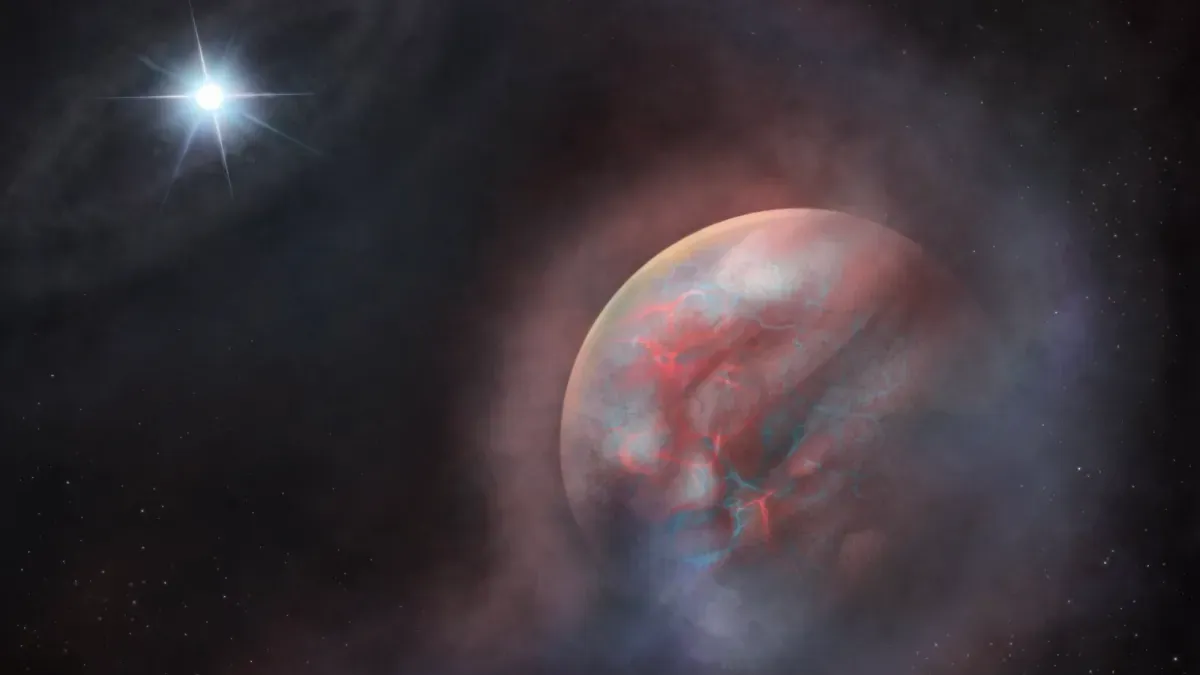
Dead star likely birthed a new planet, in astronomical first - Popular Science
An artist's impression of the second-generation planet orbiting HS 0209+0832, the first such planet to be found orbiting a white dwarf. A star’s explosive death is often apocalyptic for its closest planets. In our solar system, the sun’s expansion into a red giant about five billion years from now will spell doom for Mercury, Venus, and possibly even Earth. But a dead star isn’t only capable of destruction. Astronomers suspect that gravity from highly magnetized, fast-spinning neutron stars known as pulsars can sometimes assemble enough material to form second-generation planets. But for the first time, scientists have detected a potential planet birthed from a white dwarf—and it may only be the first of more to come
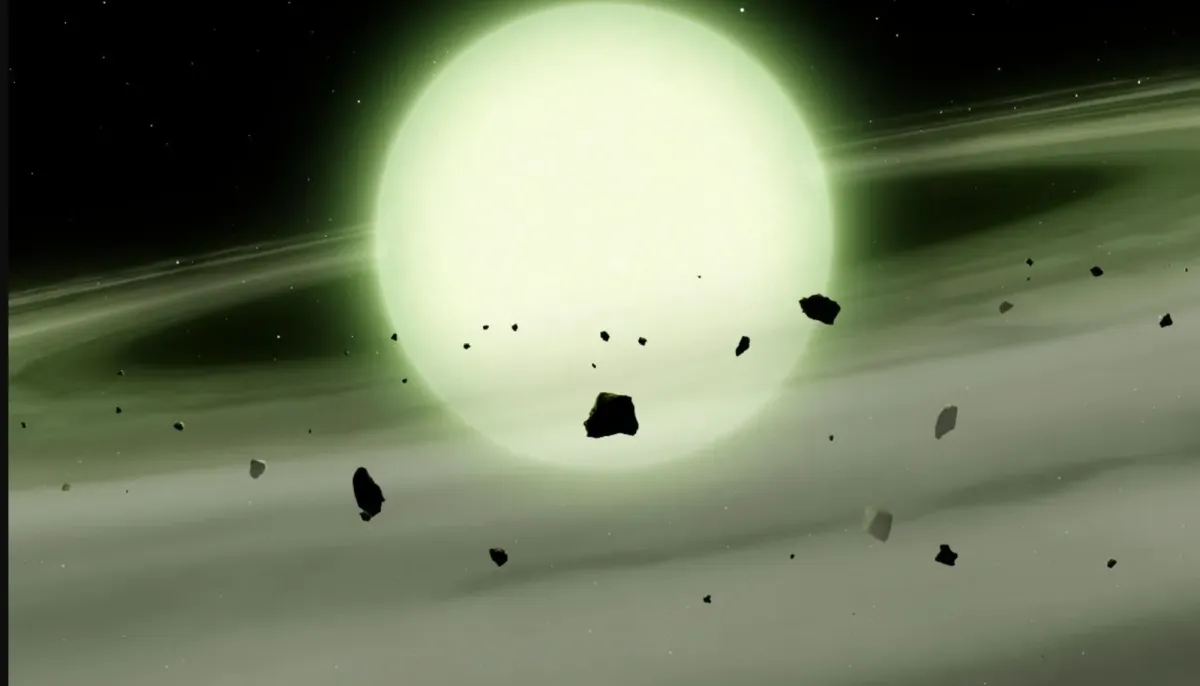
A white dwarf’s unusual atmosphere gives it a ghostly green glow - The Brighter Side of News
The writeup distinguishes calculated appearances from direct photographs and uses the paper’s sample of 152 stars. The study investigates how dense atmospheres produce unusual stellar colors. arxiv.orgA Warwick-led analysis finds that some white dwarfs would appear green, pink, purple, yellow or cyan to human eyes. Dense atmospheres and trace chemicals reshape their light, allowing their colors to depart from the usual temperature sequence. Five of 152 nearby white dwarfs showed strongly unusual colors, while the sample’s typical color remained close to white. A stellar remnant with traces of swallowed planetary material would look green to a nearby human observer. Its unexpected appearance emerges from an analysis showing that white dwarf stars can display colors far beyond their familiar white and pale blue. The University of Warwick-led study, published in RAS Techniques and Instruments, calculated how these stars’ light would register in human vision. The results include yellow, cyan, pink and purple examples, alongside the striking green object WD J1330+6435. These are calculated appearances based on spectra and atmospheric models, rather than close-up photographs.
'White' dwarf stars can be purple, pink and even green, surprising new study finds - Live Science
Stellar remnants called white dwarfs appear to come in a rainbow of colors, according to a new study.
0 comments
No comments yet. Be the first to share your thoughts!