What Health Insurance Risk Pooling Is, and Why It’s Key to Maintaining Affordability - Commonwealth Fund
This story deserves to be shared
Send it to someone who'd care, or post it on your networks.
This article is an excerpt. To read the full content, visit the original source. Commonwealth Fund
Related articles
ACC Scientific Statement Says Overall Diet Quality Key to Maintaining Heart Health - American College of Cardiology
A healthy, balanced dietary pattern, rather than one focused on individual nutrients or foods, is key to maintaining heart health, according to a new ACC Scientific Statement on Food and Health: Nutrition for Prevention and Management of Cardiovascular Disease. Read the full Statement in JACC. The Statement reviews current evidence on nutrition and cardiovascular health, including macronutrients, micronutrients, dietary patterns, ultra-processed foods and emerging nutrition-based interventions, and offers consensus recommendations on incorporating food and health into clinician/patient discussions on preventing and managing heart disease.

Health Matters: AB government maintaining $100 COVID-19 vaccine fee - Global News
Patient with lung cancer gets wrong medication at Stony Plain hospital Alberta expands access to cancer treatment with new Calgary production facility
WHO recommends near point-of-care tests, tongue swabs, and sputum pooling for TB diagnosis - World Health Organization (WHO)
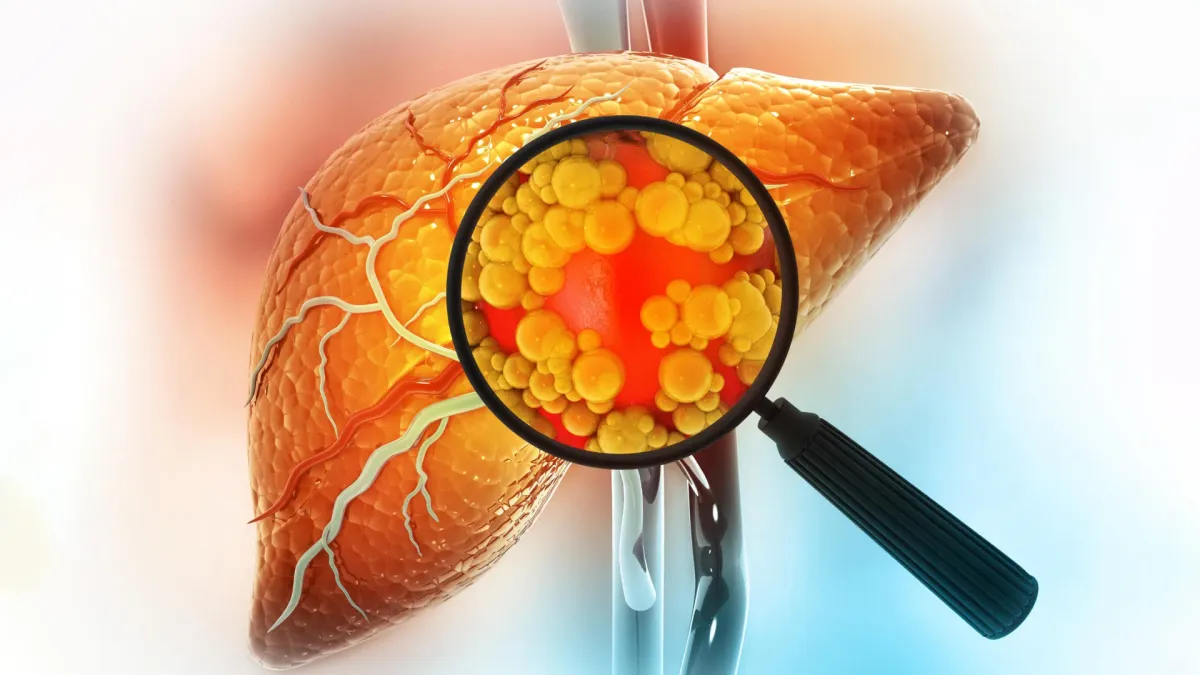
Fatty liver disease is actually five different conditions, scientists discover - Science Daily
A common liver disease affecting nearly 30% of adults worldwide is far more complex than previously understood. Researchers at Mayo Clinic have identified five biologically distinct forms of the condition, each associated with different risks of serious health complications, including heart disease, liver failure, cancer, and the need for a liver transplant. The findings, published in Nature Communications, come from a collaboration between Mayo Clinic and Virginia Tech. Scientists discovered that metabolic dysfunction-associated steatotic liver disease, or MASLD, can develop through several different biological pathways. Some are closely connected to obesity and diabetes, while others appear to be driven by inherited genetic differences.
0 comments
No comments yet. Be the first to share your thoughts!