What Art Can Do for the Future - UNESCO
This story deserves to be shared
Send it to someone who'd care, or post it on your networks.
This article is an excerpt. To read the full content, visit the original source. UNESCO
Related articles
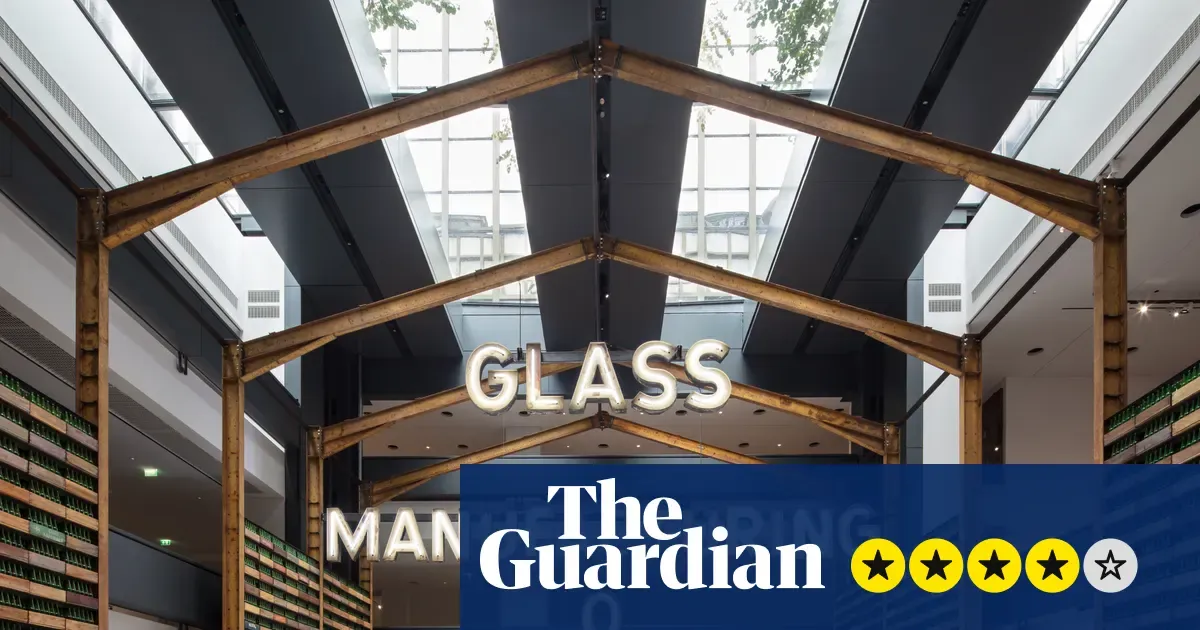
Why has a crumbling bottle plant been rebuilt in Paris? The stunning show suggesting the future is Ghana-shaped
Ibrahim Mahama has dug through the ruins of post-colonial Ghana, sorted through the ashes of its ancient history, picked through the industrial detritus, the corporate waste, the piles of rubbish, and found something pretty unique: hope. Ibrahim Mahama, pictured at the Barbican Centre, London, in 2025. Photograph: Christian Cassiel/Barbican CentreSit on one of the Asante stools in his circular Parliament of Ghosts and you can almost feel a new future being worked out right in front of you. It’s the first installation in this huge exhibition at the Fondation Cartier in Paris, and it sums Mahama up pretty neatly. He’s looking at the collapse of the Ghanaian government in 1966, the way the hope of the post-colonial project was crushed in a military coup, and he’s looking at ancient Ghanaian history, at the empires that fell centuries ago and the way colonialism tore them to shreds. But he’s not lamenting any of them. He’s not mourning. Instead, he’s reclaiming them, asking how things can be rebuilt, how we can move forwards by learning from the past. And he does it over and over. In 2024 he bought an old bottle factory – a symbol of industry and its collapse.

As fans reject AI-generated music, even boosters are drawing the line
Streaming services, notable musicians and fans are confronting the growing presence of AI-generated music and drawing lines in the sand. On Tuesday, Spotify announced it had removed about 50m songs considered AI slop from its recommendations to users over the past year. “Our editors hold the same standard and don’t program content identified as slop or spam,” a statement from the company read. Spotify requires “AI persona” badges on artist profiles that don’t represent a real human being, but it does not require individual songs generated by AI to be labeled. Other streaming services have taken more stringent stances. Though it is cracking down on slop tracks, Spotify is far from AI-shy. The company allows users to create playlists with generative AI and has promised a tool for making AI-generated remixes and cover songs. Unable to ignore the tide, even early AI boosters like the singer and producer Grimes, former paramour of Elon Musk and mother to three of his 14 children, have declared their limits on allowable amounts of AI. She and other musicians say they are open to AI-generated music but wary. Fans, by contrast, have little tolerance for it.

High School Musical review – Disney fave is sweet, slick and as squeaky clean as ever
Since soaring on screen 20 years ago, this Disney Channel favourite has cemented itself as a squeaky clean, painstakingly earnest but no less beloved descendant of Grease. Like Danny and Sandy, Troy Bolton and Gabriella Montez share a holiday romance and wind up at school together the following term, where the social pecking order initially keeps them apart. Driven by a shared love of singing, they defy conventions to end up together. This new stage production, first seen at Salford’s Lowry, is directed by Hope Mill theatre founders Joseph Houston and William Whelton. No, it can’t escape the limitations of the story’s spectacularly two-dimensional characters, who are siloed into the camps of jock, brainiac or drama kid, and whose stock traits are indulged in the book by David Simpatico, but it’s bright and buzzy nonetheless. Bright and buzzy … Tobias Turley and Leonor Correia in High School Musical.
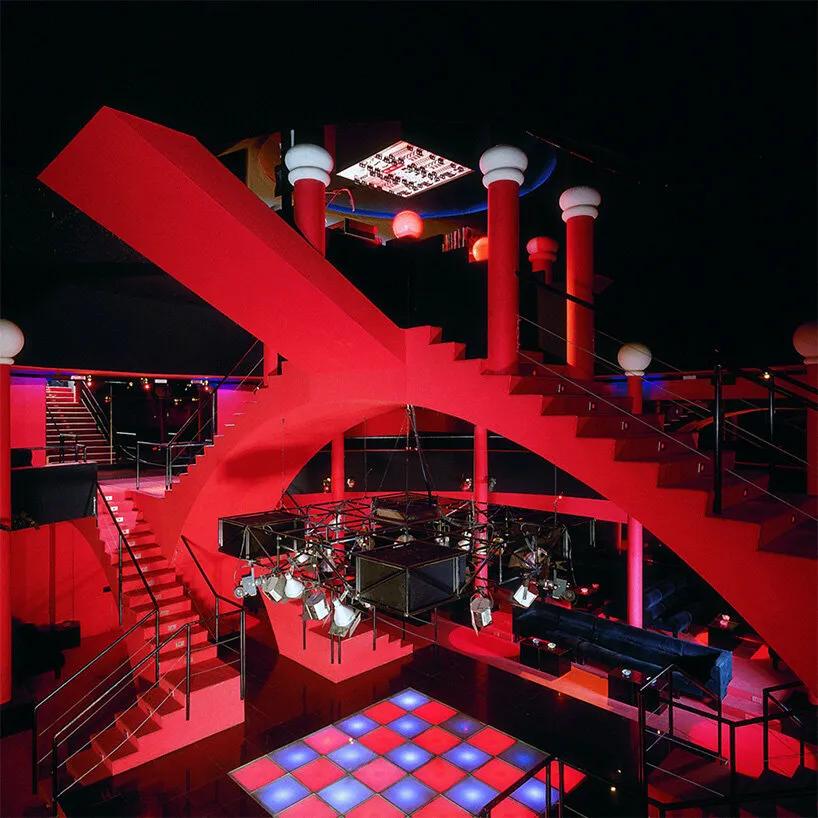
what we learned: spectator and spectacle
in this chapter, we journeyed from underground nightclubs to cinematic illusions, wearable architectures, and sculptural mirrors, exploring how spectacle can challenge our perceptions and experience the world. Iñaki Laguardia October 21, 2026 8 min prefer designboom on googleWHAT HAPPENS WHEN WE STOP JUST WATCHING? When Sofia Lekka Angelopoulou opened SPECTATOR AND SPECTACLE, she posed a question that challenged our relationship with the world around us: ‘What if we are not overwhelmed by spectacle, but starved of it?’ In her opening editorial, The Haçienda Must Be Built, she traced the history of the night, from radical discotheques to the increasingly measured and optimized rhythms of contemporary life, asking what happens when experiences become predictable and images lose their capacity to surprise us. Over the weeks that followed, the chapter explored how architecture, art, fashion, and design might recover that sense of wonder. Again and again, spectacle emerged not simply as something to observe, but as an experience capable of unsettling our habits, changing our behavior, and dissolving the boundary between those who watch and those who perform.
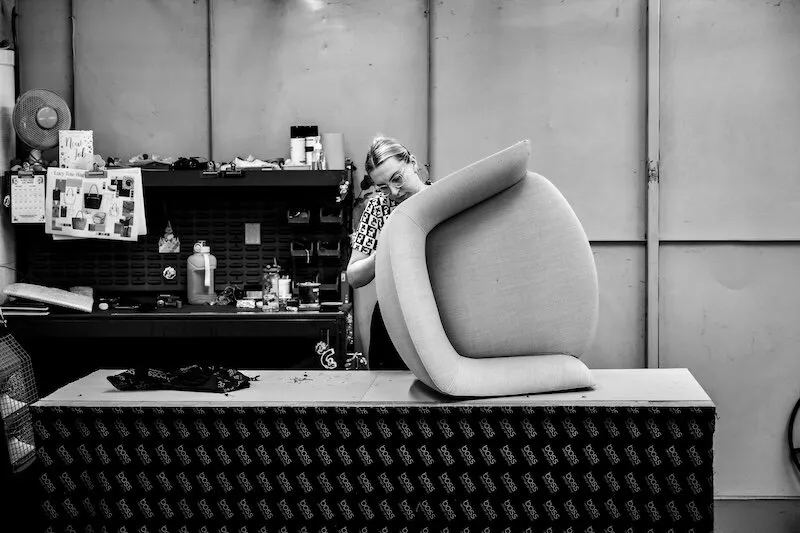
boss design turns outdated furniture into timeless pieces with circular initiative
the british furniture brand gives old pieces a new lease of life through a circular initiative and a chair built to last. belen afonso October 21, 2026 4 min prefer designboom on googleBoss Design’s The Loop revives discarded furnitureWhen planning a space, Boss Design knows that an interior design studio considers more than its architectural characteristics. The furniture used to populate that room is as much a part of the design as the walls surrounding it. Yet we often encounter the dilemma of interior designs that systematically discard existing pieces to create a space better suited to current needs. Whether due to natural wear from use or changes in furniture trends or personal tastes, hundreds of recoverable pieces are discarded every year in favor of new furniture. This behavior generates a carbon footprint that is both significant and avoidable.renewing the upholstery all images courtesy of Boss DesignBoss chooses most effective way to protect environmentToday’s society expresses its interest in protecting the planet through the way it consumes.
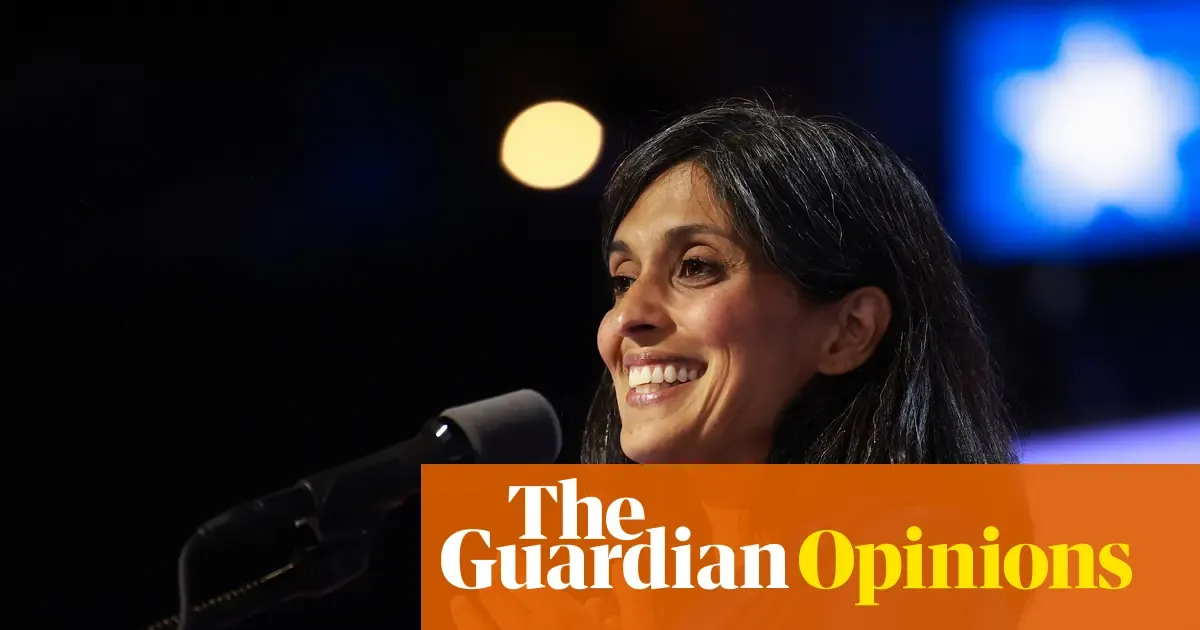
Usha Vance is a closed book – but her Goodreads account is surprisingly revealing | Arwa Mahdawi
Usha Vance, a very clever woman with dubious taste in men, likes to keep herself busy. While lesser mortals (me) waste their one wild and precious life watching Love Is Blind, the second lady has various self-improvement projects on the go. She’s brushing up on her German! She’s hosting a literacy podcast! She’s rereading the classics! And, of course, she’s juggling four young children and the demands of being the vice-president’s spouse. How does she do it all? With the help of taxpayer dollars, I suspect. Easier to get some reading done when you’re being helicoptered everywhere and, as JD Vance has boasted: “People go to the grocery store for me.”But I’m not here to moan about how much the Vance family is costing the taxpayer. I am here to share an important, and only slightly unhinged, theory. The second lady is notoriously private; people are constantly trying to understand what she’s thinking. Now, I think I’ve figured it out. While Usha herself is not an open book, I reckon her bookshelf – or, rather, her Goodreads account – is trying to tell us something. Either that or she’s trolling us.
0 comments
No comments yet. Be the first to share your thoughts!