Webinar - How can we better understand, assess and demonstrate the real-world impact of research, and achieve greater societal value in the future? - World Health Organization (WHO)
This story deserves to be shared
Send it to someone who'd care, or post it on your networks.
This article is an excerpt. To read the full content, visit the original source. World Health Organization (WHO)
Related articles

Report: Trial set for man accused of killing Gaudreau brothers - Sportsnet.ca
The man accused of killing NHL star Johnny Gaudreau and his brother Matthew will stand trial early next year.
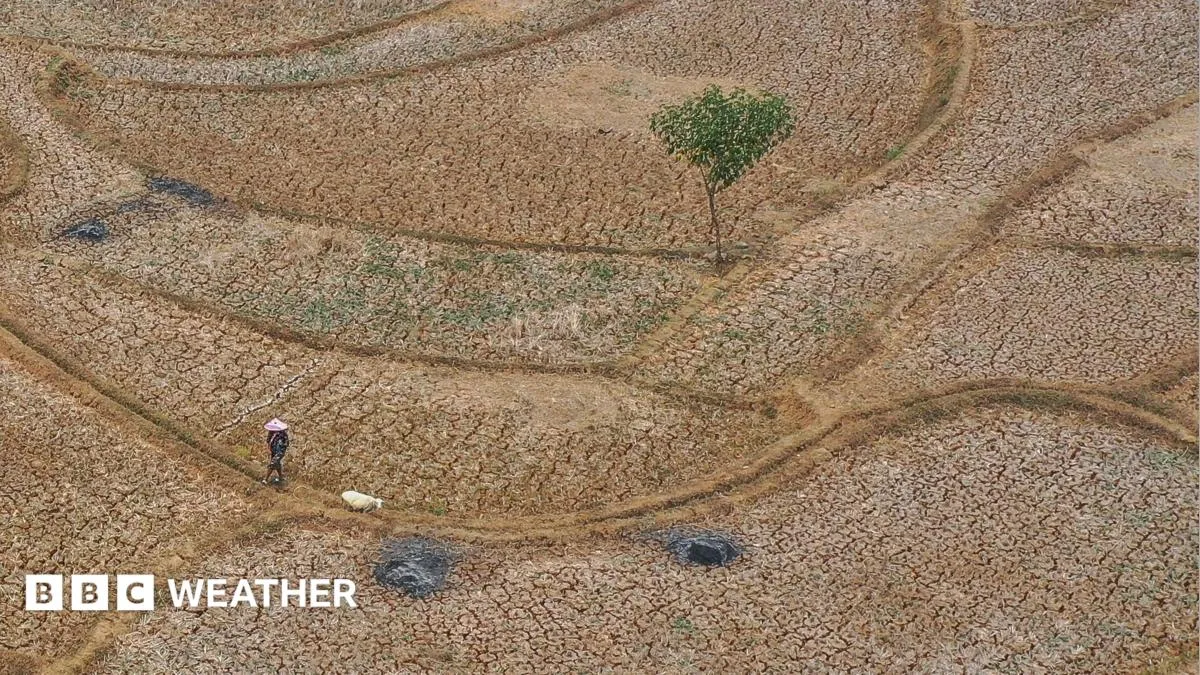
Five ways El Niño is affecting the weather around the world - BBC
In the eastern Pacific, where El Niño tends to strengthen hurricane activity, it has been a very active season so far. There have been 22 named storms and 12 hurricanes, including 10 major hurricanes. This is already above the number that would typically develop in the whole of an average season, with two months left to go until its end. Here, El Niño provides the ingredients of higher ocean temperatures and weaker winds high in the atmosphere, making it easier for storms to gain strength. Hurricane Polo is one such example of this. The hurricane experienced rapid intensification, producing wind gusts of 180 mph (285 kmh), fueled by the very warm waters produced by El Niño. Polo was also one of three hurricanes churning away in the same basin at the same time, along with Odalys and Nolo. Moreover, it has happened twice now in the space of a month. Earlier in September, the energy produced by exceptional ocean heat resulted in three simultaneous hurricanes in the central and eastern Pacific: Lowell, Karina and Marie. Until this year, the last time there had been three Pacific hurricanes at the same time was 2015. In contrast, the Atlantic Ocean has remained eerily quiet.
0 comments
No comments yet. Be the first to share your thoughts!