Watch Japan launch a bold sample-return mission to Mars moon Phobos today - Space
This story deserves to be shared
Send it to someone who'd care, or post it on your networks.
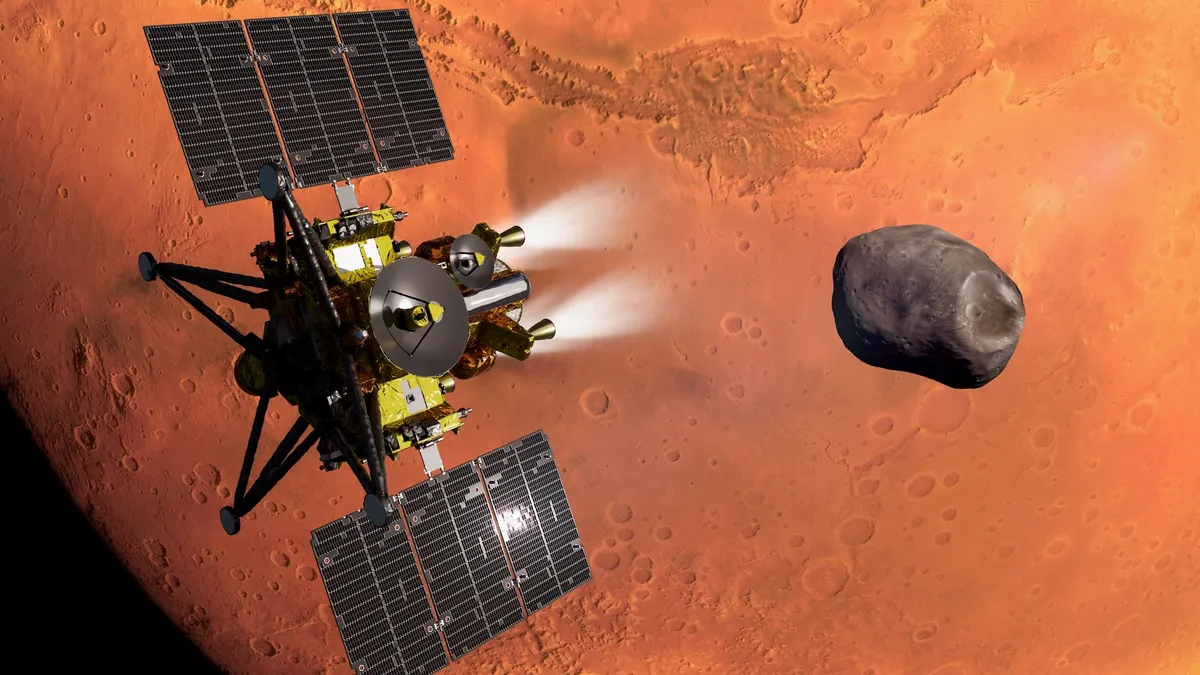
The MMX mission is scheduled to lift off today (Oct. 19) at 3:41 p.m. ET (1941 GMT).
This article is an excerpt. To read the full content, visit the original source. Space
Related articles
Japan prepares to launch sample return mission to Phobos - Astronomy.com
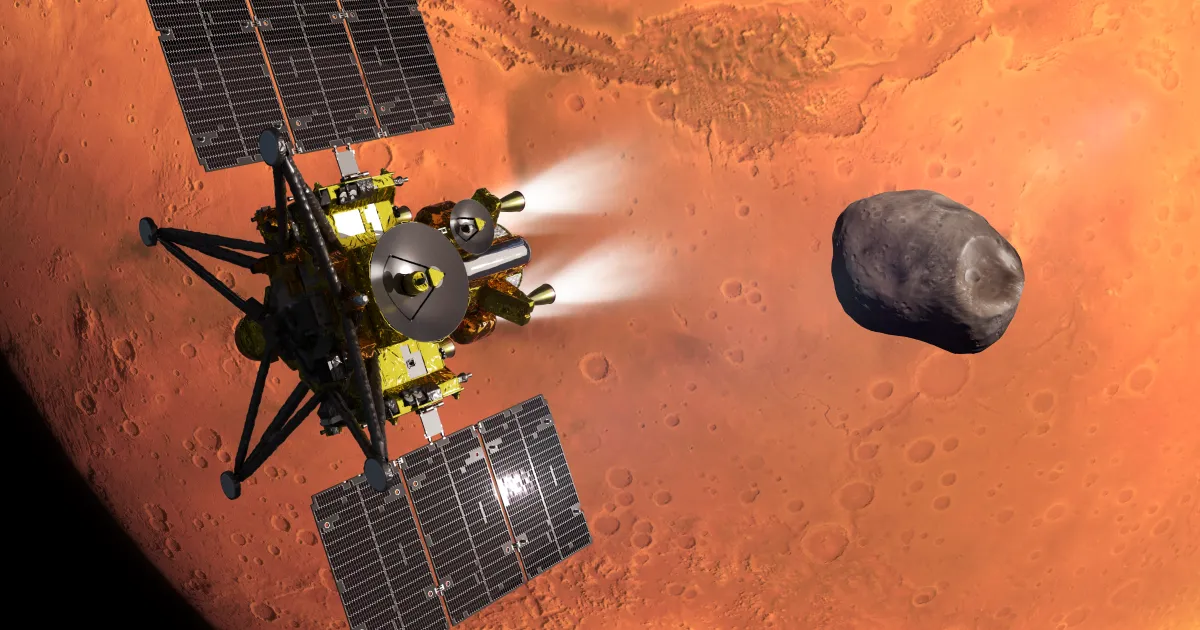
The MMX spacecraft fires its thrusters during Mars orbit insertion in this artist’s rendering. Launching Oct. 19, the mission is headed to Phobos, one of Mars’ two moons, to survey it and return a small sample of its regolith. Credit: JAXA The Japan Aerospace Exploration Agency (JAXA) is targeting Oct. 19 for the launch of a first-of-its-kind sample return mission to the martian moon Phobos.
Japan's MMX mission aims to swipe soil samples from Mars's moon Phobos - Phys.org
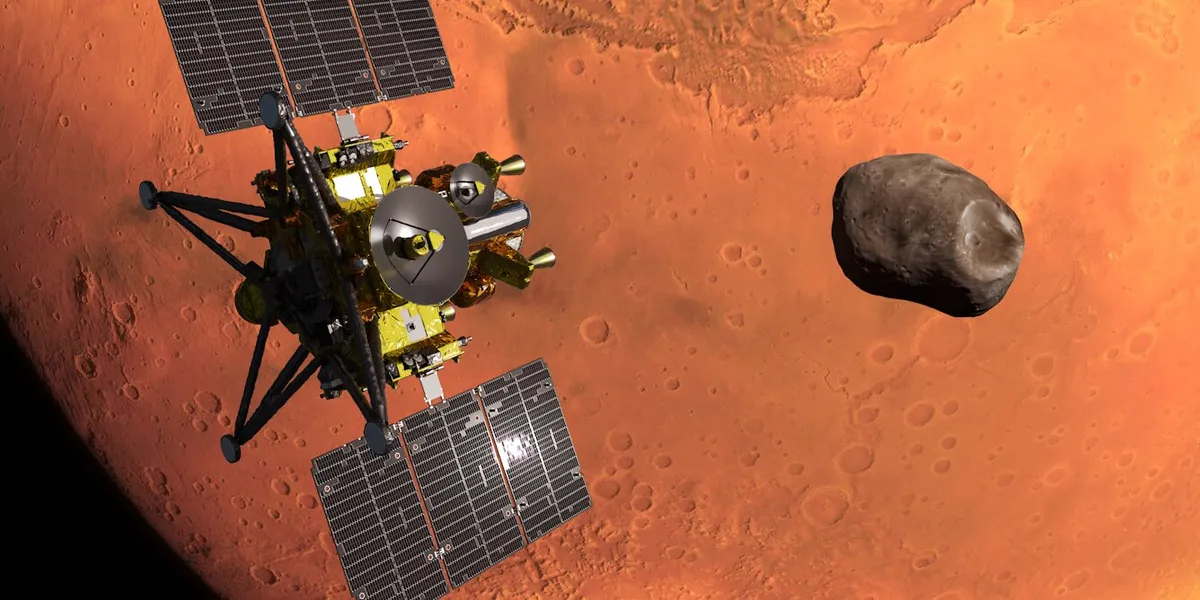
The MMX spacecraft will enter Martian orbit before attempting to collect samples from Phobos. Credit: Jaxa A Japanese space mission is about to launch towards Mars. But it will not land on the planet itself. Instead, the Martian Moons Exploration (MMX) mission will focus on Phobos, the bigger of Mars's two small moons.
Japan’s MMX mission aims to swipe soil samples from Mars’ moon Phobos - The Conversation
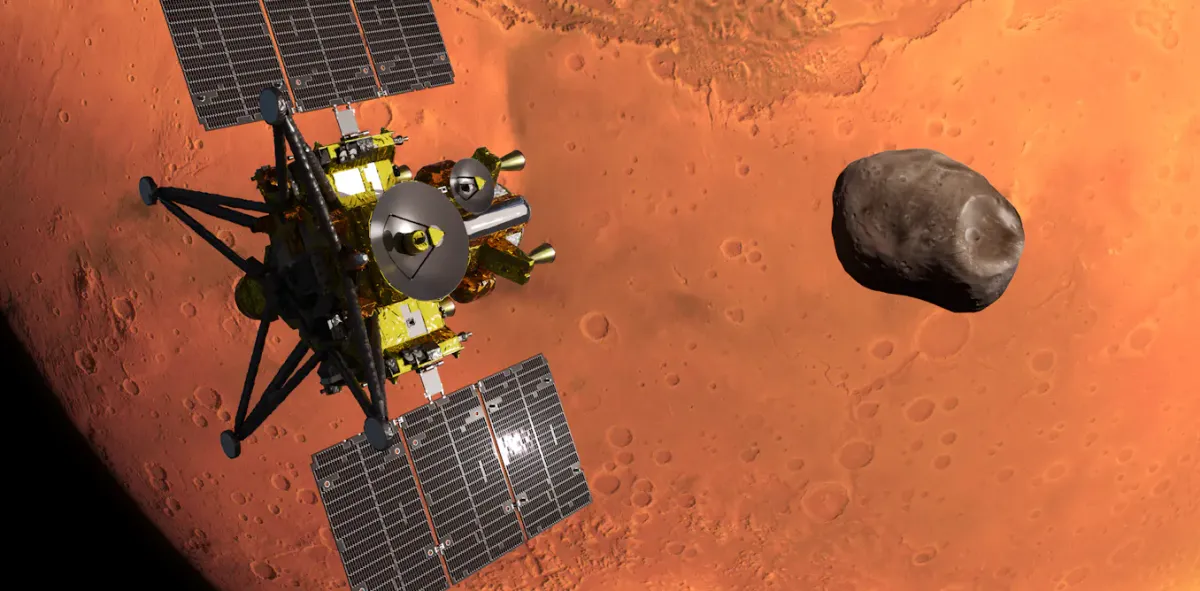
A Japanese space mission is about to launch towards Mars. But it will not land on the planet itself. Instead, the Martian Moons Exploration (MMX) mission will focus on Phobos, the bigger of Mars’s two small moons. The mission will lift off on Monday October 19 at 20:41 BST on an H3 rocket from the Tanegashima Space Center, in the south of Japan.
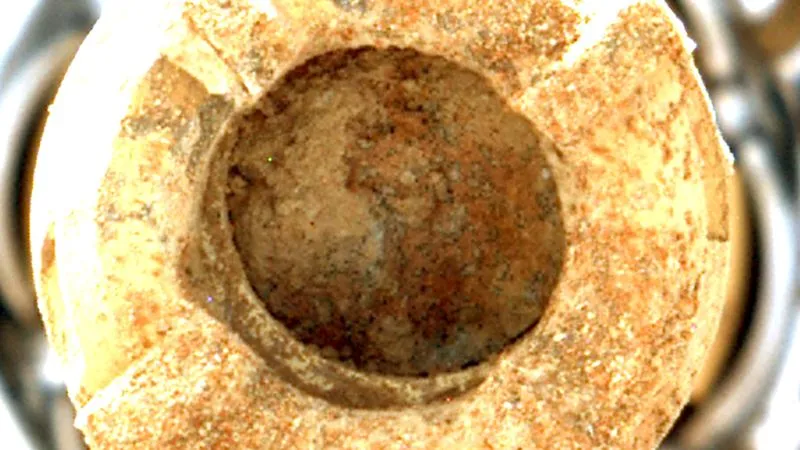
An abandoned rock sample could prove life once existed on Mars. But will it ever reach Earth? - CNN
US officials canceled NASA’s ambitious Mars Sample Return program, leaving potential evidence of ancient life sitting on Mars. Could China beat them to it?
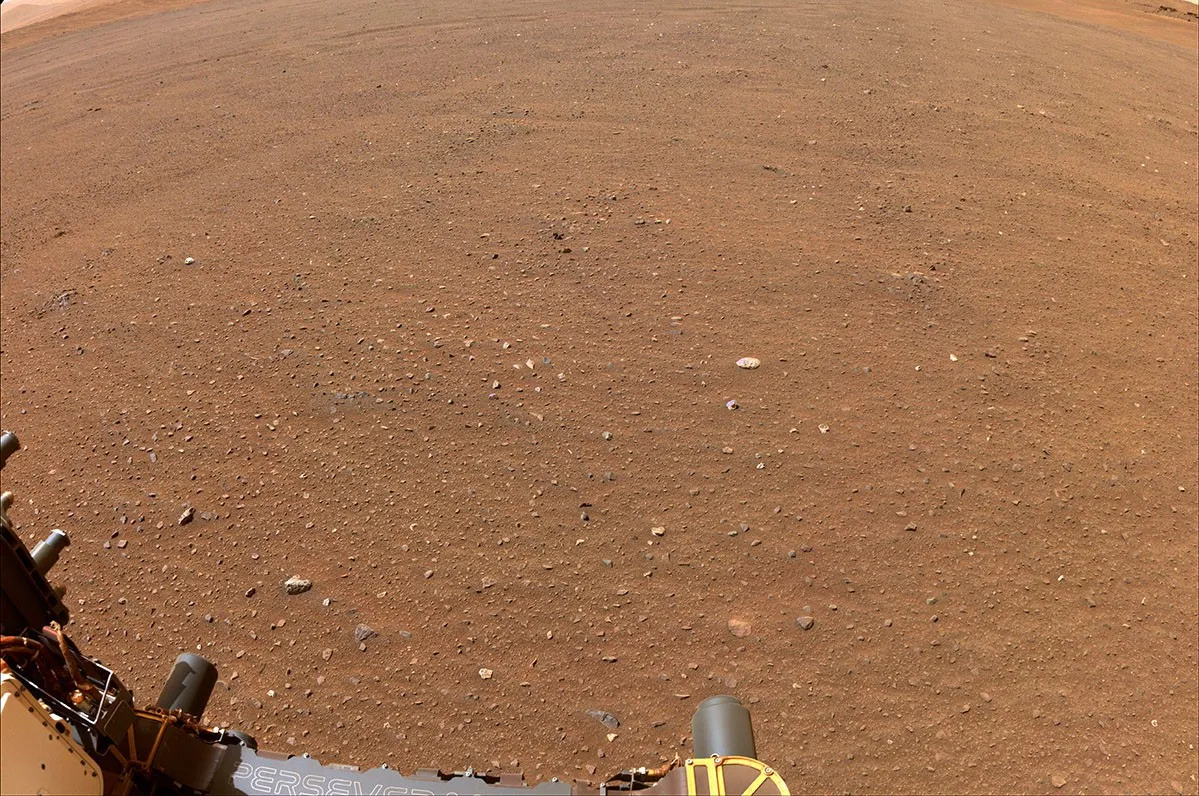
Mars Sample Return - NASA Science (.gov)
These high-resolution images highlight the diversity of materials obtained during the rover’s first 3½ years on the Red Planet. NASA program scientist Lindsay Hays explains what defines potential signs of ancient life on other worlds and why they require future study. NASA’s Perseverance Mars rover is searching for these signs, collecting samples for future return to Earth, and helping pave the way for human exploration. Credit: NASA/JPL-Caltech
0 comments
No comments yet. Be the first to share your thoughts!