Virtual brain twins for stimulation in epilepsy - Nature
This story deserves to be shared
Send it to someone who'd care, or post it on your networks.
This article is an excerpt. To read the full content, visit the original source. Nature
Related articles
Global epilepsy pioneer elected 21st President of the Australian Academy of Science - Australian Academy of Science
Global epilepsy pioneer elected 21st President of the
Reinforcement learning for repetitive transcranial magnetic stimulation protocol selection in treatment-resistant depression - Nature
ORCID: orcid.org/0000-0002-1724-68971, Nicolas Leenaerts2, Shan H. Siddiqi3, Susan A. Murphy2,4, Loreen Straub1, David B. Hathaway3, Jie Yang1, Alejandro G. Szmulewicz5, Meekang Sung1, Rajendra Aldis6, Jacob C. Jameson7, Richard Wyss1, Rachel Wood8, Matthew Ruble8, Cason Elliott8, Denise H. Mulcahy8, Stanley Lyndon3 na1 & … Philip S. Wang1 na1 We’re sharing this article early to provide faster access to peer-reviewed, accepted research. It is citable and carries a permanent DOI. This version is subject to further edits and will be replaced automatically by the final Version of Record. All legal disclaimers apply.
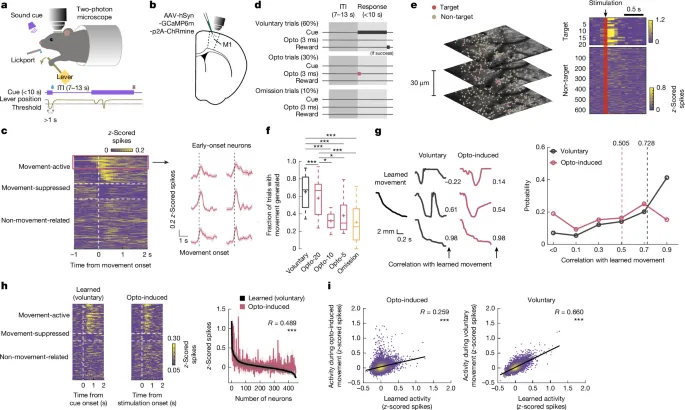
Targeted stimulation of motor cortex ensembles drives learned movements - Nature
The data used in this study are available at Zenodo (https://doi.org/10.5281/zenodo.22216381)48. Source data are provided with this paper. The code used in this study is available at Zenodo (https://doi.org/10.5281/zenodo.22216381)48.
Scientists Built a 3D Cloak That Makes Objects Almost Invisible to Thermal Cameras - ZME Science
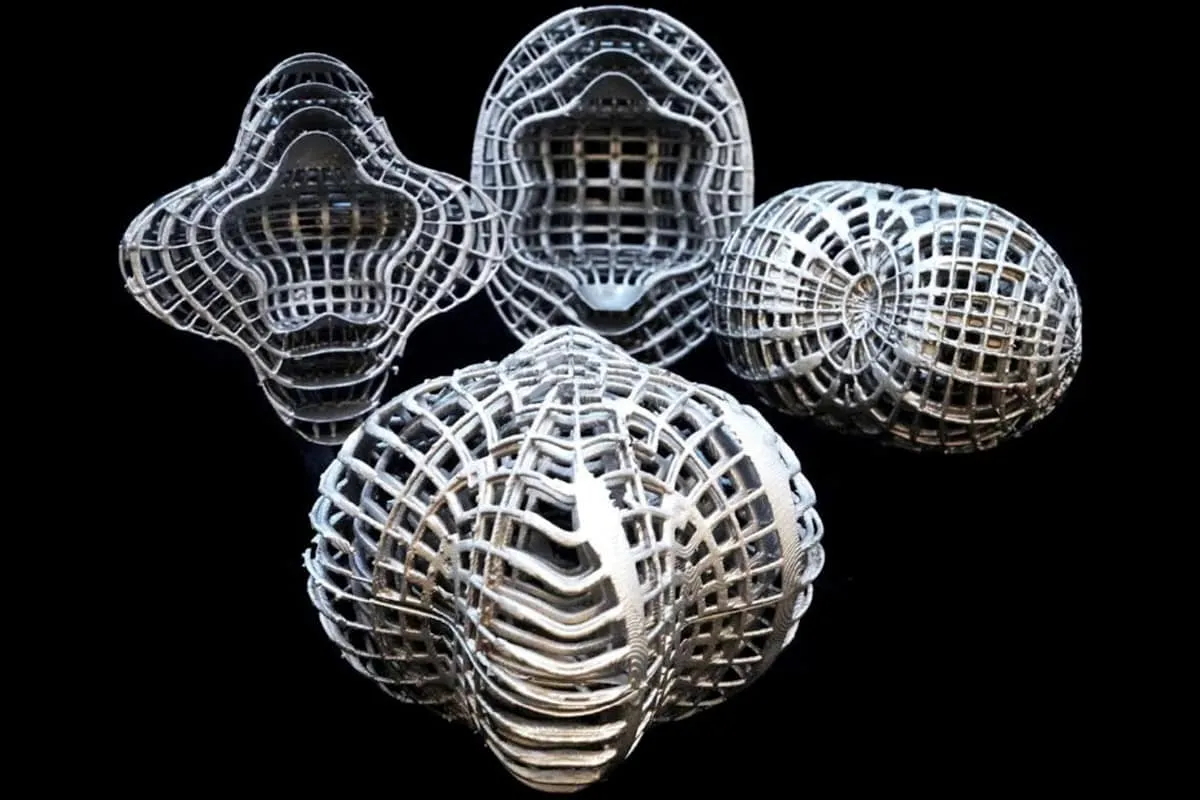
Engineers introduce a 3D-printed, hybrid aluminum-and-rubber cloaking device that blocks an object’s thermal signature by guiding heat around it, rendering it invisible to infrared cameras. Credit: University of Illinois Urbana-Champaign. An object doesn’t have to be visible to give away its location. Sometimes, the way it disrupts the flow of heat is enough to reveal that something is hiding there, much to the despair of camouflaged soldiers who have to endure thermal vision drones on the battlefield. Now, engineers have developed a device that can make that thermal signature almost disappear (although sadly it won’t work for infantry).

Stellar collision may explain why Orion Nebula's planet-forming disks appear younger than its stars - Phys.org
The Orion Nebula is a large star-forming region visible to the naked eye. Some of the young stars in the nebula are surrounded by disks of gas and dust in which planets form. Radiation from the massive central star, 1 Ori C1 (Theta-1 Orionis C1), gradually strips material from these disks, giving them shapes that resemble tadpoles. The disks are losing mass so rapidly that, given the age of the stars (around 1 million years), they should have disappeared long ago. The large gas shell surrounding the central star poses another puzzle. The star sets the surrounding gas in motion, causing the shell to expand at around 13 kilometers per second (8 miles per second).
Scientists uncover the molecular pillars that shape our cells' powerpacks - Phys.org
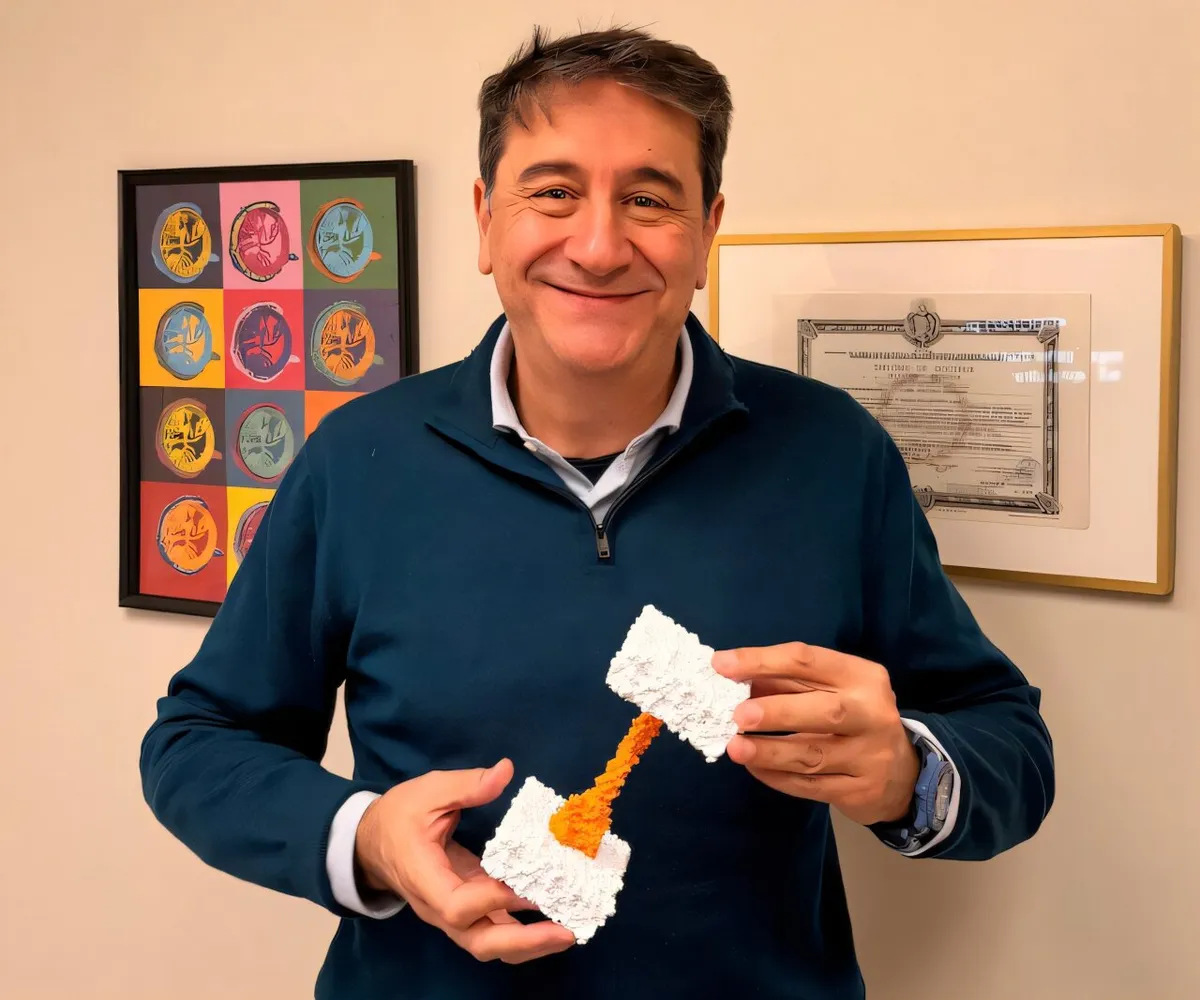
"What makes SPRIZ so unexpected is that it uses a familiar mechanism—a tether—to do something different: it connects the two mitochondrial membranes while acting as a rigid pillar that holds them a set distance apart, so the room between them keeps a defined height," explains Dr. Luca Pellegrini, full professor at the University of Ottawa, who led the study. Credit: Faculty of Medicine, University of Ottawa Mitochondria are the tiny powerpacks that supply most of the energy our cells need. Their ability to generate this energy relies on a distinctive architecture: two membranes, one tucked inside the other, separated by a narrow gap called the intermembrane space (IMS). This tiny space helps sustain the chemistry of energy production, making its organization critical to how these cellular powerpacks function.
0 comments
No comments yet. Be the first to share your thoughts!