Unseen Picassos Could Fetch $42M at Auction
This story deserves to be shared
Send it to someone who'd care, or post it on your networks.
Plus, a new Shakespeare play, Beatlemania in Aix-en-Provence, and other art world matters.
This article is an excerpt. To read the full content, visit the original source. Artnet News
Related articles
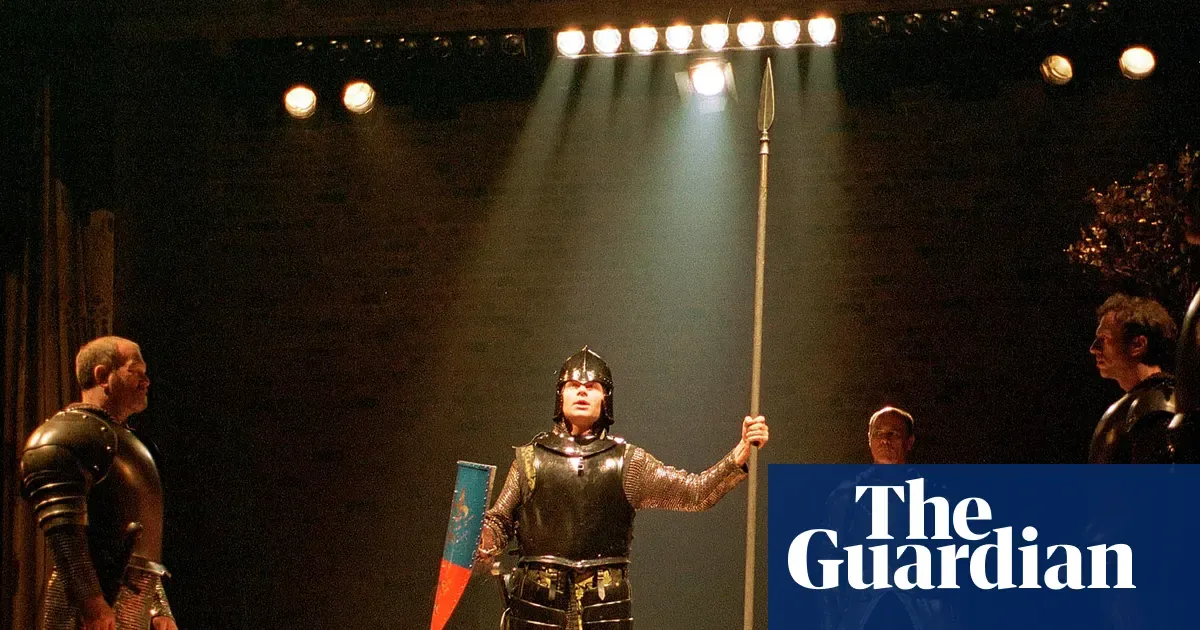
Scholars conclude ‘beyond doubt’ that Shakespeare was main author of Edward III
Dramatic new evidence concludes that the play Edward III should be added to William Shakespeare’s canon, and also that it was a major collaboration with his contemporary rival Christopher Marlowe. The history was published anonymously in 1596, and it has long been thought that Shakespeare wrote at least a few scenes. However, Dr Rory Loughnane, a leading scholar and co-author of the research, told the Guardian that computerised textual analysis pushed the case “beyond any reasonable doubt” that the Stratford-born playwright was the principal writer. He said: “That’s the new finding, that both Shakespeare, now confirmed beyond doubt, and Marlowe, unexpectedly found for the first time, are present in the play, and therefore it represents a newly found collaboration between the two. “It has massive implications for our understanding of the relationship between the two most important dramatists of this period. This changes both the Shakespeare canon and the Marlowe canon and will be of significant international interest.”A portrait of William Shakespeare from the title page of the 1623 first folio.

‘Shakespeare was a Black woman’: the playwright’s under-recognized connection to Black culture
“William Shakespeare was a black woman.” In 1985, Maya Angelou spoke these words as part of a keynote speech at a convention in Cedar Rapids, Iowa. There, she spoke of the role poetry played in her transition from muteness as a child and how she fantasized herself triumphantly delivering Portia’s speech from William Shakespeare’s The Merchant of Venice in front of her entire community at church. Though she never got the chance to perform that rendition, Angelou acknowledged her desire to deliver that rendition as part of a lifelong kinship with Shakespeare, a connection she continued to seek out throughout her life whenever she needed heartening or solace. In her eyes, Shakespeare wrote his emotionally desolate Sonnet 29 “for” her; how else could he have so aptly described the harsh realities of the Black feminine condition? “Of course he wrote it for me,” Angelou declared. “Of course, he was a Black woman. I understand that.
All the world’s a stage for William Shakespeare - University of Colorado Boulder
React useEffect Cleanup Patterns for Timers, Listeners, and Fetch Races - SitePoint
Learn how React's useEffect cleanup function handles fetch race conditions, intervals, and event listeners. Includes code patterns, lifecycle explanations, and a PR review checklist. Continue reading React useEffect Cleanup Patterns for Timers, Listeners, and Fetch Races on SitePoint .
0 comments
No comments yet. Be the first to share your thoughts!