Turning the Tide: A Financier’s Guide to Investing in Blue Carbon Ecosystems - The World Economic Forum
This story deserves to be shared
Send it to someone who'd care, or post it on your networks.
This article is an excerpt. To read the full content, visit the original source. The World Economic Forum
Related articles
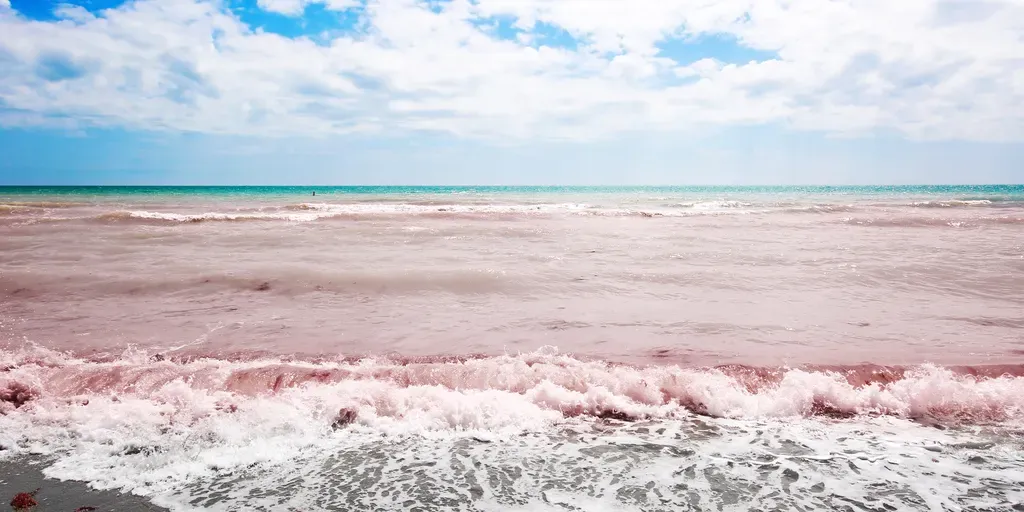
Toxic red tide detected along Texas coastline — here’s how it can affect your health
GALVESTON, Tex. - A red tide bloom along the Texas coast is prompting warnings from officials as the toxic algae could cause respiratory problems for beachgoers. Red tide is a naturally occurring, higher-than-normal concentration of microscopic algae that can affect fish and cause respiratory irritation to humans, according to Texas Parks and Wildlife. HURRICANE SWELLS REVEAL FORGOTTEN HISTORY BENEATH ICONIC CALIFORNIA BEACH red tide beach in florida (TriggerPhoto / Getty Images)The department said staff have been monitoring fish kills and taking water samples from Crystal Beach and Bolivar Penninsula south to the north jetty at Boliver Roads. Additional areas being monitored include southern Galveston Island from the south jetty for about 12 miles, including the Steward Beach and Pleasure Island Pier, according to Texas Parks and Wildlife. WHAT VIRUSES MAKE UP A RED TIDE BLOOM? Biologists with the department started receiving reports of a red tide bloom off the Galveston coast on Sept. 8.
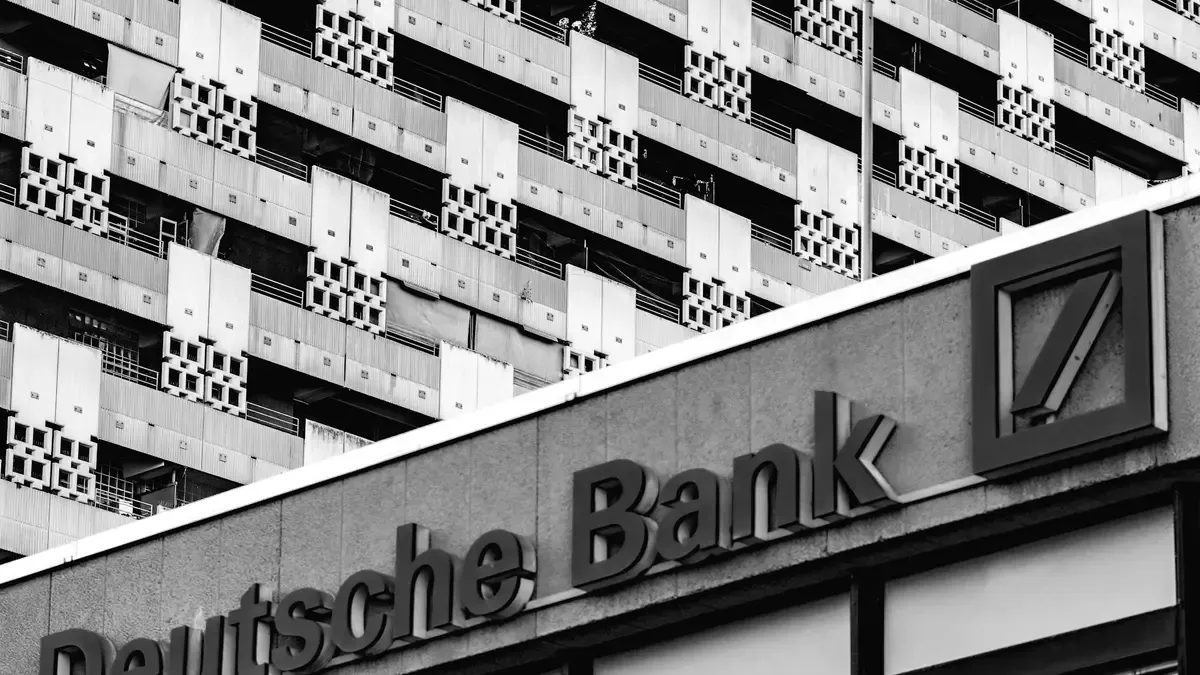
Deutsche Bank targets Asia crypto custody expansion in 2027 as German launch nears
The service will initially support bitcoin, ether and the stablecoins USDC, EURC and EURAU, with the bank managing clients’ wallets and private keys.
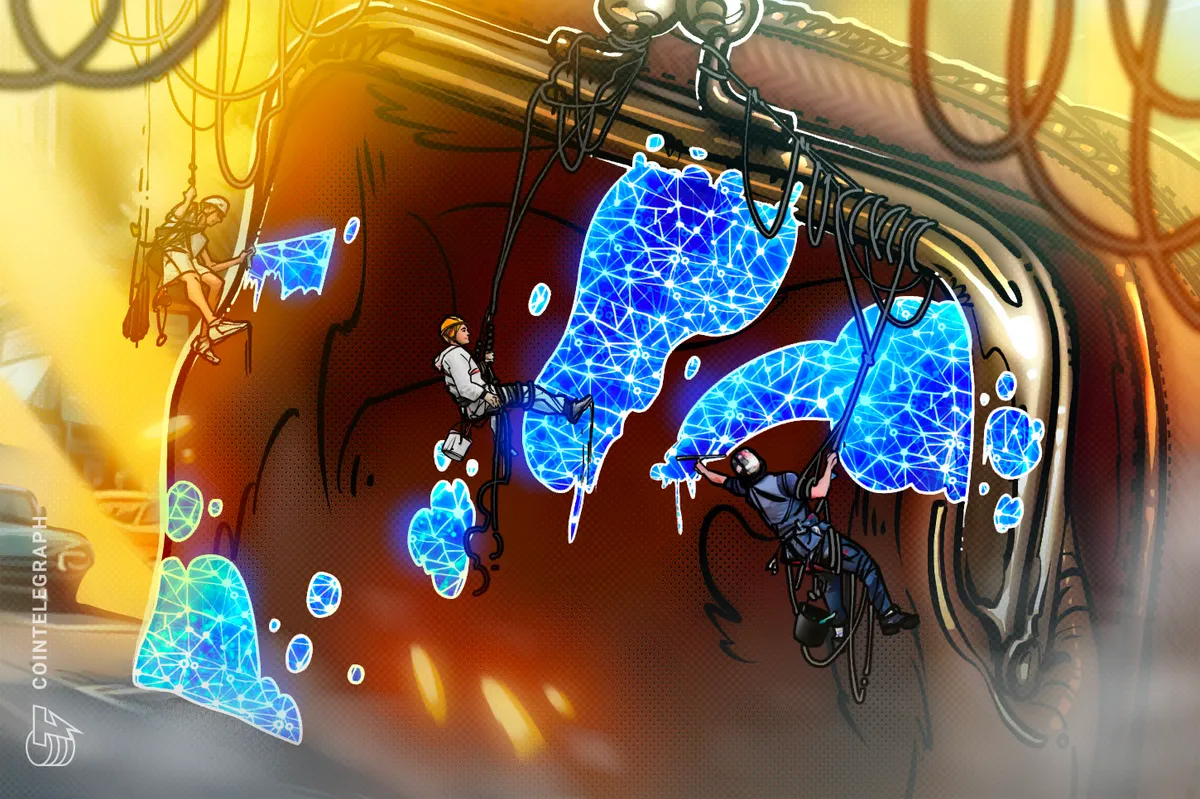
Qubic freezes chain after attacker drains 1.4K wallets with weak seeds
Layer-1 blockchain network Qubic halted operations Sunday after an attacker reportedly exploited weakly generated wallet seeds to drain approximately $1.4 million from more than 1,400 accounts, according to the project. In a statement on X, Qubic said the network was halted at tick 85,371,949, where it remains paused at the time of writing. Qubic said the vulnerability affected wallet seeds generated using any browser on an iPhone or iPad, Safari on a Mac until Oct. 18, 2026, or the Qubic iOS app before July 2025, leading to 2.94 trillion Qubit (QU) stolen. “87.1% of the drained funds never left the Qubic network and remain frozen in place,” said Qubic. “The remaining 12.9% was sent to MEXC, whose team froze the receiving account within about an hour.” The Qubic theft is the latest in a series of attacks tied to weak wallet seeds. In July, Coldcard disclosed that attackers had stolen funds from wallets whose seeds were weakened by a firmware bug. Similar flaws affected Trust Wallet’s browser extension and the Libbitcoin Explorer tool in 2023.

Canada needs more permanent solutions to its housing problem
Recent tax rebates have brought buyers back to the market, but their expiry threatens to undo that progress
0 comments
No comments yet. Be the first to share your thoughts!