True story of ‘Nouvelle Vague’: How does it recreate the making of Godard’s ‘Breathless’? - Lifestyle Asia Hong Kong
This story deserves to be shared
Send it to someone who'd care, or post it on your networks.
This article is an excerpt. To read the full content, visit the original source. Lifestyle Asia Hong Kong
Related articles
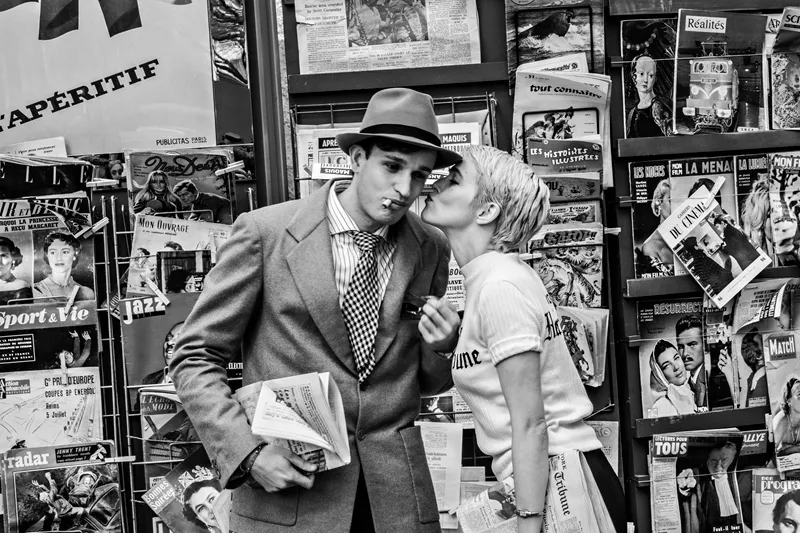
Richard Linklater’s delightfully delirious ode to Godard and French New Wave cinema, “Nouvelle Vague,” is now available on Blu-ray from Via Vision Entertainment. - Elements of Madness
I’m a lifelong cinephile, but I’m not ashamed to admit that I had never gotten around to watching a film by Jean-Luc Godard. The French-Swiss filmmaker, well-known as one of the pioneers of the French New Wave film movement of the 1960s, has been on my watch list for a long time, but another filmmaker gave me the nudge I needed to finally sit down and watch my first Godard film. I was so intrigued by Richard Linklater’s (Before Sunset; A Scanner Darkly) Nouvelle Vague (2025), which follows Godard as he shoots his first feature film, Breathless (1960), that I watched it immediately after Linklater’s film, and I loved it. It’s impressive that Nouvelle Vague is reportedly historically accurate to the real-life anarchic production of Breathless and it’s uncanny how closely the actors in Linklater’s film resemble the actors in Godard’s film. Featuring clever writing and an incredible cast, Nouvelle Vague delightfully captures Godard’s rebellious, often unpredictable, directing style, which is endlessly fascinating to watch. Guillaume Marbeck as Jean Luc Godard in NOUVELLE VAGUE. Photo courtesy of Netflix. 2025 © All Rights Reserved / Visa d’exploitation n 161532 Dépôt Légal 2025.
UK startup snares $20m to recreate gigs with ‘hyper-realistic’ digital avatars - The Guardian
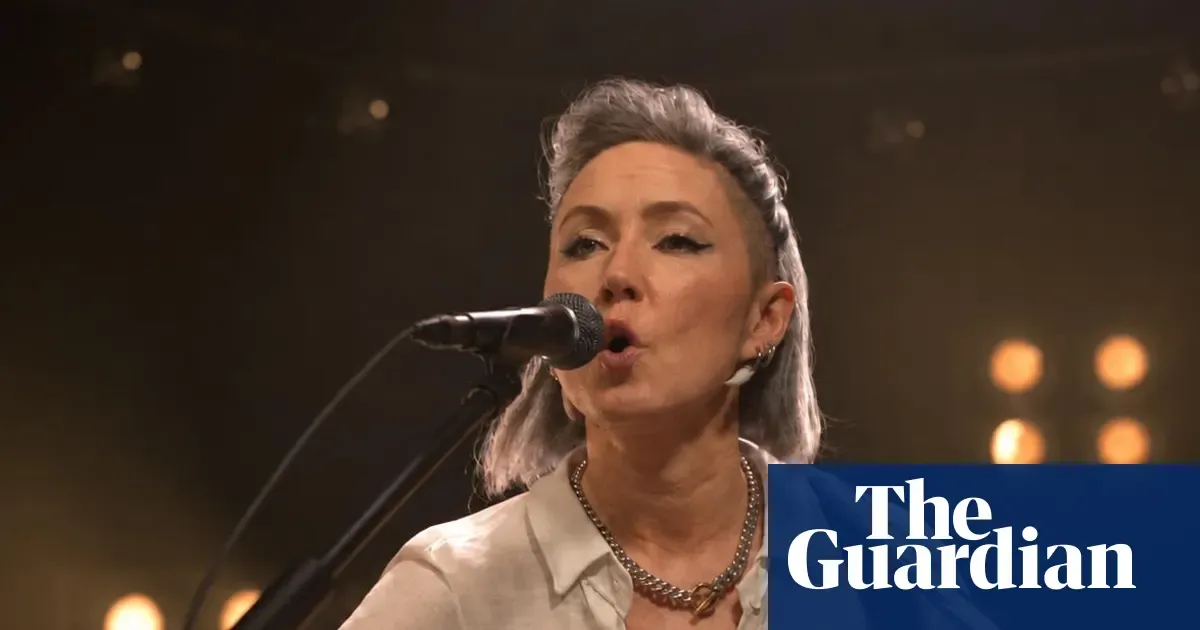
The former chief executive of Andrew Lloyd Webber’s entertainment group has obtained a near-£15m investment for his UK music tech startup that hopes to recreate classic concerts by manifesting musicians as digital avatars. Unit1 was set up last year by Barney Wragg, an entertainment executive who ran Lord Lloyd-Webber’s Cats-to-Evita empire for five years from late 2011. It has secured the $20m in funding from a group of investors, including tech backer Balderton Capital through its partner Daniel Waterhouse, who made early investments in Spotify. The company hopes to stage concerts fronted by the “hyper realistic” digital avatars of living artists who are no longer touring and by recreating existing performances from dead musicians. In the latter case, it will develop the avatars through a mixture of archive footage and hiring actors and musicians who either look or play like the departed star, before blending the footage together. Barney Wragg, the founder of Unit1, ran Andrew Lloyd Webber’s empire for five years. Photograph: Unit1Unit1 has tested the technology with Scottish singer-songwriter and musician KT Tunstall, who worked with Wragg during a stint at the music company EMI
0 comments
No comments yet. Be the first to share your thoughts!