Traction force and mechanosensitivity mediate species-specific implantation patterns in human and mouse embryos - Science | AAAS
This story deserves to be shared
Send it to someone who'd care, or post it on your networks.
This article is an excerpt. To read the full content, visit the original source. Science | AAAS
Related articles

Experiment shows when quantum 'cat' states stop bouncing back - Phys.org
Progressive transition from reversible to irreversible decoherence. Credit: Physical Review Letters (2026). DOI: 10.1103/t2yx-9bqh Quantum systems can occupy superpositions, quantum states that combine different possibilities. For instance, a microwave field can be prepared in a superposition of an empty state and a state that contains microwave light.
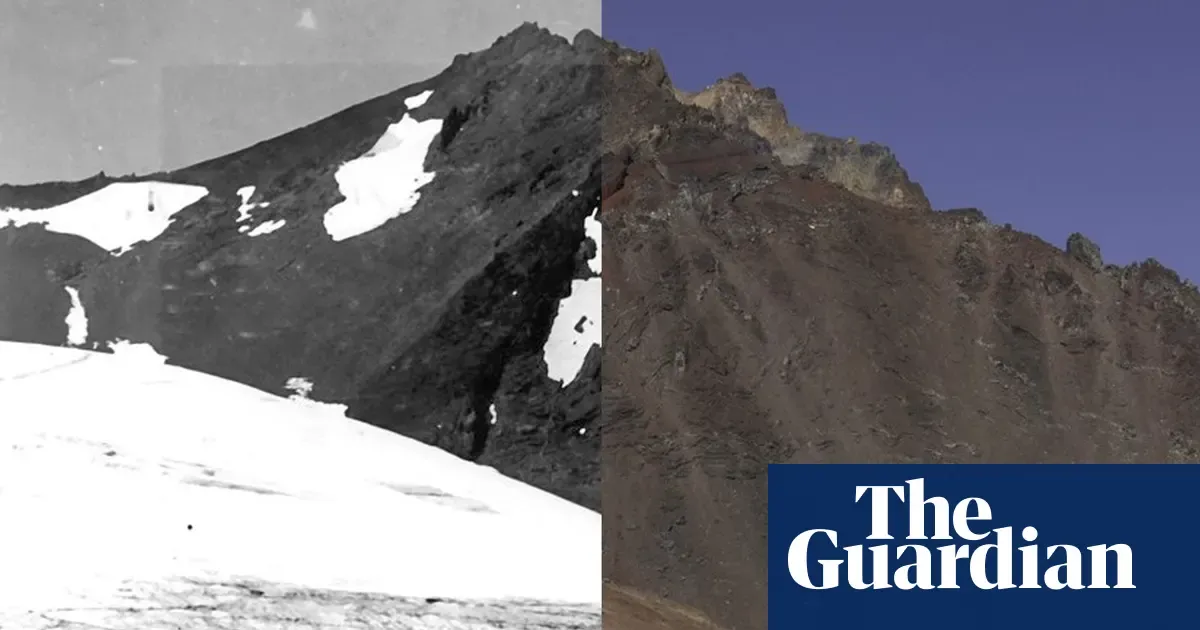
The US west has lost nearly 300 glaciers since the 1960s. Climate crisis is drastically shrinking what’s left - The Guardian
Across the US west, rising temperatures are causing glaciers to retreat to the point of vanishing. About 300 glaciers have disappeared since the 1960s, with almost all of the rest set to drastically shrink as the climate crisis continues to escalate, a new study has found. At the midpoint of the last century more than 1,450 glaciers – large tongues of ice, snow and rock that move under their own weight and gravity – were threaded throughout the mountains of the American west, providing cool water for ecosystems and agriculture as they gradually melted. Some, in the Sierra Nevada of California, were formed a few thousand years ago while others, such as those in the Pacific north-west, are remnants from even further back in the last ice age, which ended about 11,700 years ago. The long stories of these perennial masses of ice are coming to a rapid end, however, due to global heating caused by the burning of fossil fuels. The total area of glaciers in the US west has shrunk by a third since the 1960s, the new research found, with evidence this loss is speeding up as temperatures continue to rise.
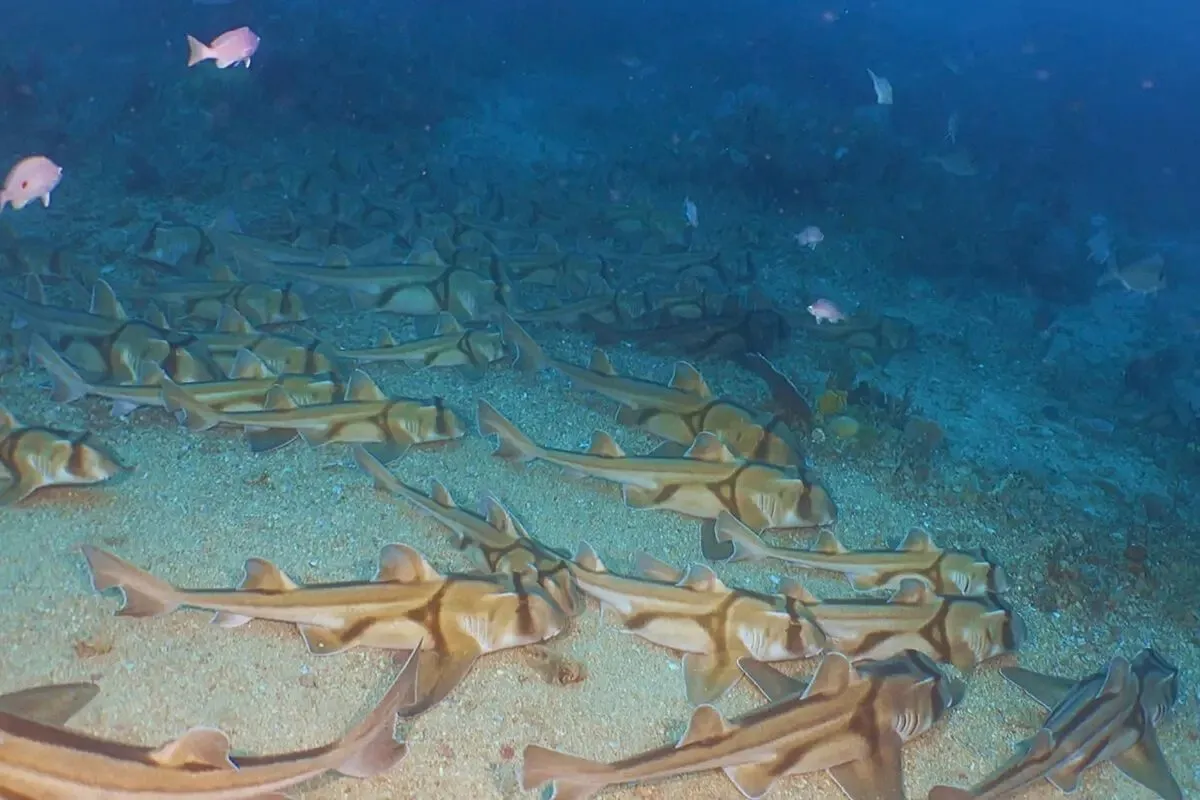
Underwater robot stumbles across thousands of sharks all packed together and asleep on the seabed – stunning scientists - BBC Wildlife Magazine
Researchers on an expedition to Beagle Marine Park, Australia, stumbled across a blanket of thousands of sleepy Port Jackson sharks snoozing on the seabed. Back in 29024 scientists from the University of Tasmania Institute for Marine and Antarctic Studies (IMAS) captured stunning footage of the dozing sharks from an underwater robot that had been deployed from the South Australian Research and Development Institute (SARDI) research vessel MRV Ngerin.

U.S. study finds human expertise remains key to orchard automation - FreshPlaza
Researchers at the University of California, Davis, found that agricultural automation continues to depend on human knowledge, even as AI-enabled and autonomous machinery changes how orchard work is carried out. The three-year study examined 16 fruit tree operations in California and Washington, drawing on 165 interviews with growers and workers. Published in New Technology, Work and Employment, the research focused on the "last mile" of automation, examining how robotic and AI-enabled tools perform under changing field conditions. "Automation isn't something that just happens to a farm or happens to a labor force," said lead author M. Anne Visser, professor of community and regional development at UC Davis. "People have to actively make it happen. " © UC Davis Researchers found that automation requires adaptation to individual orchards, often relying on workers' knowledge of field conditions, crop characteristics, and weather patterns. One example involved automated cameras used to count buds and fruit for yield forecasting. The technology tended to overestimate yields, requiring adjustments based on historical field performance.
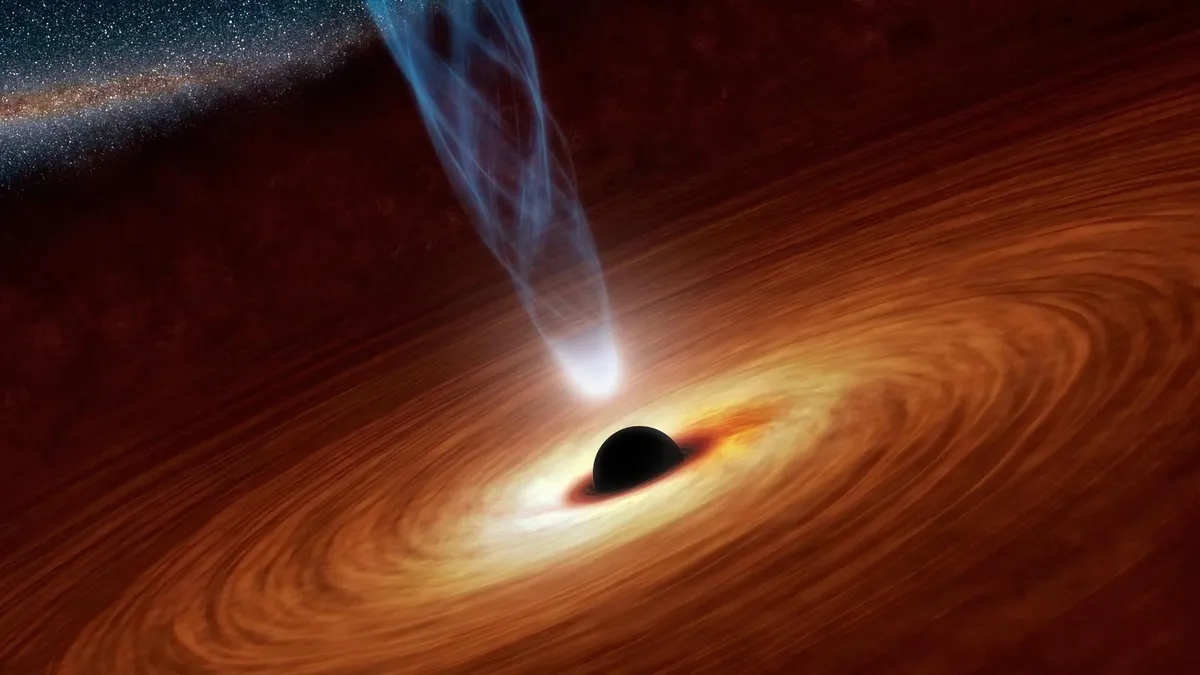
'Stupendously large black holes' aren't a major component of dark matter, study finds - Space
We still don't know what dark matter is.
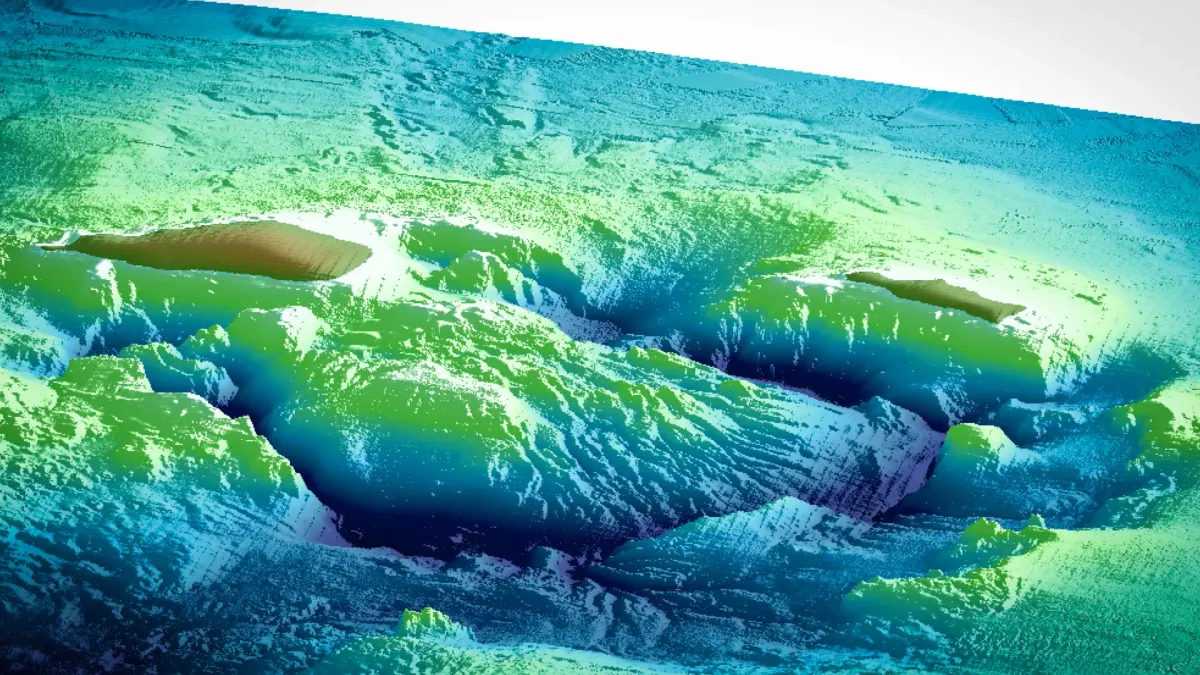
One of Earth’s most powerful supervolcanoes is refilling with fresh magma - Science Daily
One of Earth's most powerful supervolcanoes is slowly refilling its enormous underground magma reservoir, thousands of years after producing one of the largest volcanic eruptions in recent geological history. Scientists at Kobe University have discovered evidence that fresh magma is accumulating beneath Japan's Kikai caldera, which unleashed a catastrophic eruption about 7,300 years ago. The discovery offers a rare look at how giant volcanic systems rebuild their magma supplies after massive eruptions. It could also provide important clues about the behavior of other supervolcanoes, including Yellowstone in the United States and Toba in Indonesia, potentially helping scientists improve their ability to recognize warning signs of future eruptions.
0 comments
No comments yet. Be the first to share your thoughts!