Total transparency? Absorbing ‘Everything’ documentary duels over the truth.
This story deserves to be shared
Send it to someone who'd care, or post it on your networks.
Write to us at startingpoint@globe.com. To subscribe, sign up here. TODAY’S STARTING POINTElizabeth Holmes, founder and CEO of Theranos, speaks in 2015. AP/Associated PressIt’s not every movie that opens to 2,000 sold-out shows its first weekend. On Friday, there was even a guy sitting in the aisle next to our seats. For three hours. So, should you see “You Can See Everything,” the film documenting disgraced Theranos chief Elizabeth Holmes’s psychological dance with comic, cringe-master, and truth-splicer Nathan Fielder? Like many who’ve seen the film, I have more questions than answers. But I’ll try to give you some straight takeaways.1. Can it be interesting for three hours? Strangely, yes. I did wonder what could possibly happen after Fielder’s experiment living with Holmes and her partner Billy Evans ended with her reporting to a federal prison in Texas. But readers, things actually picked up.2. Did Fielder get more proof that Holmes knowingly misled investors with false claims about her product?
This article is an excerpt. To read the full content, visit the original source. The Boston Globe
Related articles
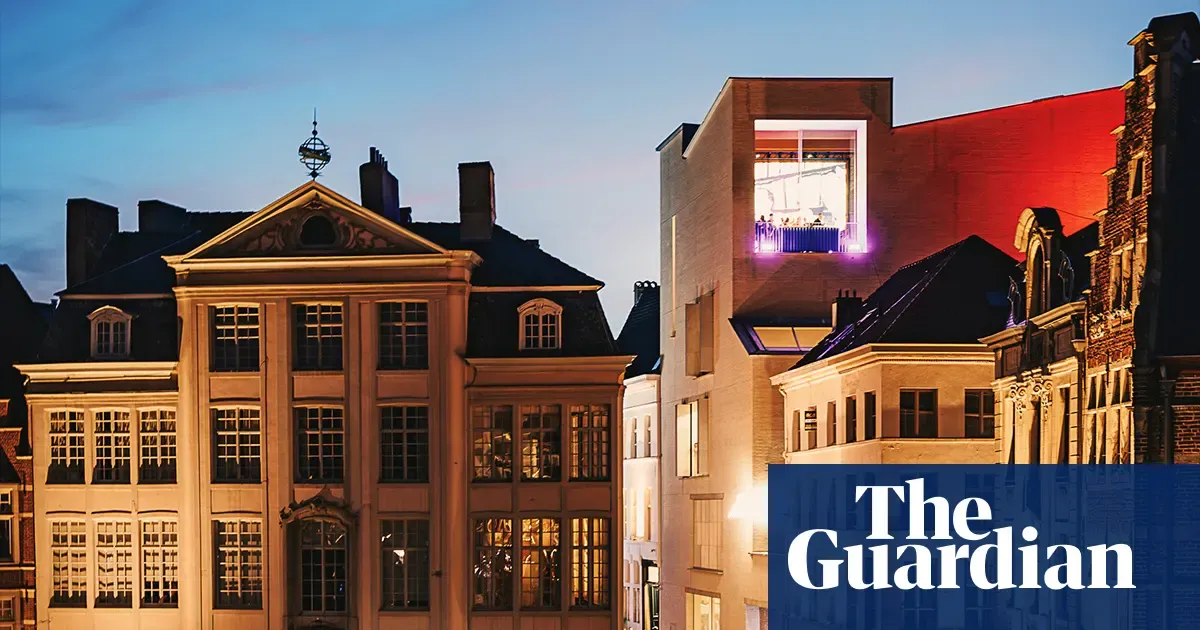
The CO2-absorbing building made of old sinks, windscreens and toilets: Ghent’s £17m design museum is a green marvel
Museums often try to reflect the world around them, but rarely are they made so literally of their surroundings as the new design museum in Ghent. Rising above the Belgian city’s medieval tiled rooftops like an angular white watchtower, the new building has vacuumed up the city’s condemned concrete frames, windows, car windscreens, sinks and old toilets, and transformed them, phoenix-like, into a gleaming monument to recycling. “There’s nothing new about reuse,” says Andy Groarke, co-founder of Carmody Groarke, the London-based architects who designed the €20m (£17m) project with local firms Atama and Re-st. “We’ve just forgotten how to do it.”He says the team drew inspiration from Ghent’s 16th-century gothic cathedral, Saint Bavo’s, which was partly built using the white limestone blocks of the 10th-century romanesque basilica that had stood on the same site (recent renovations also ghoulishly uncovered walls made of human bones, femurs and tibias apparently having particularly useful structural properties, with crushed skulls for infill). Earthy layers of rubble … Design Museum Ghent.
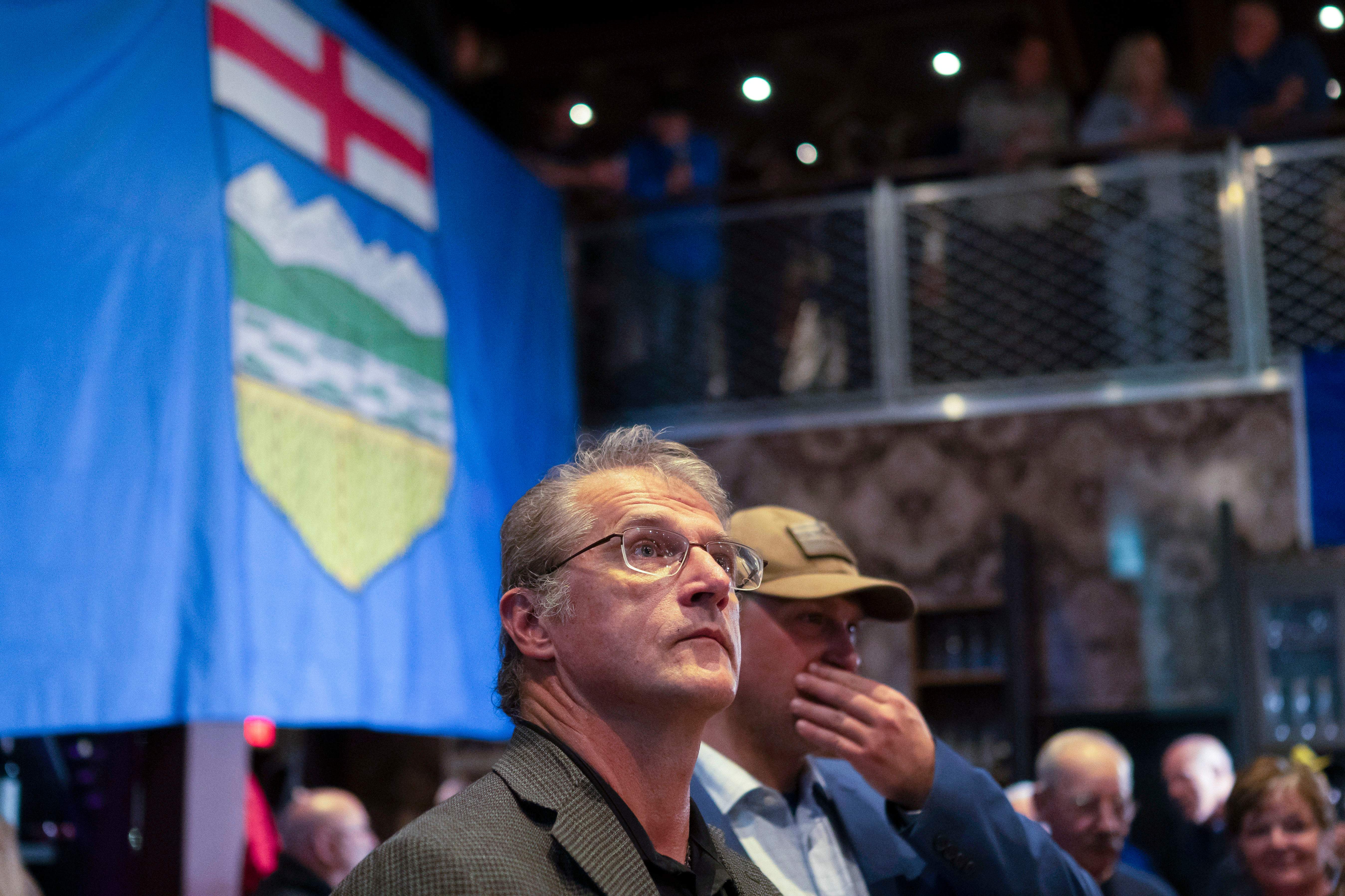
After decisive defeat, Alberta separatists turn their attention to Smith and the UCP
Separatist leader Jeffrey Rath says they’ve built a movement of thousands of committed volunteers and will try to “take ownership” of Alberta’s governing party.

Philadelphia’s Settlement Music School goes national with its arts preschool
Settlement’s preschool program, Kaleidoscope, is “unparalleled” for integrating arts into early childhood development. It’s now available online.
Man seriously injured in shooting near Sherbourne and Wellesley; 1 suspect outstanding
A man suffered serious injuries in a shooting near downtown Toronto early Tuesday morning, while one suspect remains at large, according to police. Police said the shooting occurred in the area of…
0 comments
No comments yet. Be the first to share your thoughts!