Tomorrow's Weather Calgary (Mar 12): Snow Showers, Chilly Temps - The Weather Network
This story deserves to be shared
Send it to someone who'd care, or post it on your networks.
This article is an excerpt. To read the full content, visit the original source. The Weather Network
Related articles

Alberta’s fall outlook holds mild weather with chilly interruptions
Fall is a season of transition and Alberta often takes a front-row seat to the swinging pendulum of autumn weather. The season ahead looks to buy some breathing room for folks throughout the province after a stormy summer left operations running behind. RELATED: Canada's 2026 fall forecastHiccups in the pattern are guaranteed during this season of change. A patient, changeable autumn in store for AlbertaWarmer and drier weather should provide a longer runway for delayed harvest operations after the relentless storms and heavy rain Alberta experienced during the summer months. El Niño will remain a significant driver of our autumn ahead, with mild Pacific air occasionally flowing across the Rockies. While it’s unlikely that wintry weather will lock in early across the region, early tastes of winter are still possible. This is Alberta, after all, where the average first snowfall arrives around Sept. 27 in Calgary and Oct. 1 in Edmonton. Content continues belowDON'T MISS: Meteor shower season is about to begin! But repeated spells of mild weather should follow chilly interruptions expected to bring early winter-like weather, during which we may see periods of snow or hard freezes.
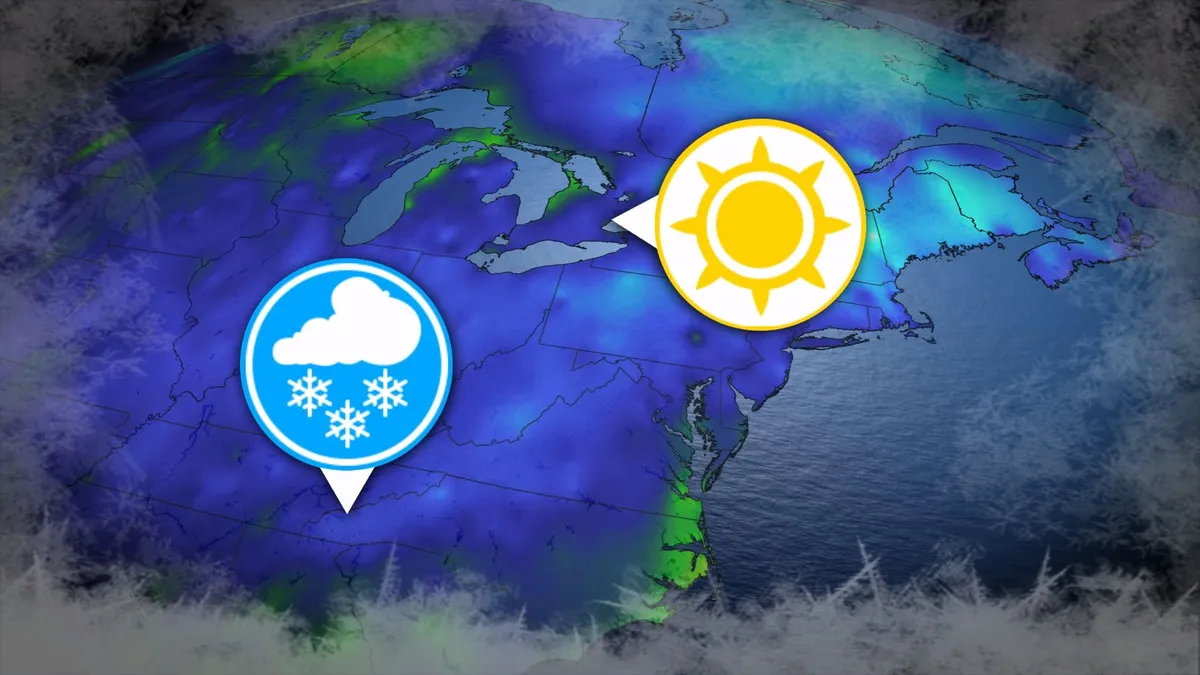
Where’s the frost? Southern U.S. hits freezing before Toronto, Montreal
Toronto and Montreal have remained above the freezing mark every day for almost six months. While frosts and even some snowflakes have intruded across parts of Ontario and Quebec in recent weeks, the two cities have yet to reach that magic number. What’s even more remarkable is that a handful of communities across the southern United States have already dipped to the freezing point--and some have even seen accumulating snowfall. DON’T MISS: Official: Canada records first -30°C reading of the seasonThe last time we saw a freezing temperature in either Toronto or Montreal was the second-to-last week of April. Toronto hit -1.3°C early on April 20, while Montreal dipped to -2.0°C the following morning. Our average first frost in both cities occurs right around the middle of October. But warmer-than-normal years can see this milestone slide several weeks past due. Montreal once had to wait 207 consecutive days for its first frost, with the city’s first subfreezing temperature in 2017 waiting until Nov. 7. The latest Toronto’s had to wait to hit the zero-degree mark was Nov. 13, 2022.
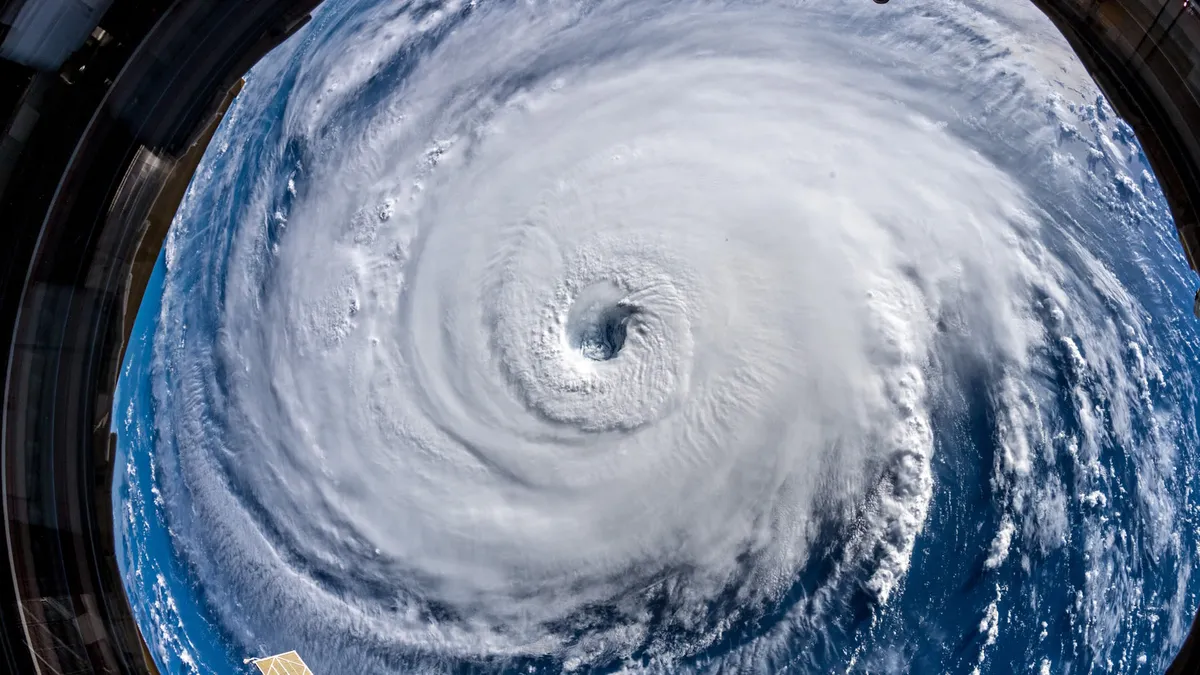
345 km/h: Meet the world’s strongest tropical cyclones
Tropical cyclones top the list of nature’s most powerful storms. Larger than tornadoes and more intense than any single thunderstorm, these systems can change the landscape when they swirl ashore. A handful of tropical cyclones take full advantage of their surroundings to achieve the apex of their potential, the strongest storms nature can produce. DON’T MISS: What’s the difference between hurricanes, typhoons, and cyclones? Tiny fraction of storms achieve upper limitsOnly about 4 per cent of all the world’s recorded tropical cyclones have reached the equivalent of Category 5 strength. Most tropical cyclones are relatively weak and short lived because it’s tough for all the necessary ingredients to align just right. But explosive development can result when all those factors come together in perfect harmony. Strongest Winds: Hurricane PatriciaAn exceptionally favourable setup off the western shores of Mexico in late-Oct. 2015 allowed Hurricane Patricia to grow into the world’s strongest hurricane since reliable observations began in 1966.
0 comments
No comments yet. Be the first to share your thoughts!