Tick tip: The best way to prevent Lyme disease is to prevent tick bites - Fraser Health
This story deserves to be shared
Send it to someone who'd care, or post it on your networks.
This article is an excerpt. To read the full content, visit the original source. Fraser Health
Related articles
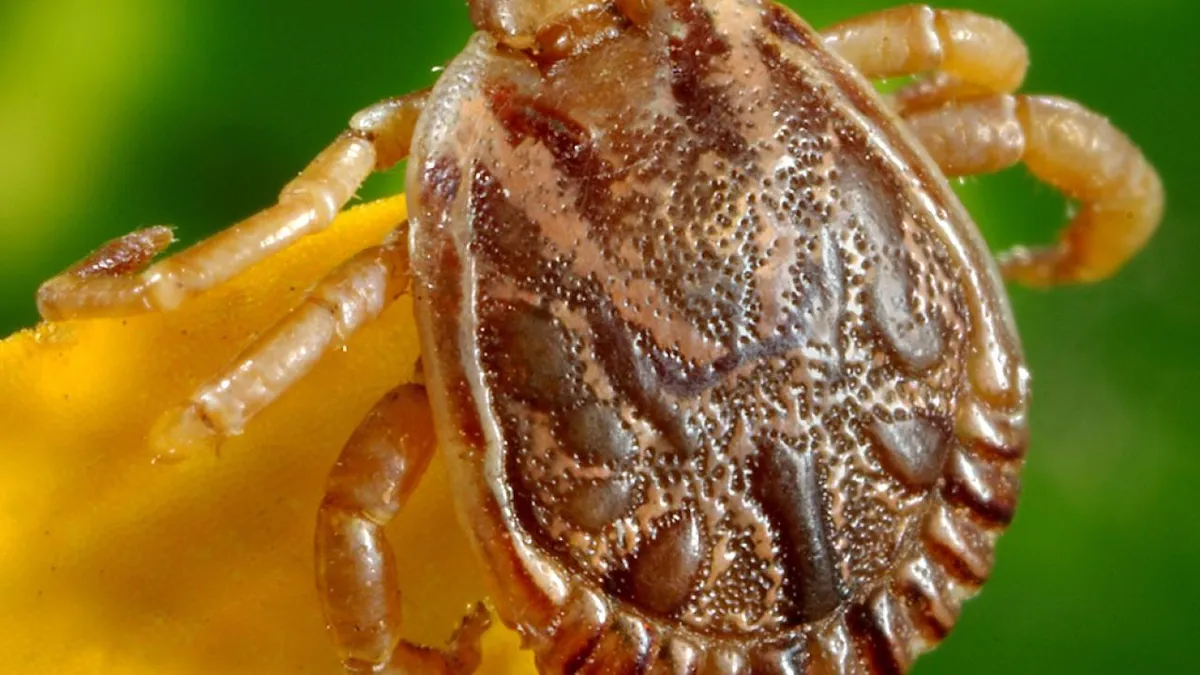
Tick talk: What you need to know about ticks & Lyme disease - Doctors of BC
With the warmer summer months comes an increase in the number of ticks, including those that carry the most common tick-borne disease, Lyme disease. Transmitted through a tick bite, the disease can cause symptoms such as rash, fevers, chills, fatigue, body aches, headache, neck stiffness and swollen lymph nodes. And if left untreated, Lyme disease can lead to more serious health issues such as paralysis and heart and neurological disorders. Ticks are small, spider-like bugs most commonly found in long grasses and on bushes and trees, but they can also be found in urban settings. In the last decade the number of reported cases of Lyme disease has increased dramatically, 144 cases in 2005 to 2,025 cases in 2017; however the Canadian Lyme Disease Research Network believes the number of actual cases to be much higher.
Tick Talk with Dr. Jonathan Ross - Nova Scotia Health
As Nova Scotians enjoy the outdoors this summer, the awareness of ticks is looming larger as we hike, garden and explore our beautiful natural environments. The rising tick population in Nova Scotia has led to increased risk and cases of tick-borne illnesses. Dr. Jonathan Ross, associate regional medical officer of health with Public Health, has spent much of this summer helping Nova Scotians better understand tick-borne illnesses, including how to prevent bites, recognize symptoms and know when to seek care. Dr. Ross has answered some common questions about ticks in Nova Scotia to help us protect ourselves while enjoying our time outside. How concerned should Nova Scotians be about ticks? The black-legged tick is the primary tick responsible for tick-borne disease transmission in Nova Scotia. These ticks are well-established and can be encountered anywhere in the province. People should continue to enjoy the outdoors, which brings many health benefits, but just be aware of ticks and know how to protect themselves. What diseases transmitted by ticks are most common in Nova Scotia? The most common disease transmitted by black-legged ticks in Nova Scotia is Lyme disease.
Is Bliss Bites CBD Gummies a scam? - www.santeestrie.qc.ca

Diagnostic test could help doctors refine prostate cancer treatment - Medical Xpress
Prostate cancer is the most common cancer in men—in 2013, it affected more than 1 million men across the world. The cancer does not behave the same way in every patient, and doctors have long faced a difficult balancing act between identifying patients who will benefit from more intensive treatment and those who may do just as well without it. Treating someone more aggressively than necessary is associated with increased side effects and poorer quality of life. At a major cancer conference in Madrid, a team from University College London unveiled the latest findings from their STAMPEDE clinical trial, which has shown that adding the hormone therapy abiraterone to the standard treatment for men with high-risk, localized prostate cancer could halve the risk of death from the disease and slow overall progression.
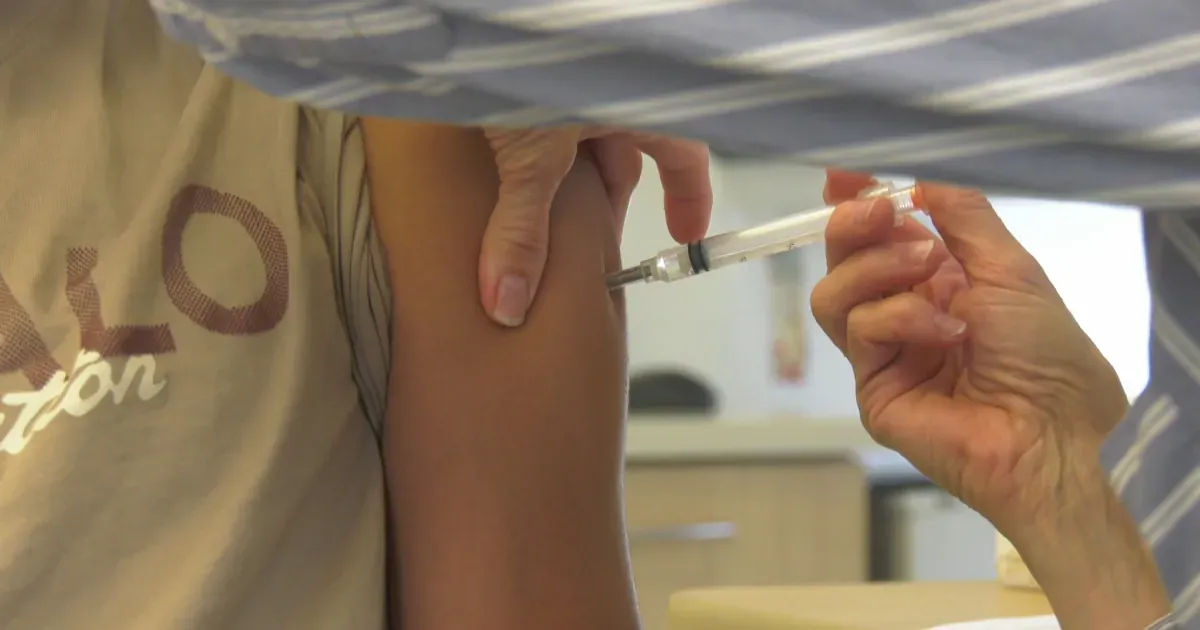
Winnipeggers roll up their sleeves for respiratory virus season - CTV News
AtlanticNova ScotiaNew BrunswickPrince Edward Island Newfoundland and LabradorCalgaryLethbridgeKitchenerGuelphNorthern OntarioSudburyNorth BaySault Ste. MarieTimminsOttawaKingstonBrockvillePembrokeReginaYorktonSaskatoonPrince AlbertTorontoWatchWeatherPeelHamiltonDurhamYorkHaltonNiagaraQueen's ParkToronto City HallIn PicturesVancouverVancouver IslandCanadaLocal SpotlightRoyal FamilyPoliticsNanosPower PlayQuestion PeriodFederal Election 2025WorldMideast ConflictRussia-Ukraine WarWatchLatestCaptured on CameraPoliticsLifestyleConsumerHealthExplainedEntertainmentTechnologyDeception DecodedAutosEnvironmentBusinessInflationReal EstateAutos
0 comments
No comments yet. Be the first to share your thoughts!