Tick Bite Prevention Week: 5 Unforgiving Facts About Ticks - The Weather Network
This story deserves to be shared
Send it to someone who'd care, or post it on your networks.
This article is an excerpt. To read the full content, visit the original source. The Weather Network
Related articles

Leaf piles can hide ticks: What to know before you rake
Leaf piles are a fall favorite, but ticks love them tooNothing screams fall like jumping into a big pile of leaves, except for when you realize what’s hiding in there — a bunch of ticks. And not just any kind of tick, blacklegged ticks, also commonly known as deer ticks, which are the primary carriers of Lyme disease. A visualization of a blacklegged tick, also known as a deer tick, which can carry Lyme disease.(Lisa Pringle)If you’re anything like me, your skin is already crawling just thinking about it. But, don't worry, there are some easy things you can do to keep your yard, your family and your pets safe this fall. A perfect tick paradiseSo, why do deer ticks love leaf piles? There are two key factors that help the little buggers survive and thrive: shade and moisture. Get More of Our News on GoogleSet The Weather Company as a 'Preferred Source' to get quicker access to the news you value. Ticks are sensitive to sunlight and dehydration. They rely on humidity to stay hydrated by absorbing water from the air through their shell.(MORE: When you should bring houseplants inside for fall)So, open, sunny areas, like the center of your yard, will likely not have many ticks.
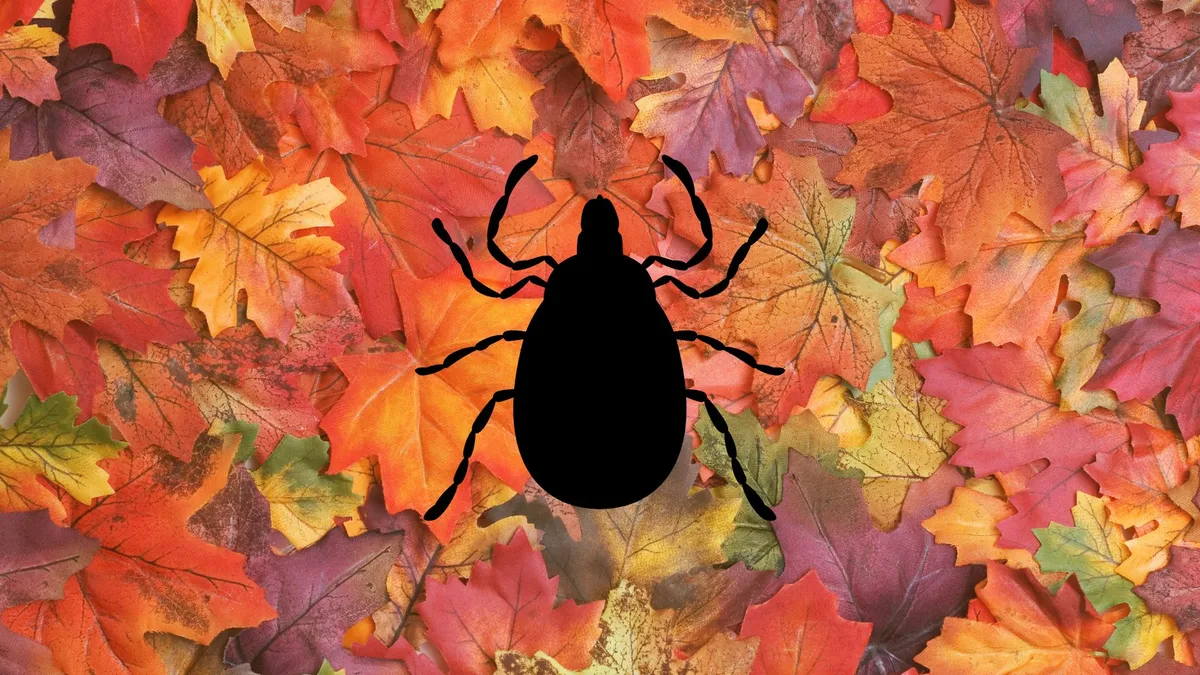
Friendly reminder: Ticks are still active in fall
The cooler weather associated with fall makes it a popular time for the perfect time for nature walks, school field trips, and hikes. And that means it's time for your annual reminder: Ticks are still active in the fall and, if the weather remains warm enough, even survive through the winter. You're most likely to encounter ticks in shrubs, near trees, tall grass, and piles of wood and leaves. Ticks are active any time the temperature is consistently above freezing, and there isn't any snow on the ground, reads a statement on the Government of Canada's website. Ticks and Lyme diseaseNot all ticks cause Lyme disease. There are several types of ticks found in Canada. Only black-legged ticks can transmit the bacteria Borrelia burgdorferi that causes the condition, and that's only if the tick is infected with the bacteria. Content continues belowLab studies show that black-legged ticks are active anytime above four degrees Celsius, Katie Clow, an assistant professor at Ontario Veterinary College, told The Weather Network in 2021. Black-legged ticks prefer wooded and brushy areas and places where humidity is higher. They're most active in humid conditions when temperatures are lower.
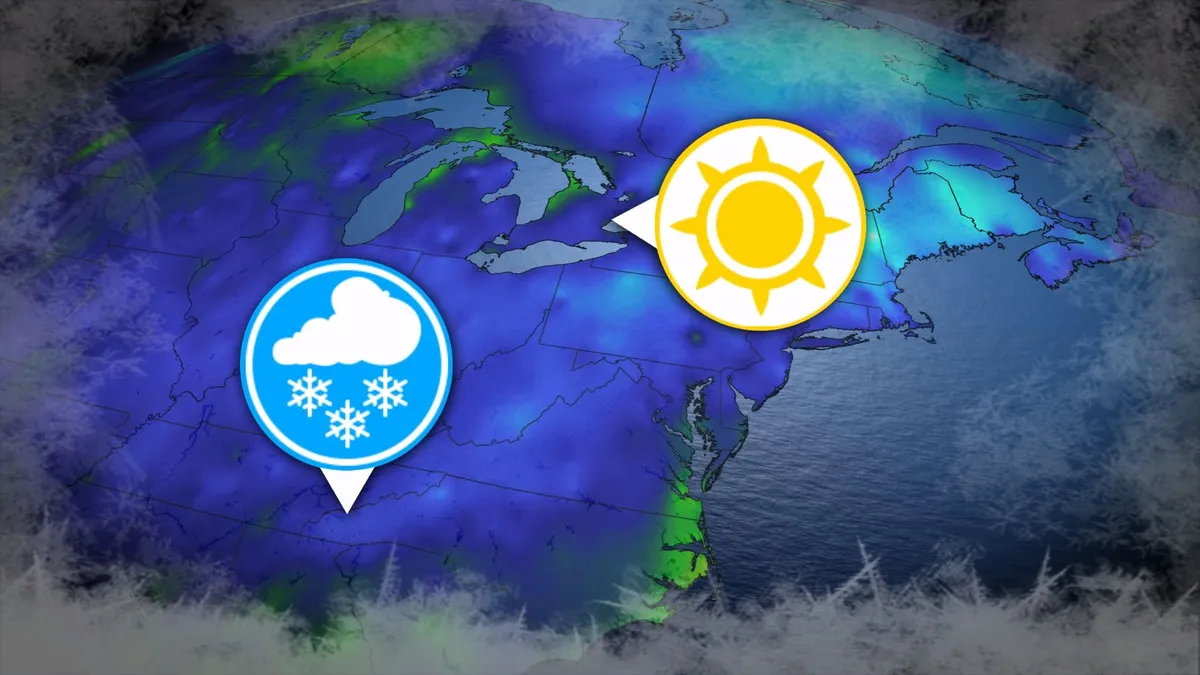
Where’s the frost? Southern U.S. hits freezing before Toronto, Montreal
Toronto and Montreal have remained above the freezing mark every day for almost six months. While frosts and even some snowflakes have intruded across parts of Ontario and Quebec in recent weeks, the two cities have yet to reach that magic number. What’s even more remarkable is that a handful of communities across the southern United States have already dipped to the freezing point--and some have even seen accumulating snowfall. DON’T MISS: Official: Canada records first -30°C reading of the seasonThe last time we saw a freezing temperature in either Toronto or Montreal was the second-to-last week of April. Toronto hit -1.3°C early on April 20, while Montreal dipped to -2.0°C the following morning. Our average first frost in both cities occurs right around the middle of October. But warmer-than-normal years can see this milestone slide several weeks past due. Montreal once had to wait 207 consecutive days for its first frost, with the city’s first subfreezing temperature in 2017 waiting until Nov. 7. The latest Toronto’s had to wait to hit the zero-degree mark was Nov. 13, 2022.
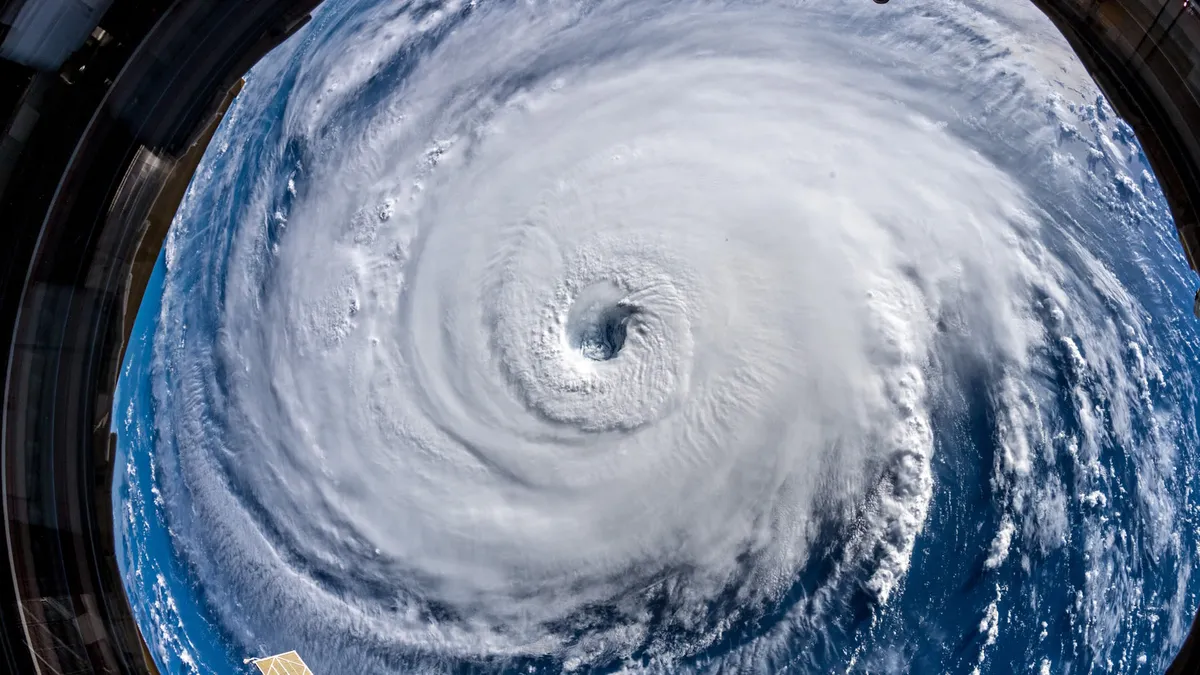
345 km/h: Meet the world’s strongest tropical cyclones
Tropical cyclones top the list of nature’s most powerful storms. Larger than tornadoes and more intense than any single thunderstorm, these systems can change the landscape when they swirl ashore. A handful of tropical cyclones take full advantage of their surroundings to achieve the apex of their potential, the strongest storms nature can produce. DON’T MISS: What’s the difference between hurricanes, typhoons, and cyclones? Tiny fraction of storms achieve upper limitsOnly about 4 per cent of all the world’s recorded tropical cyclones have reached the equivalent of Category 5 strength. Most tropical cyclones are relatively weak and short lived because it’s tough for all the necessary ingredients to align just right. But explosive development can result when all those factors come together in perfect harmony. Strongest Winds: Hurricane PatriciaAn exceptionally favourable setup off the western shores of Mexico in late-Oct. 2015 allowed Hurricane Patricia to grow into the world’s strongest hurricane since reliable observations began in 1966.
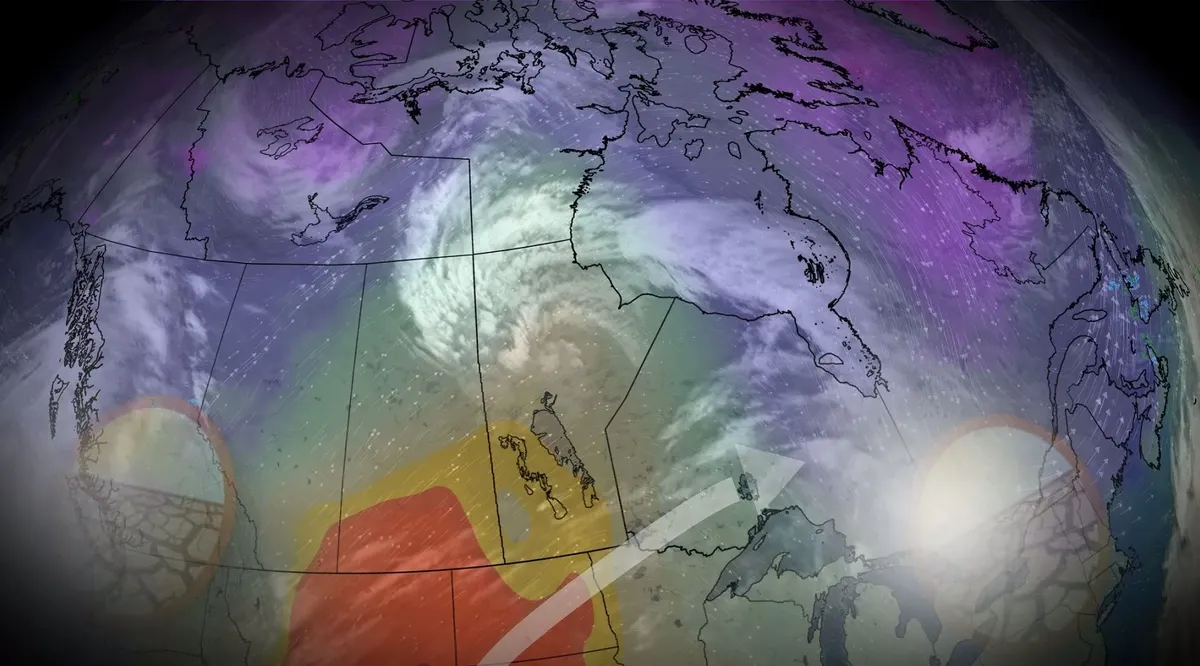
Canada, where did all the fall storms go?
While there have been some weather hiccups in October across Canada, one commonality is the lack of fall storms. The month has brought a very different flavour to parts of the country, compared to September's weather. October started with summer-like warmth in Ontario and Quebec, while the West endured some chilly temperatures. That pattern has since flipped. But there haven't been many of your typical fall storms this season, making for a super-dry pattern in many areas in Canada. Let’s dive into why the storms are absent so far. DON'T MISS: What does a classic fall storm look like in your part of Canada? What fuels fall storms? A split flow, in which the jet stream literally splits in two, will prove a prominent feature during the second half of October, promoting a less-consolidated jet stream that would otherwise impact the coast of British Columbia throughout autumn. Some of that energy is being redirected down toward California, a change that’s significantly affecting our weather patterns across Canada.
0 comments
No comments yet. Be the first to share your thoughts!