Three physicists receive Europhysics Prize for altermagnetism - UA.NEWS
This story deserves to be shared
Send it to someone who'd care, or post it on your networks.
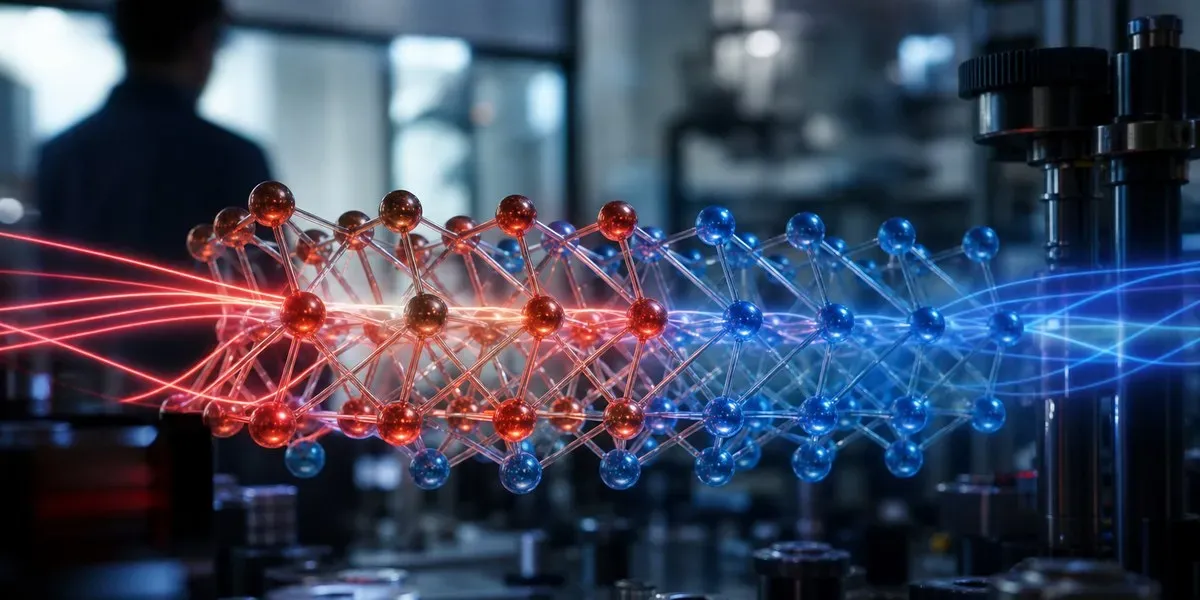
The European Physical Society has awarded the 2026 Europhysics Prize to Professor Jairo Sinova, Dr. Libor Šmejkal, and Professor Tomas Jungwirth for research into altermagnetism, a new type of collinear magnetic order. The prize, whose award ceremony was scheduled for September 2026 in Graz, Austria, was granted by the Condensed Matter Division of the European Physical Society, ScienceDaily reports. Established in 1975, the Europhysics Prize recognizes significant achievements in condensed matter physics. This year's award was granted for theoretical and experimental work that established altermagnetism as a distinct form of collinear magnetic order. The third category of collinear magnetismFor more than a century, collinear magnets have generally been divided into ferromagnets and antiferromagnets. In ferromagnets, magnetic moments produce a net magnetization, while in antiferromagnets, oppositely directed moments cancel each other out. Like antiferromagnets, altermagnets have no net magnetization. At the same time, their electrons can exhibit properties previously associated with ferromagnets.
This article is an excerpt. To read the full content, visit the original source. UA.NEWS
Related articles
Research Roadblocks: Genuine Scientific Innovation Often Arises From Serendipitous Discoveries - EIN Presswire
Broaden observation dimensions to unlock untapped research insights with flexible multiple factors protein detection solutions HUSTON, TX, UNITED STATES, October 19, 2026 /EINPresswire.com/ -- Many researchers across universities, affiliated hospitals and research institutes are grappling with a shared challenge: difficulty sourcing original research topics, generating novel ideas and publishing high-quality papers. Even well-resourced laboratories with sufficient funding, complete experimental platforms and solid team capacity frequently hit a bottleneck in exploratory work. This article unpacks the root causes behind this widespread research dilemma and introduces an enabling tool to help researchers capture unexpected, high-value experimental signals during early-stage exploration. Many researchers in universities, affiliated hospitals and research institutes have recently encountered a common predicament: research topic shortage. This “topic shortage” does not stem from insufficient research funding, lack of experimental platforms or understaffed research groups.
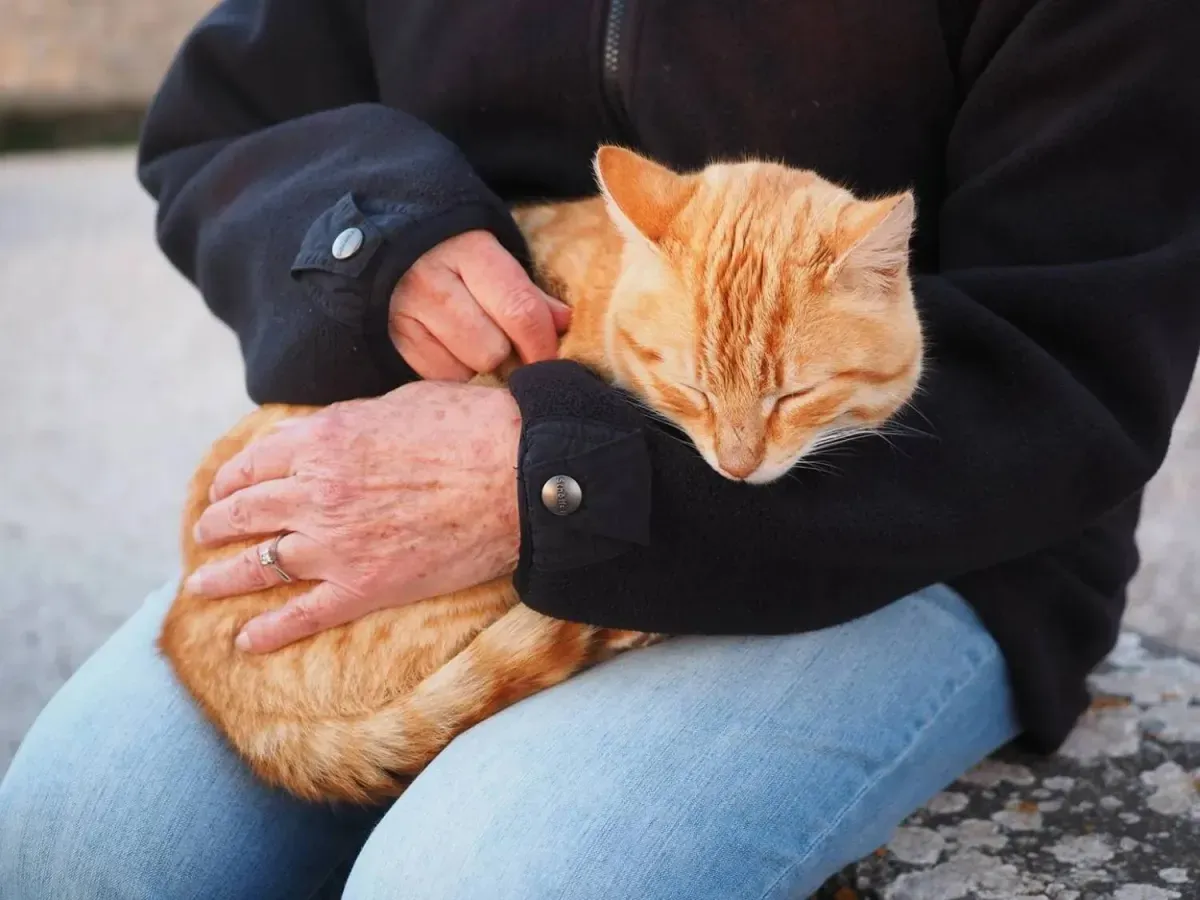
Spending More Time Close to Cats Improves Mood, Study Finds - ASHARQ AL-AWSAT English
Owners who spent more time physically close to their cats tended to report more positive moods, according to a new study by a Kyoto University-led team. The study, published in the journal iScience, came amid a common claim that caring for a feline friend has positive effects on human health and well-being while other studies reporting possible negative effects of cat ownership.
Flightless Jurassic bird reveals early diversity - Asia Research News |
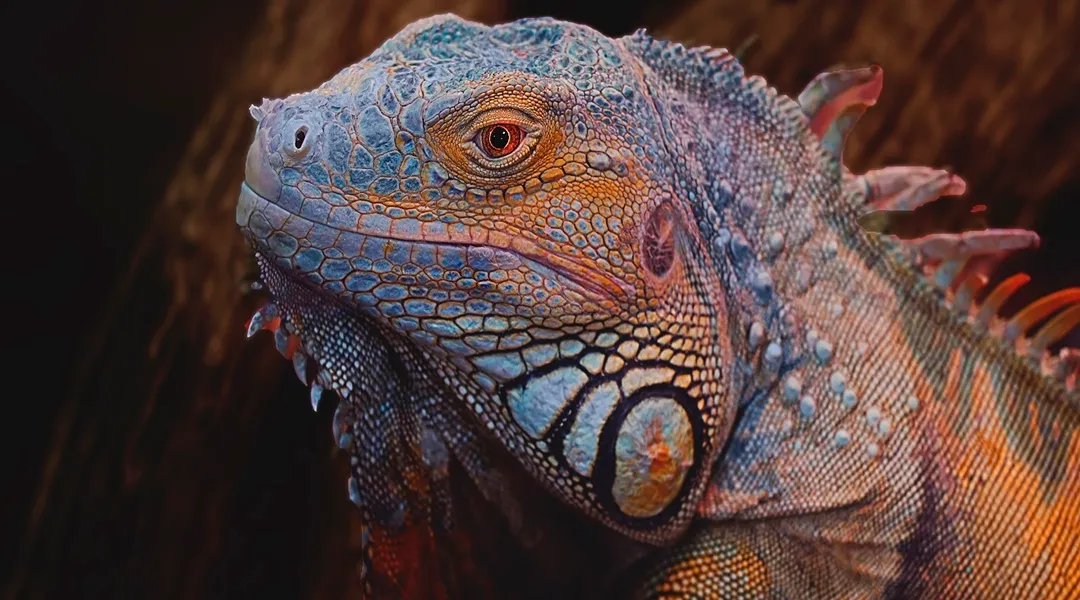
Weigeltisaurids: Earth’s first gliding vertebrates - Advanced Science News
More than 250 million years ago, weigeltisaurids became the first vertebrates to glide through the air, with a flight system unlike anything alive today. Long before birds, bats or even dinosaurs, a small reptile lineage became the first known vertebrates to glide through the air. Weigeltisaurids achieved flight using an unusual wing system built from entirely new bones anchored to the side of their abdomen, and new research shows these early fliers were capable, well-engineered gliders.
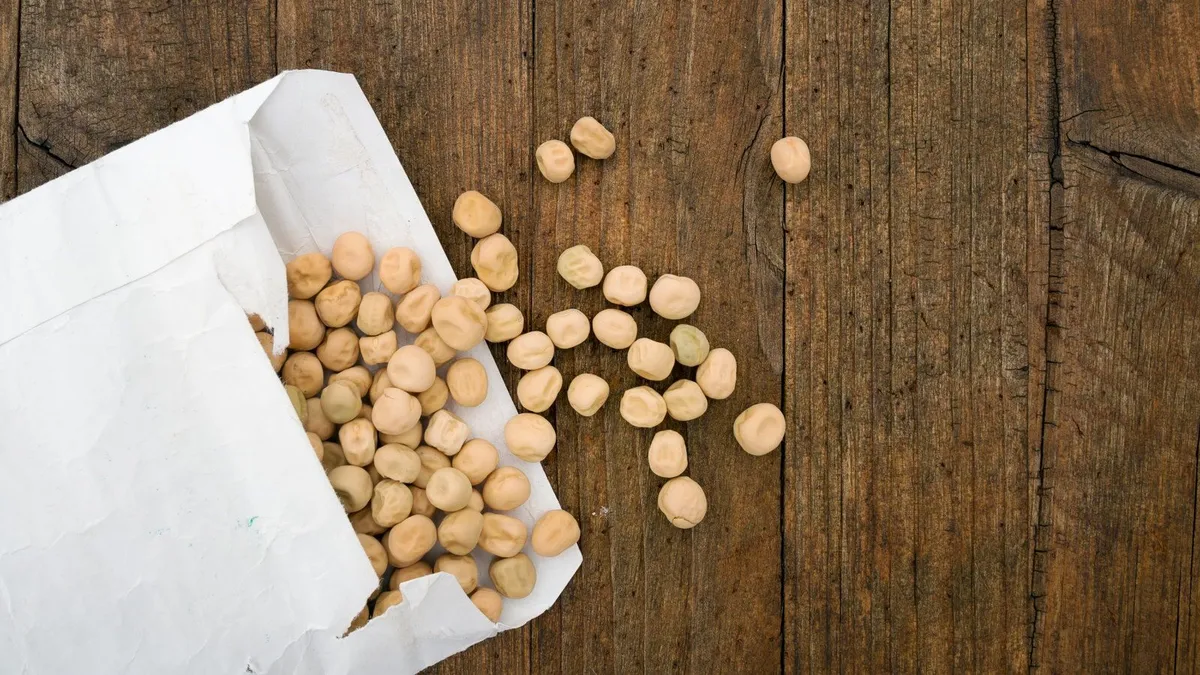
3 Vegetables You Can Save Seeds From in October to Grow Again Next Year - Homes and Gardens
A little patience now can fill next year’s vegetable beds with seeds from this season’s best growers
0 comments
No comments yet. Be the first to share your thoughts!