The rise of the deserving rich
This story deserves to be shared
Send it to someone who'd care, or post it on your networks.
Today’s billionaires are more likely than yesterday’s to have made their own money
This article is an excerpt. To read the full content, visit the original source. The Economist
Related articles

The flip side of leadership is the little-studied aspect of followership
Interested in more careers-related content? Check out our new weekly Work Life newsletter. Sent every Monday afternoon. Open this photo in gallery:erhui1979/iStockPhoto / Getty ImagesStudies of leadership tend to ignore followership. Yet without followership, there would be no leadership. We learn to follow as youngsters, in the family and in school. Later comes organizational leaders and managers and political figures. Somewhere in there, we are taught about following the law. To follow is human nature, academic Barbara Kellerman observes: “Submission is the human condition.” We often follow because there are rewards for following as well as punishments for not following. Sometimes those are apparent, sometimes not. But she notes we can also follow out of inertia. “We follow over, and then over again, simply because not following seems more trouble than it’s worth. Notably, this applies even when we think our leaders are bad – ineffective, unethical or both,” the founding executive director of the Center for Public Leadership at the Harvard Kennedy School writes in Why We Follow Leaders – and Why We Don’t.

Should companies consider video game skills when deciding who to hire or promote?
Interested in more careers-related content? Check out our new weekly Work Life newsletter. Sent every Monday afternoon. Marc Cenedella’s career has been shaped in part by his love of video games. “I played Space Invaders and Centipede and Mission Control and my first job at Yale as an undergraduate was running computers for the Yale School of Music,” says Mr. Cenedella, now 56. He says his first jobs after university all involved understanding how to take real-world information and put it into computers. “When they started to have connected gaming and we were all collaborating virtually with our squad, well that’s just remote work.” From early computer programming to remote collaboration to virtual and augmented reality and now artificial intelligence, Mr. Cenedella says games have been instrumental in familiarizing young people with the tools that will become vital to their future careers. Now, as the founder and chief executive officer of Ladders, a New York-based job platform for six-figure jobs, Mr. Cenedella is encouraging employers to take gaming skills and accolades as a serious indicator of candidate potential.

Colleges raced to build massive computer-science departments. Now the boom is turning to bust.
“Computer science isn’t the ticket to the American dream like people thought it was.”

Should We Buy Hybrid Long-Term Care Insurance in Our 60s?
In this week's Wealth Wise column, a 65-year-old couple was pitched $500,000 in life insurance to cover nursing home care. Financial experts weigh in on the catch.
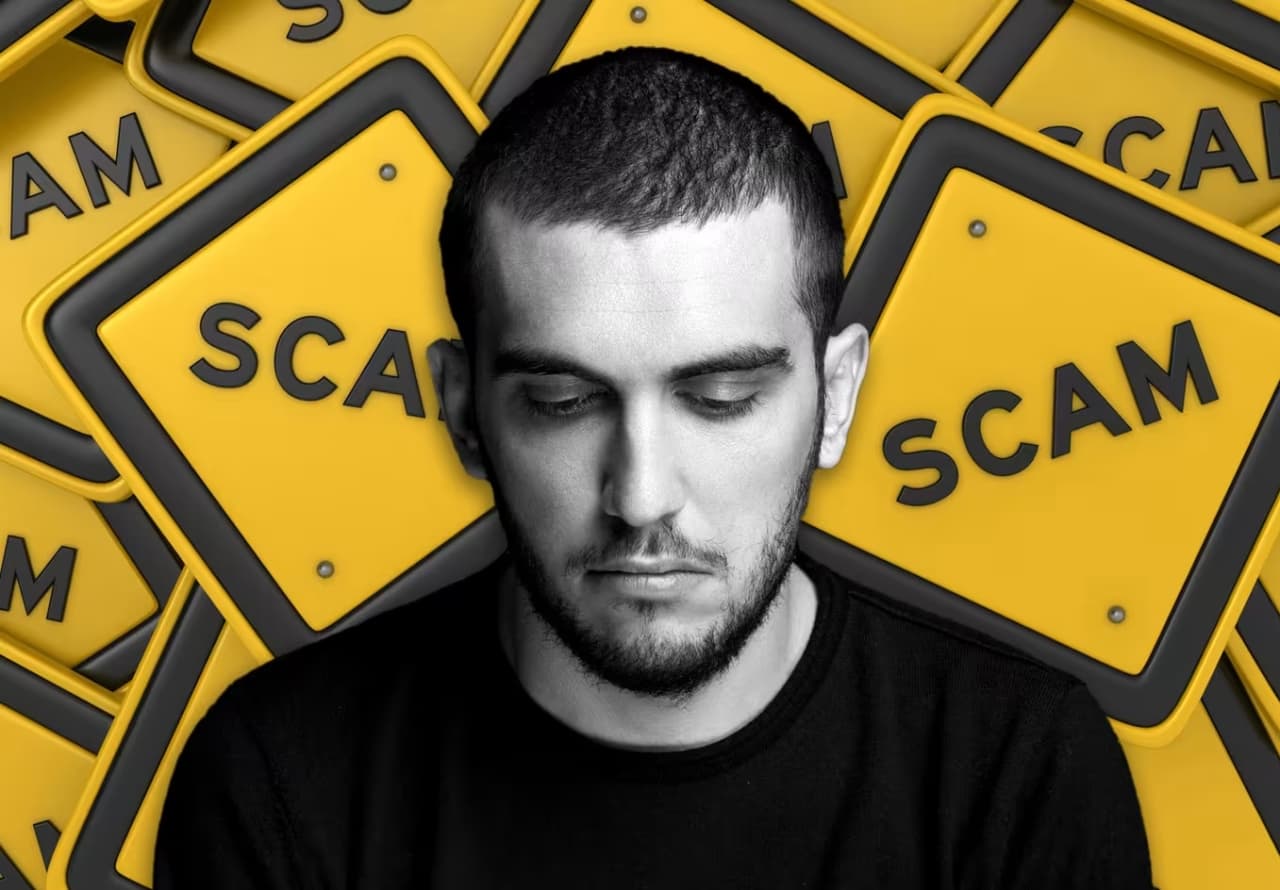
‘I’m naturally skeptical’: I receive 10 calls a day offering me $15,000 loans at 8% interest. Is this a scam?
“They insist that the details will be provided after they have carried out a soft credit check.”

Strategy buys $22M in Bitcoin, repurchases $193M in STRC
Michael Saylor’s Strategy, the world’s largest publicly traded corporate Bitcoin holder, bought $22.1 million of the crypto last week while spending nearly nine times as much repurchasing its STRC preferred stock. Strategy bought 267 Bitcoin at an average price of $82,900 between Oct. 12 and Oct. 16, bringing its holdings to 848,517 BTC, worth $64.02 billion at purchase cost, according to a Monday filing with the US Securities and Exchange Commission (SEC). Strategy also bought back 1.94 million shares of its Stretch (STRC) preferred stock for $193.1 million. The latest purchase follows Strategy’s acquisition of 250 Bitcoin for $21.5 million during the week ending Oct. 9, when it also spent $192.4 million repurchasing STRC shares. The company said its board increased the authorization for its digital credit securities repurchase program to $3 billion from $2 billion, leaving $1.16 billion available as of Sunday. The company funded its BTC purchases primarily through $22 million in proceeds from selling 140,872 shares of its common stock, MSTR. It used existing cash to fund the STRC repurchases.
0 comments
No comments yet. Be the first to share your thoughts!