The Reason New Tires Have Colored Stripes On The Tread
This story deserves to be shared
Send it to someone who'd care, or post it on your networks.
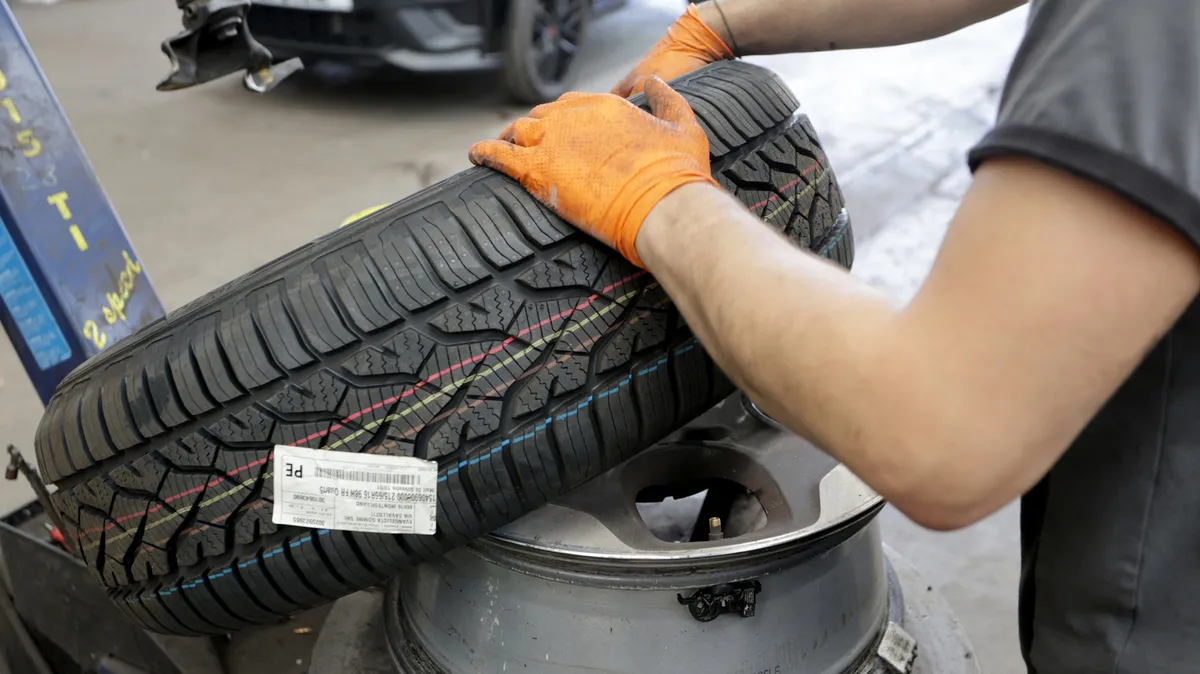
If you've ever purchased a new set of tires for your car, you may have noticed colored lines painted on the treads. They usually stand out as bright stripes that encircle the tire, and their function is to help identify products or rubber compounds as they move through production. Their purpose is for the people and equipment making the tires, rather than the person buying them.
German company REA, which supplies marking equipment to the tire industry, says automated color lines are used for material type identification. Its systems can mark rubber components and finished tires, giving factories a way to distinguish materials and products during production. Those markings are an important tool for workers or machines to distinguish one type of tire from another. By the time the tires arrive at a retailer and have been installed on your vehicle, the painted lines have served their purpose. They will eventually wear off as the tires accumulate mileage.
This article is an excerpt. To read the full content, visit the original source. Carscoops
Related articles
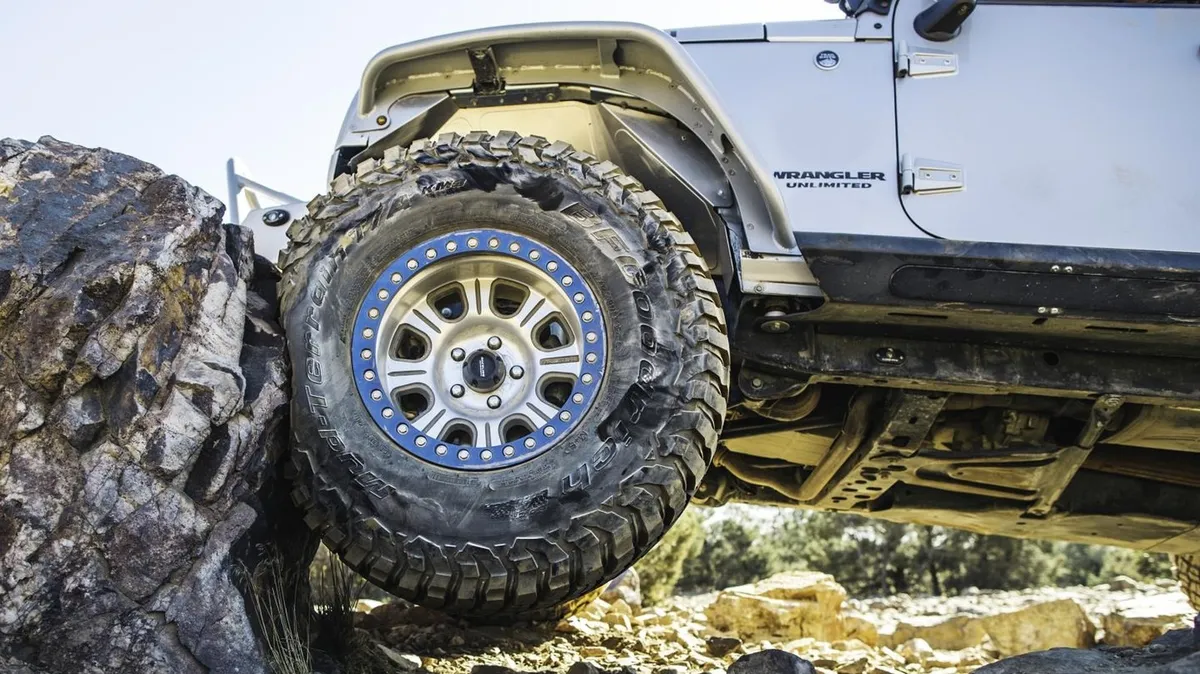
7 Puncture-Resistant Off-Road Tires That Say They Can Take Those Sharp Rocks Over There
We may receive a commission on purchases made from links. High ground clearance, four-wheel-drive systems with locking differentials, long-travel suspension, and LED lights that could cause sunburn are all cool and totally necessary in off-road vehicles. Still, the single most important upgrade you can make to your SUV or truck for traversing challenging terrain is replacing the original road tires with a set of all-terrain or off-road tires. These have deeper grooves and larger tread blocks for higher traction on all sorts of surfaces, including gravel, dirt, and mud, and they can transform your truck/SUV into an off-road beast. Naturally, off-road — more frequently known as all- or mud-terrain — tires are more aggressive and tend to sacrifice on-road comfort and grip to give you the ultimate off-road traction.

Tested: Honda Prelude’s Summer Tires Help It Corner Harder and Stop Shorter
Despite a humdrum hybrid powertrain, the 2026 Honda Prelude handles like a dream, and it offers two types of tires. A set of Goodyear Eagle Touring all-season tires is standard, but Continental ExtremeContact Sport 02 summer tires are a $1200 dealer-installed option. We’ve now tested one Prelude on all-season tires and another with summer rubber, and the results show the latter set helped it corner harder and stop shorter. Welcome to Car and Driver’s Testing Hub, where we zoom in on the test numbers. We’ve been pushing vehicles to their limits since 1956 to provide objective data to bolster our subjective impressions (you can see how we test here). Like most enthusiasts, we were a bit disappointed by the 2026 Honda Prelude’s firepower—or lack thereof. Now that we’ve tested a Prelude on its standard all-season tires, rather than just the set of sticky summer rubber on the first car we tested, we have the full picture of the little coupe’s performance. Unfortunately, switching from the all-season tires to dedicated summer performance tires doesn’t do as much as we initially hoped—but, fortunately, the grippier rubber does improve the sporty coupe where it counts.

CNBC Daily Open: Is the AI sector losing its rose-colored glow? - CNBC
Caution seems to be the name of the game in the AI sector now as investors worry around the amount of money that companies are splashing out on AI.
The Return of The Tiny Smart Car Is Getting A Brabus Tune
Given the deeply rooted Smart–Brabus partnership, we weren't at all surprised to learn of the new #2 getting the tuner's performance regimen.
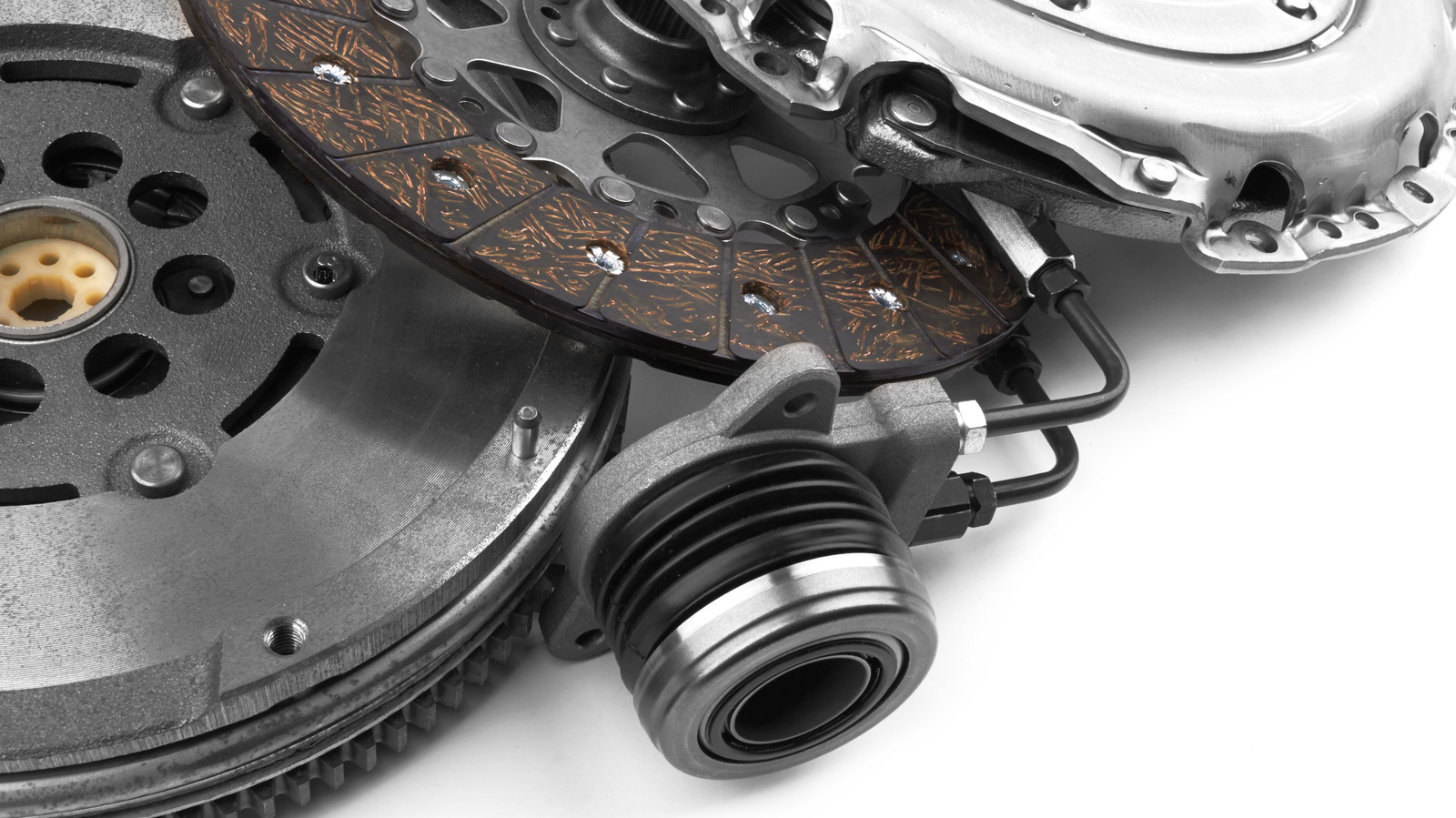
Why Manual Cars Switched To Hydraulic Clutches Instead Of Cable Clutches
Hydraulic clutches changed how manual cars feel behind the wheel, but their advantages over traditional cable systems come with a few tradeoffs worth knowing.
0 comments
No comments yet. Be the first to share your thoughts!