Why Manual Cars Switched To Hydraulic Clutches Instead Of Cable Clutches
This story deserves to be shared
Send it to someone who'd care, or post it on your networks.
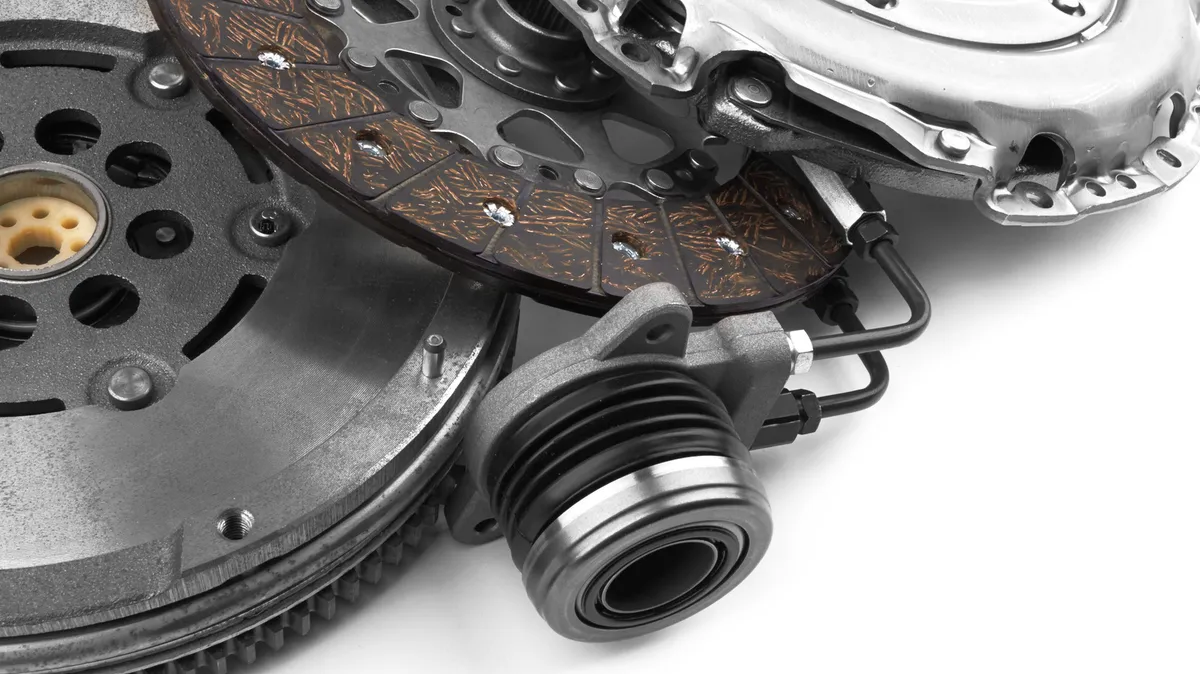
It's wild how far we've come in automotive technology during the past couple of decades. Who in the '60s would've figured that we'd make 100 horsepower per liter, like with the Ford Mustang Dark Horse 5.0-liter V8, or that adaptive dampers would be common in the luxury market, including on the Acura Integra A-Spec (with Technology Package).
Still, one seemingly overlooked aspect of automotive progress is how we actuate the clutch between an engine and manual transmission. While this area's workings have stayed relatively simple, moving from one form to another has improved daily driving in several ways. We're talking about transitioning from cable-operated to hydraulically actuated clutches.
This article is an excerpt. To read the full content, visit the original source. Jalopnik
Related articles
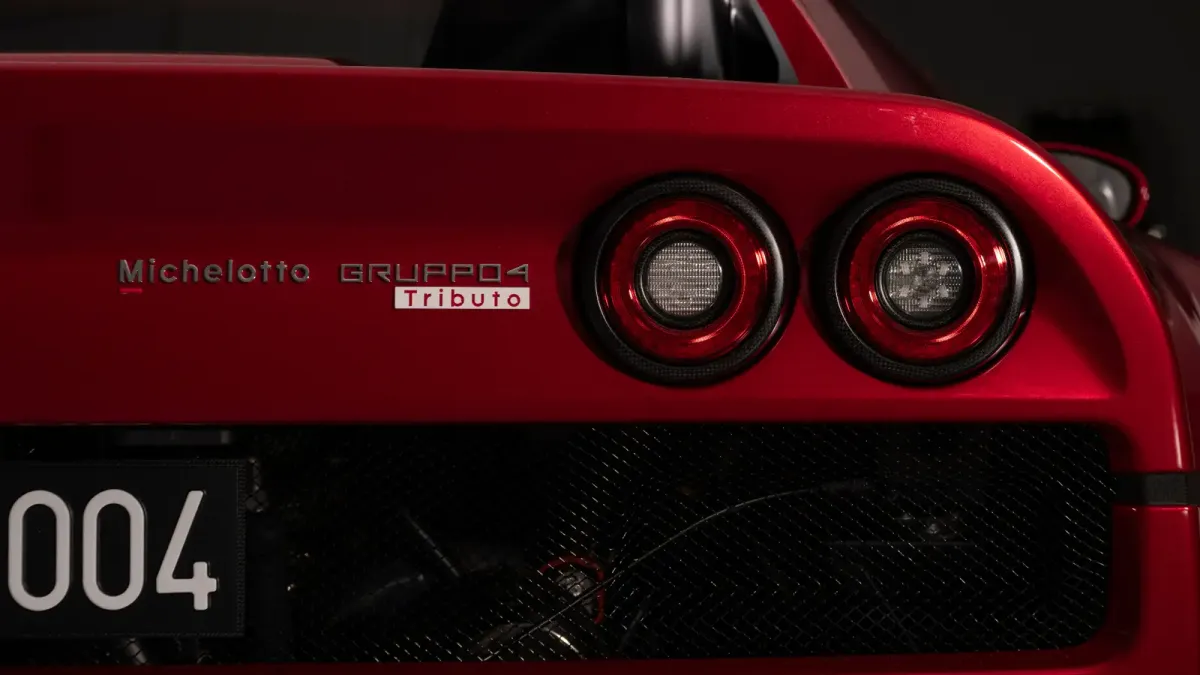
V8, Manual Gearbox, Carbon Body: Meet The Modern 308 Built Without Ferrari's Help
Chris Bruce has worked in the automotive industry since 2011 and has written thousands of stories about cars, motorsports, and motorcycles in that time. He has written for Autoblog, Autoviva, CarFax, Edmunds, Hagerty, InsideEVs, Motor1, and New Roads. He has also hosted hundreds of podcast episodes. As hobbies, Bruce enjoys building plastic models of robots and cars. He also enjoys video games, particularly the 16-bit variety. His dog keeps him busy. We added more information about AC Motorsport's Francesco Calzavara and his prior involvement with Michelotto.
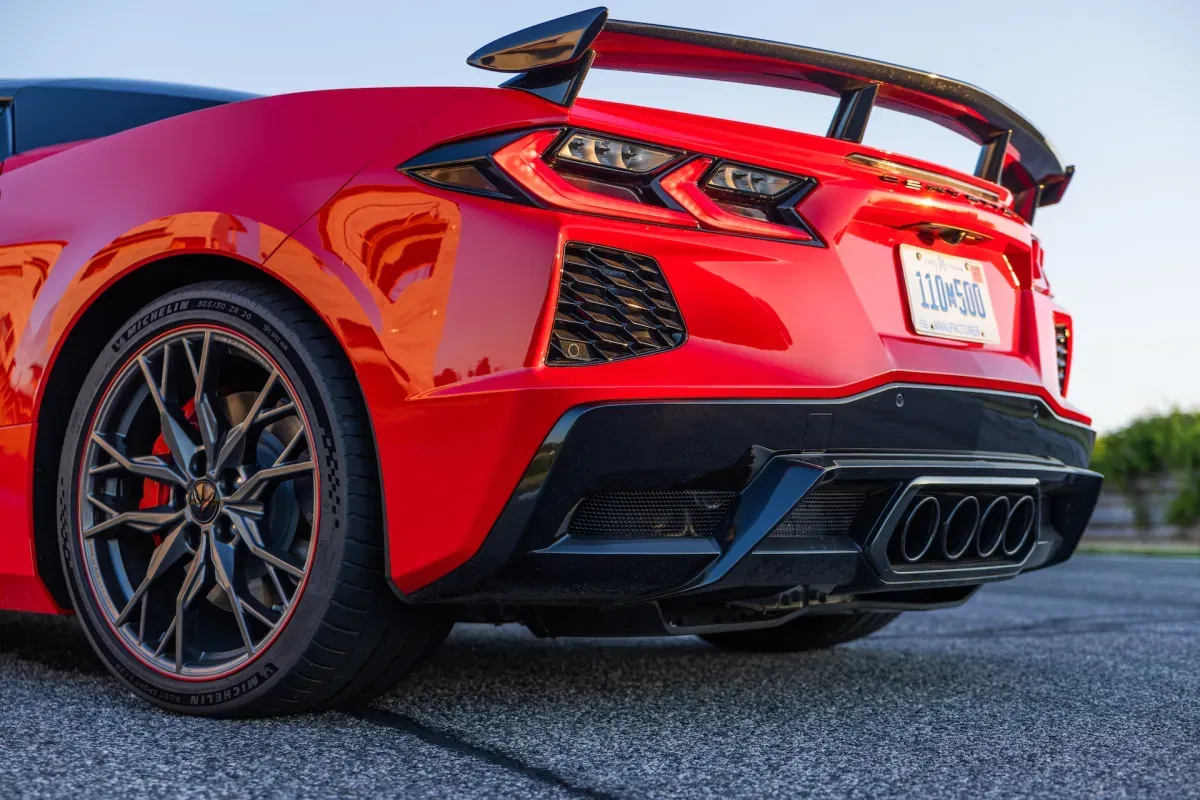
GM Is Already Pouring Cold Water on Manual C9 Corvette Rumors
The C8 Corvette was a complete rethink, which naturally led to grumbling from people who don’t like change. One of the biggest sticking points with enthusiasts was the lack of a manual transmission. A clutch pedal and shift linkage would have been difficult to package in the mid-engine C8, and the performance and drivability benefits of the eight-speed dual-clutch transmission Chevrolet went with are undeniable. But with manuals making a comeback in limited-edition supercars, maybe there’s an opportunity to make something happen, at least on high-end versions of the Corvette? Tony Roma, executive chief engineer for the Corvette and performance cars at General Motors, explained on the latest episode of our show The Drivecast why manual-transmission diehards shouldn’t get their hopes up. Like so many other things in the auto industry, it’s mainly an issue of cost.

Porsche CEO Says the Mission S Platform Is Compatible with a Manual
The newly revealed Porsche Mission S mid-engine supercar platform is engineered to support a traditional manual gearbox alongside automated PDK options. Porsche leadership confirmed that offering a manual transmission in the production model will ultimately depend on market demand and buyer feedback. The retro-inspired Mission S concept features traditional driver-focused elements, like a physical key, signaling a commitment to mechanical engagement. The Porsche Mission S concept car that was recently revealed is meant to point the way towards the automaker’s future—one where a new flagship supercar above the 911 pushes the brand upmarket while strengthening ties to the company’s past. And that future, it seems, could include an old-fashioned row-your-own transmission. During remarks at the launch event in New York City, Porsche CEO Dr. Michael Leiters stressed that the new supercar has a flexible platform that’s compatible with multiple powertrains, and he specifically said that it could be powered by either pure internal-combustion engines or hybrid ones. More interestingly, it can also accept either manual or PDK-style automatic transmissions.

Hydraulic Fracturing Technology - Department of Energy (.gov)
Hydraulic fracturing is a technique in which large volumes of water and sand, and small volumes of chemical additives are injected into low-permeability subsurface formations to increase oil or natural gas flow. The injection pressure of the pumped fluid creates fractures that enhance gas and fluid flow, and the sand or other coarse material holds the fractures open. Most of the injected fluid flows back to the wellbore and is pumped to the surface. Hydraulic fracturing has been used for over 60 years in over one million wells. Recently, public concern about potential impacts on drinking water and other environmental damage has significantly grown. Consequently, Congress directed the Environmental Protection Agency (EPA) in 2010 to conduct a study of this practice to better understand any potential impacts of hydraulic fracturing on drinking water and groundwater. DOE/NETL is working closely with the EPA as it carries out the study and is also collaborating with the Department of the Interior to enhance understanding of these risks. On May 5, 2011, U. S.
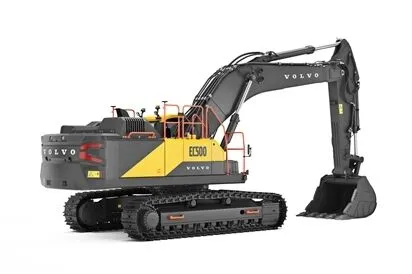
Volvo brings hydraulic hybrid technology to new-gen excavators with five new models - Volvo Construction Equipment
New models deliver up to 20% better fuel efficiency and a 15% reduction in CO2 emissions Volvo Construction Equipment is bringing its proven, industry-leading hydraulic hybrid technology to the newest generation of excavators with the EC260 Hybrid, EC300 Hybrid, EC370 Hybrid, EC400 Hybrid and EC500 Hybrid.
0 comments
No comments yet. Be the first to share your thoughts!