The Quiet Rise of Loveholidays on a 20-Year-Old Business Idea
This story deserves to be shared
Send it to someone who'd care, or post it on your networks.

Loveholidays is one of the biggest travel companies most people outside Britain have never heard of. The privately held company sold £3.4 billion ($4.5 billion) of holidays in the year to October 2025, largely by doing something that has been around since the early days of online travel: combining flights and hotels dynamically at the moment a customer searches.
That model has become a major part of the British package-holiday market, where travelers have long been comfortable buying flights and accommodations together. Loveholidays did not invent dynamic packaging, but it has scaled it much further than its closest rival. Revenue rose 25% last year to £344.5 million ($456 million), adjusted EBITDA rose 39% to £112.7 million ($149 million), and more than half of bookings came from repeat customers, according to the private company’s financials I analyzed from the UK’s Companies House and from answers the company gave to my detailed questions.
This article is an excerpt. To read the full content, visit the original source. Skift
Related articles

Sonesta Cuts Jobs as a $2 Billion Bid Puts Many of Its Best Hotels in Play
Sonesta began laying off employees last Friday, according to an employee who spoke anonymously to Skift and at least nine LinkedIn posts. The departures span communications, marketing, loyalty, quality assurance, training, food and beverage, and accounting. Sonesta's chief brand officer left in recent weeks, and marketing and creative staff have exited since Friday, according to their LinkedIn posts.
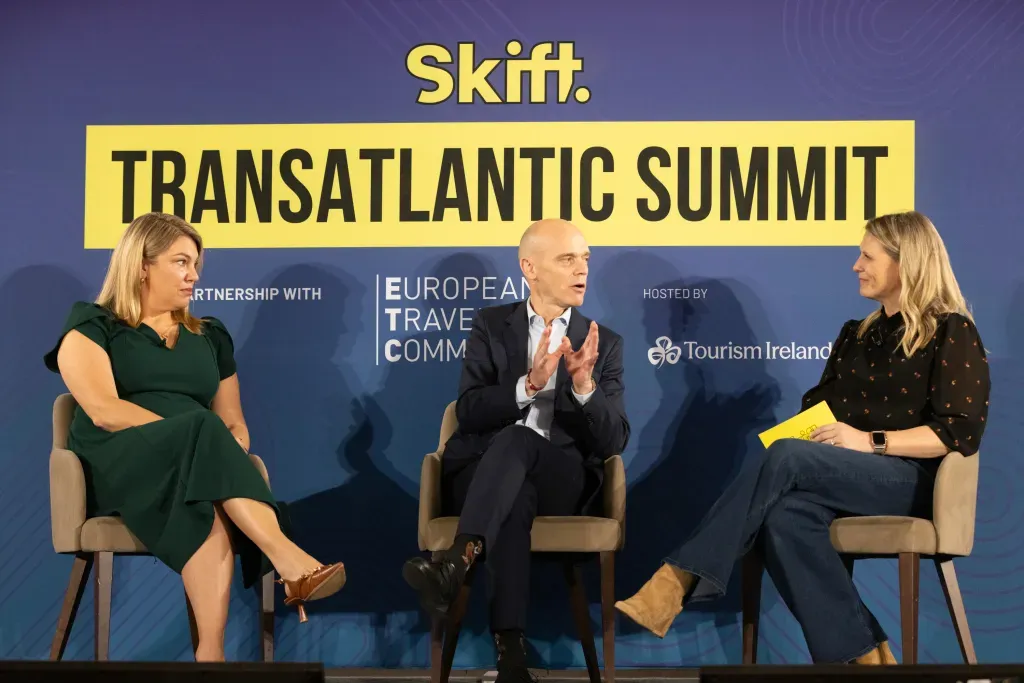
Skift Translatlantic Summit 2026: Identifying Growth in a Durable but Fragmenting Corridor
Travel through the transatlantic corridor is in a transition phase. U. S. travelers still want to go to Europe, but they are spending more carefully. Canadian and American preferences are moving further apart. Travelers are searching for shoulder-season trips and easier ways to move around once they arrive. Airlines are adding routes outside the biggest gateway cities, but many of those places still lack easy connections into regional rail and ground networks. These shifts make the next source of growth harder to identify. Travel companies are competing for a large and resilient customer base that’s becoming more selective and fragmented.
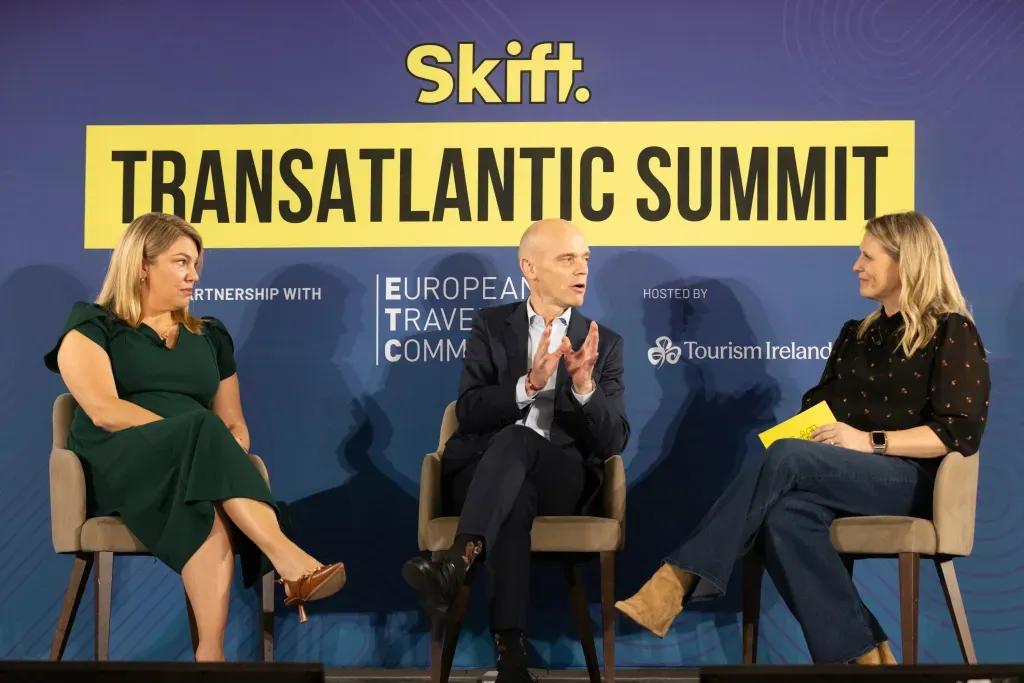
What Boston and Iceland Learned From a Sold-Out Summer of Live Tourism
Photo Caption: Lindsay Milne Grant of Meet Boston and Arnar Már Ólafsson of the Icelandic Tourist Board at Skift Transatlantic Summit in Dublin October 15, 2026. Skift / Bryan Brophy Live tourism is a force in the travel industry, with one in five travelers saying they plan trips around live events and experiences. And often, when destinations and travel companies consider the benefits of hosting high-profile events, they think in terms of increased footfall. But when events happen in high season and tourism is already at peak levels, destinations must consider success from different angles.

Hospitality Has A Water Issue
Photo Credit: The traditional well on Maria Mavroudi’s family property in Astypalea. Kallichoron Maria Mavroudi’s grandparents, from the Greek island of Astypalea, never wasted water. They collected rain in a sterna — a traditional cistern — to water their plants and to provide water for animals.
GMH Bonus: Sam Shank on How AI Could Reshape Online Travel
In this Good Morning Hospitality bonus episode, Wil Slickers sits down with Sam Shank, co-founder and former CEO of HotelTonight, at Skift Global Forum to discuss how AI agents could reshape online travel distribution. Shank explains why AI-driven booking could challenge the sponsored search model that has fueled major online travel agencies like Booking.com and Expedia, while creating new opportunities for specialized agents and booking infrastructure. The conversation explores how hotels and vacation rentals can maintain visibility as travelers shift toward AI-powered discovery, why Shank would reposition HotelTonight as a specialist agent for last-minute accommodations, and how trust, privacy, and security will influence adoption. Shank also shares his perspective on the future relationship between general-purpose AI assistants and specialized travel agents.

AI Will Know Your Travelers. And the World’s Travelers. Will You?
This sponsored content was created in collaboration with a Skift partner. Travel companies face a new distribution question: Will AI simply refer travelers to brand websites, or will discovery and booking move into AI conversations?
0 comments
No comments yet. Be the first to share your thoughts!