The highest-elevation tornadoes in US history prove twisters can strike almost anywhere
This story deserves to be shared
Send it to someone who'd care, or post it on your networks.
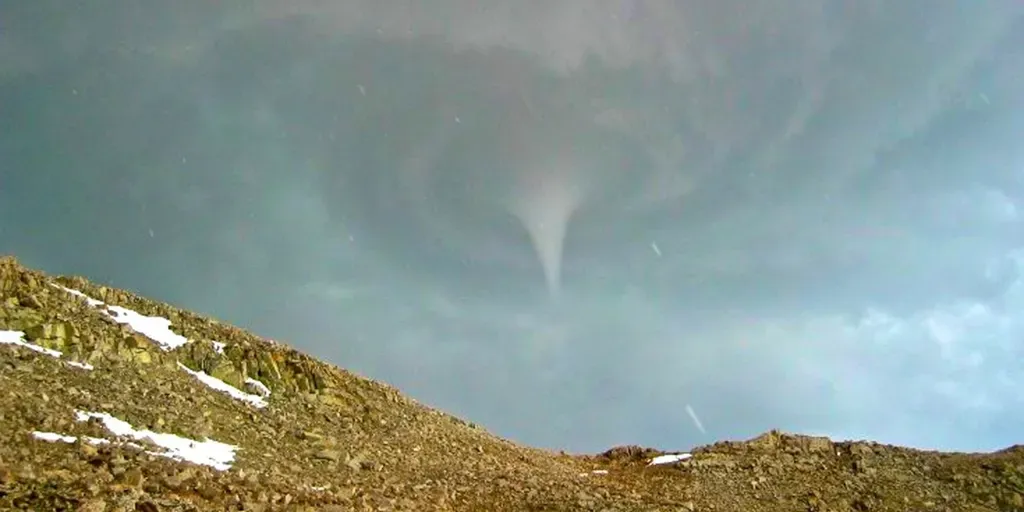
MUST WATCH: High elevation Utah tornado caught on camera spinning at 7,500 feet A confirmed tornado touched down Friday in the mountains east of Fruit Heights, Utah, with astonishing video capturing the twister on the ground. The National Weather Service said the tornado touched down shortly after 1:50 p.m. MDT along a ridge line near Francis Peak in Davis County at an elevation of about 7,500 feet, as severe thunderstorms moved through northern Utah. THE TAKEAWAYHigh-elevation tornadoes are rare but can develop in mountainous terrain. Several U. S. tornadoes have been documented above 11,000 feet. Remote locations make these tornadoes difficult to observe, survey and officially rate. Viral video of a tornado spinning along a ridge near Fruit Heights, Utah, at an estimated elevation of 7,500 feet captivated the internet, but the impressive twister falls well short of the highest-elevation tornado documented in the United States. While high-elevation tornadoes are rare, capturing and documenting them well enough for National Weather Service confirmation is even more difficult.
This article is an excerpt. To read the full content, visit the original source. Fox Weather
Related articles
Rare high-elevation tornado confirmed near Salt Lake City
Stock photo: A dramatic close-up of dark storm clouds, capturing intense atmospheric tension and potential for rain. The visual style is moody and evocative, suitable for conveying themes of nature's power or impending weather changes.(Getty Images)A rare high-elevation tornado has been confirmed in Utah, according to the National Weather Service. The tornado touched down on Friday afternoon in the mountains near Fruit Heights, a small city about 20 miles north of Salt Lake City, at an elevation around 7,500 feet. Video of the twister shared on social media shows the vortex's tight rotation and debris being lifted high into the air. No damage or injuries were reported.(MORE: Smokenado towers over Utah wildfire)Tornadoes are typically uncommon in mountainous regions because one of the most important ingredients for severe storms and tornadoes are warm, moist, unstable air. The air in higher-elevations are typically much cooler, drier and more stable than lower-elevation terrain. Mountains can also act as a barrier to rich moisture and disrupt wind flow patterns. Get More of Our News on GoogleSet The Weather Company as a 'Preferred Source' to get quicker access to the news you value.
Rare, high-elevation tornado hits Utah mountainside at nearly 2,300 metres
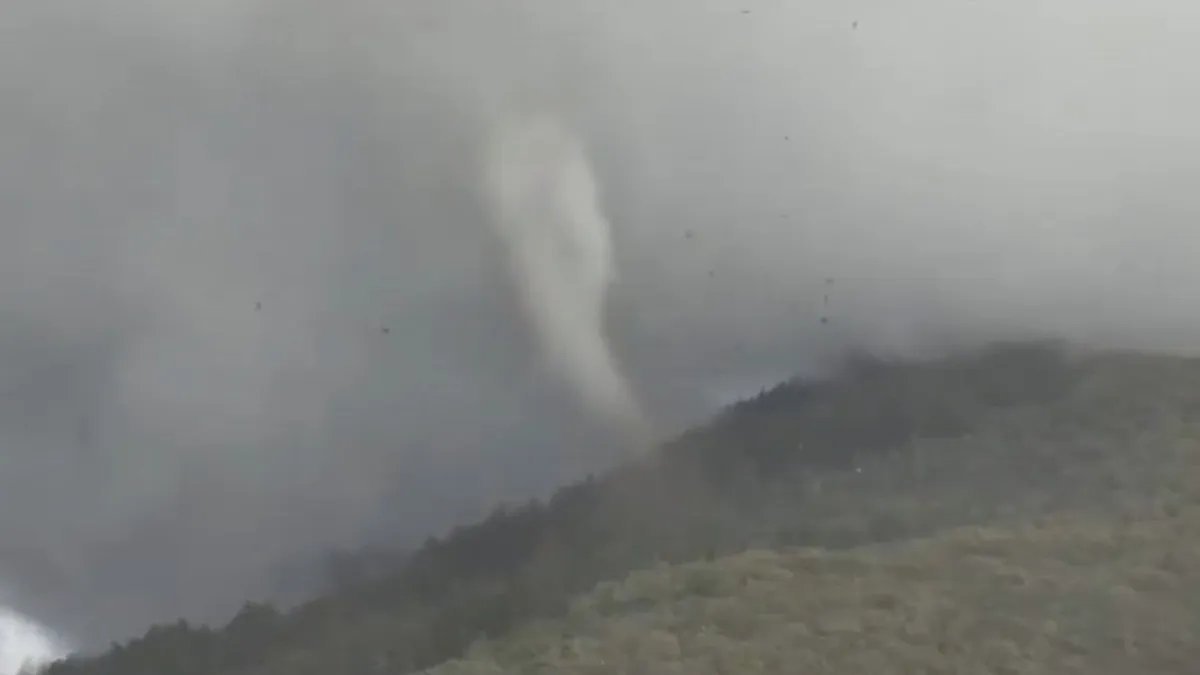
When you're living near a mountainside, one of the last things you would expect to see moving fast at higher elevations would be a tornado, but that's what happened in Utah on Friday. According to the Salt Lake City, Utah, branch of the U. S. National Weather Service (NWS), a rare, strong twister occurred near Fruit Heights, Utah. The funnel first made contact with the ground near a summit along the ridgeline extending west from Francis Peak, at an elevation of about 7,500 feet (almost 2,300 metres). Tornadoes are uncommon at very high elevation due to drier air and less favourable thunderstorm dynamics. Brittany Whitlam, a NWS meteorologist who works at the Salt Lake City office, told Newsweek that radar signatures showed the twister lofted debris 4,000 feet into the air. She also noted that, based on the radar and videos sent in from residents in the area, NWS can confirm it was a "strong" tornado, but there won't be an official rating designated until a survey team is deployed to the scene to review any damage incurred. As well, a second tornado struck south of Vernal, Utah. Thumbnail courtesy of Shon Stevenson | Storyful.
Orionid meteor shower 2026: cloud cover forecast by region
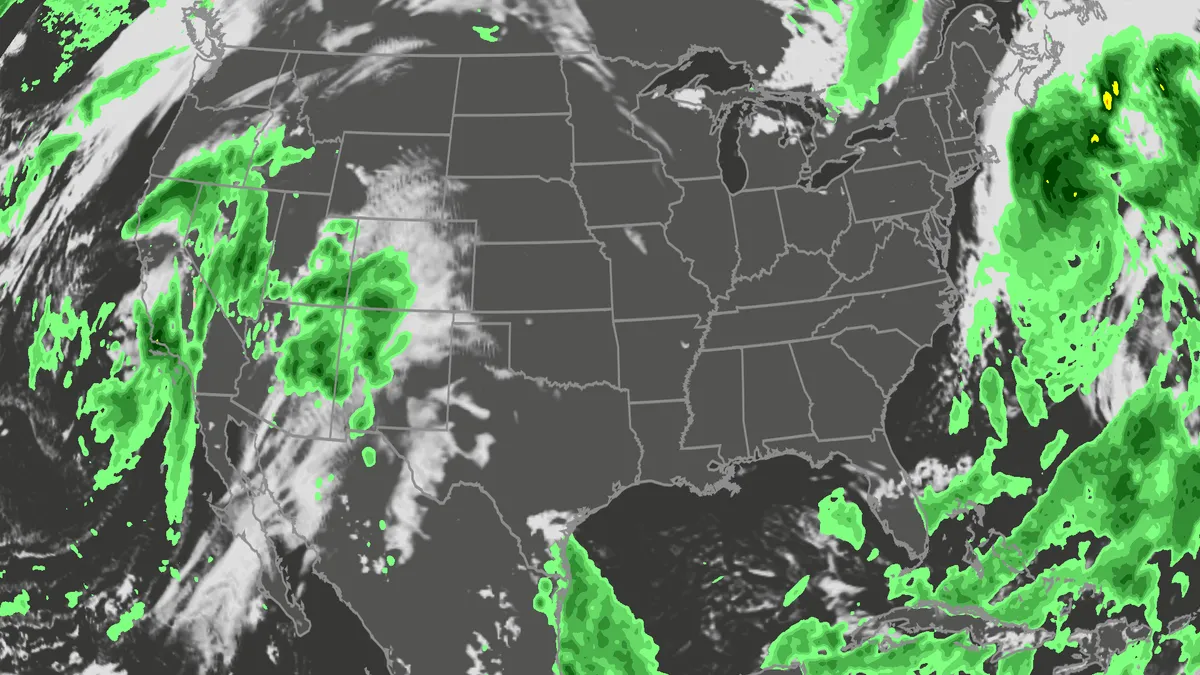
A meteor streaks across the sky over a desert in China during the Orionid meteor shower on Oct. 22, 2023.(VCG/VCG via Getty Images)The Orionid meteor shower is peaking this week, and it promises to be one of the most dazzling displays of the year. And while some of you will have clear skies, rain and clouds could impact the view for others. Here's what you need to know about the Orionids and your forecast:Fast factsPeak day: The meteor shower peaks Wednesday night, Oct. 21, into the early hours of Thursday morning, Oct. 22. Peak time: From midnight to dawn are the best hours to catch the meteors streaking through the sky, so plan on a late night or really early morning. What the Orionids are known for: The Orionid meteors are known for their brightness and their speed. As they streak across the sky at around 41 miles per second, the meteors leave behind a glowing "train" that can last several seconds to minutes. While you can make the perfect plan to catch the Orionids, the key to stellar viewing is still in Mother Nature's hands. The good news is that many of you should have good meteor shower-watching conditions. Much of the central and eastern U. S.

Can duct tape keep out flood water? Here's what lab tests found
(urbanbuzz/shutterstock)Could a cheap roll of duct tape help protect your home from flooding? New research suggests it could make a surprisingly big difference. In controlled tests, correctly applied duct tape on the outside of a household door reduced water leakage by 97-98%. The findings suggest that a simple low-cost measure could substantially reduce the amount of water entering a home during a flood. This is important as one of the key lessons from flood resilience research is that the best time to protect a property is before floodwater arrives. The UK government’s 2025 FloodReady Review called for practical, affordable measures that help households understand their risks and to prepare for flooding. And one potential contribution to this agenda might sound unlikely, at first glance. Duct tape is more commonly associated with household repairs than flood protection. However, tests colleagues and I conducted at the University of Hull demonstrated how much water can enter a property through an unprotected doorway during a flood. Three doors, ready for flood-testing.
0 comments
No comments yet. Be the first to share your thoughts!