The democratization of private equity could create a “systemic risk machine” - Stanford Institute for Economic Policy Research (SIEPR)
This story deserves to be shared
Send it to someone who'd care, or post it on your networks.
This article is an excerpt. To read the full content, visit the original source. Stanford Institute for Economic Policy Research (SIEPR)
Related articles
The Democratization of Private Equity Could Create a “Systemic Risk Machine” - Stanford Graduate School of Business

Was crypto self-custody ever designed for beginners?
Crypto executives are divided over whether self-custody was ever designed for beginners, while approaches such as multisignature wallets and seedless backups come with their own security and usability trade-offs. “We don’t expect every driver to be a mechanic, and we shouldn’t expect everyone who wants to own their assets to become a security expert,” Safe Labs CEO Rahul Rumalla told Cointelegraph. Making self-custody easier to use could be critical to Bitcoin’s broader adoption, as the ability to “be your own bank” remains one of its defining features. Recent incidents involving Ledger and Coldcard have exposed weaknesses in hardware wallets, widely recommended as one of the safest ways to hold crypto because they keep private keys offline. Implants in some Ledger devices stole recovery phrases, while a Coldcard firmware bug allowed attackers to recreate private keys and steal funds. Related: Ledger’s early implant warnings deserved more action, Karpelès saysMichael Tanguma, CEO of Bitcoin custody provider Onramp, compared Bitcoin custody to personal computers in the 1970s, when users needed technical skills to assemble and operate them.
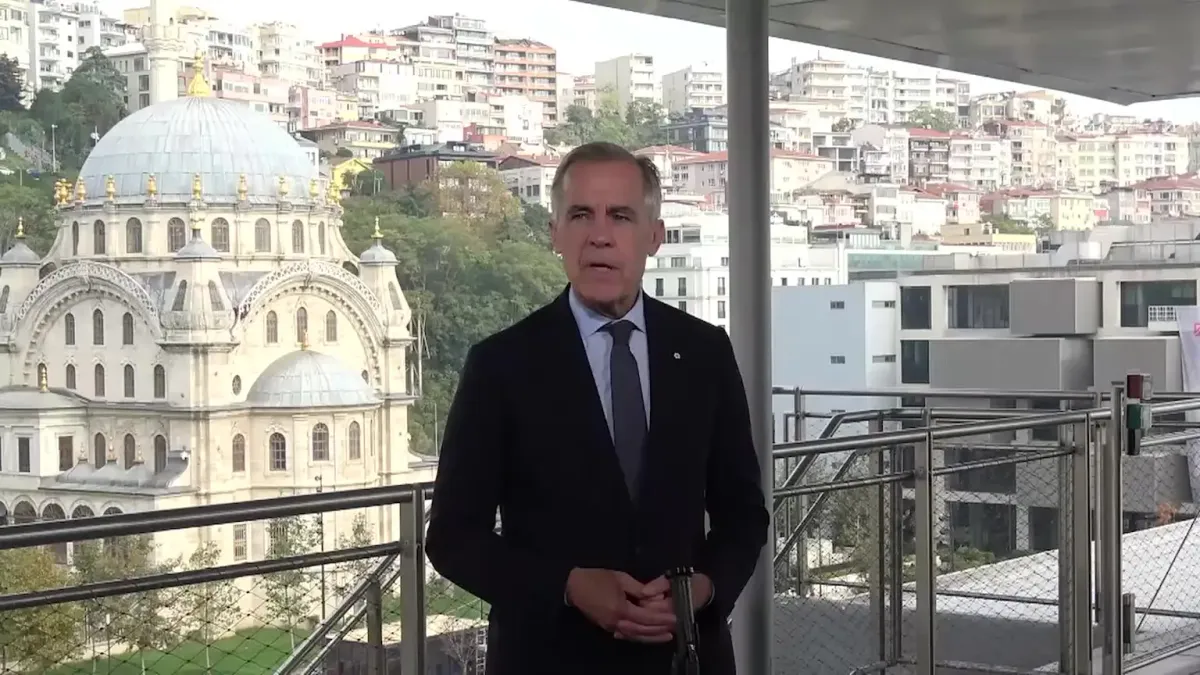
Carney confident in Canadian bid for Turkish nuclear plant
HomeCanadaBusinessInvestingLifeOpinionWorldPoliticsPersonal FinanceCultureSportsFind clarity in the chaos. Subscribe now and save 70%The Canadian PressThe Canadian PressPublished 8 seconds agoPrime Minister Mark Carney says he's confident in a bid by Canadian engineering firm AtkinsRéalis to supply nuclear reactors for two planned Turkish power plants. He's in Istanbul for meetings with Turkish business leaders to showcase why Canada is becoming a more attractive market to do business. The Canadian PressMost PopularVideo duration: 0:56Need a smile?
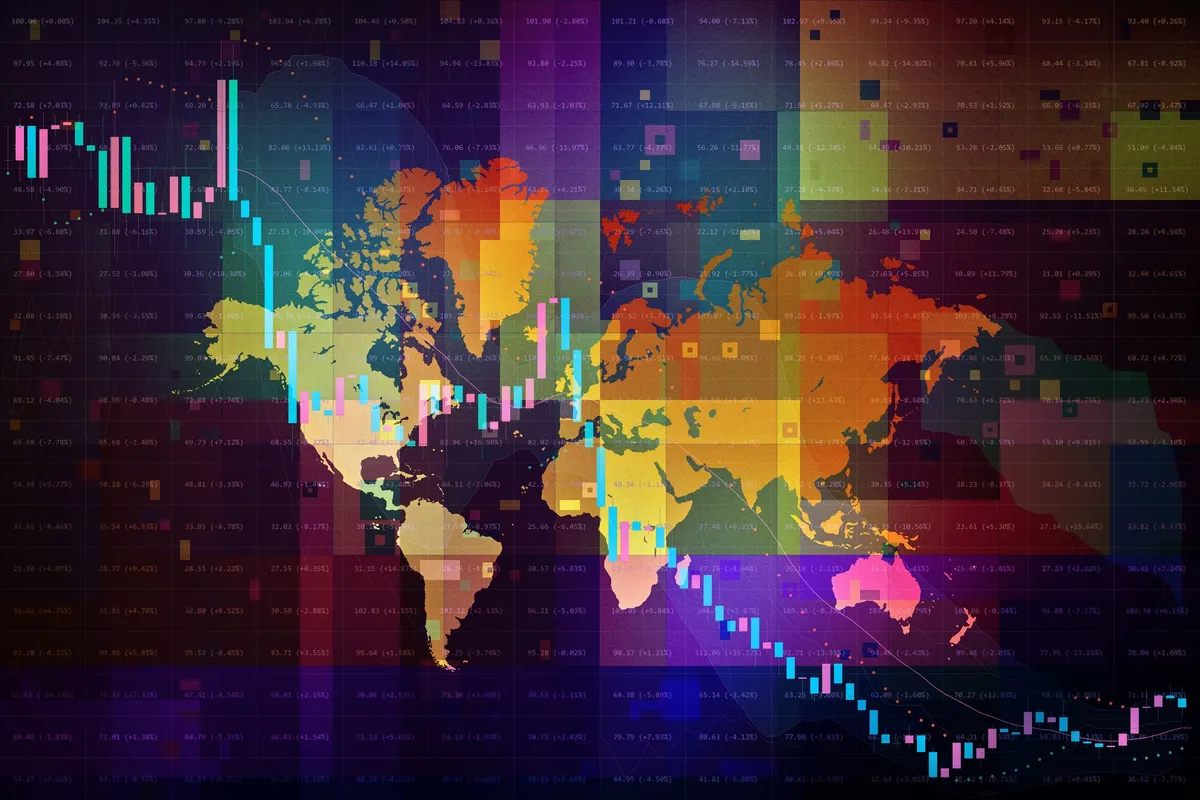
How Much International Exposure (If Any) Should Your ETF Portfolio Have?
International stocks can improve diversification, but U.S. investors still need to decide how much foreign exposure belongs in an ETF portfolio.
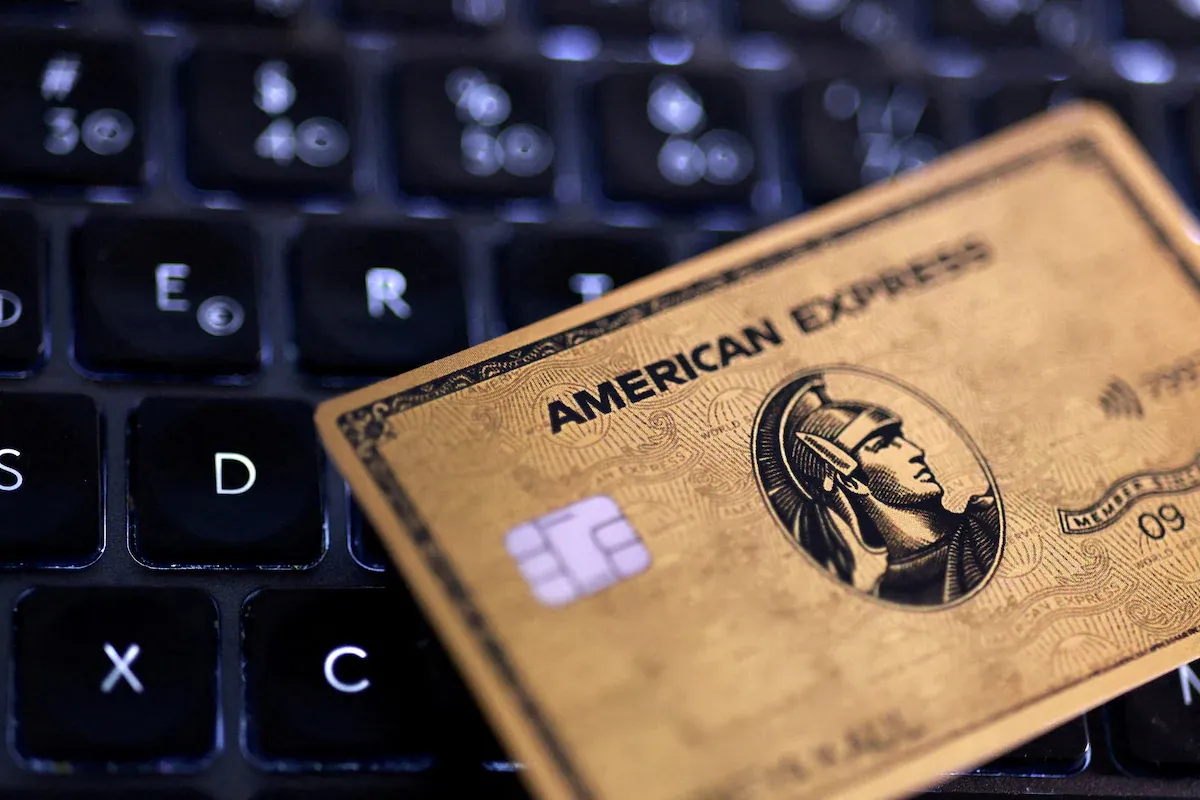
American Express raises annual profit outlook as affluent customers keep spending
American Express AXP-N raised its profit forecast for 2026 on Friday after reporting strong third-quarter results as its affluent customers swiped their cards to pay for travel, dining out and shopping. By targeting consumers with high credit scores and more disposable income, the credit card giant has built a moat around its business to keep broader economic slowdowns and uncertainty at bay. Billed business, a measure of total spending on all Amex-issued cards, rose 8 per cent in the third quarter to US$454-billion. Revenue climbed 9 per cent to $20.1-billion. “Business momentum continues, with strength in billings, new acquisitions and Card Member retention, and excellent credit quality,” AmEx CEO Stephen Squeri said in a statement. Its shares were last up 0.8 per cent in premarket trading after the company forecast an annual profit in the range US$18.30 to US$18.60 per share, compared with its prior expectation of between US$17.30 and US$17.90. The company has invested heavily in attracting younger consumers, particularly Gen Z and millennials, as it seeks to build long-term customer relationships and expand its global market share to sustain growth.

The stock market is splitting in two. Is that signaling trouble ahead, or just a new set of winners?
Tech stocks are slumping — even as more than 300 S&P 500 constituents rose Thursday — and Treasurys are rallying. Here’s what may be changing.
0 comments
No comments yet. Be the first to share your thoughts!