The Costs of Job-Hopping: Why Staying Put Pays Off
This story deserves to be shared
Send it to someone who'd care, or post it on your networks.

While frequently changing jobs can offer pay bumps and what feels like a fresh start, building roots at one company can lead to greater career advancement.
This article is an excerpt. To read the full content, visit the original source. Kiplinger
Related articles

Job-hopping is paying off in Canada, and more than in the U.S. - The Globe and Mail
Open this photo in gallery:Pedestrians move past 1 Adelaide Street East in Toronto’s Financial District on Tuesday. When job changers are better off than job stayers it usually signals a tight job market, research from Automatic Data Processing shows. Will Cox/The Globe and MailCanadians interested in new jobs are seeing a bigger financial payoff when they move than those who stick in their current roles, despite headwinds in the labour market, according to research from Automatic Data Processing. And people switching jobs may see an even bigger pay bump rate than those in the U. S., the ADP report found. Those who made the move in this country saw their base pay grow 5.6 per cent year-over-year in August, up from 5 per cent in July, according to research from ADP, a human resources and payroll management company. That compares to just a 3 per cent boost for job stayers – a number that’s remained flat since December. The ADP’s report draws on the anonymized payroll transaction data of approximately 1.6 million Canadian workers each month, through a matched sample over a rolling 12-month period.
GM’s core profit rises 22%, beats estimates
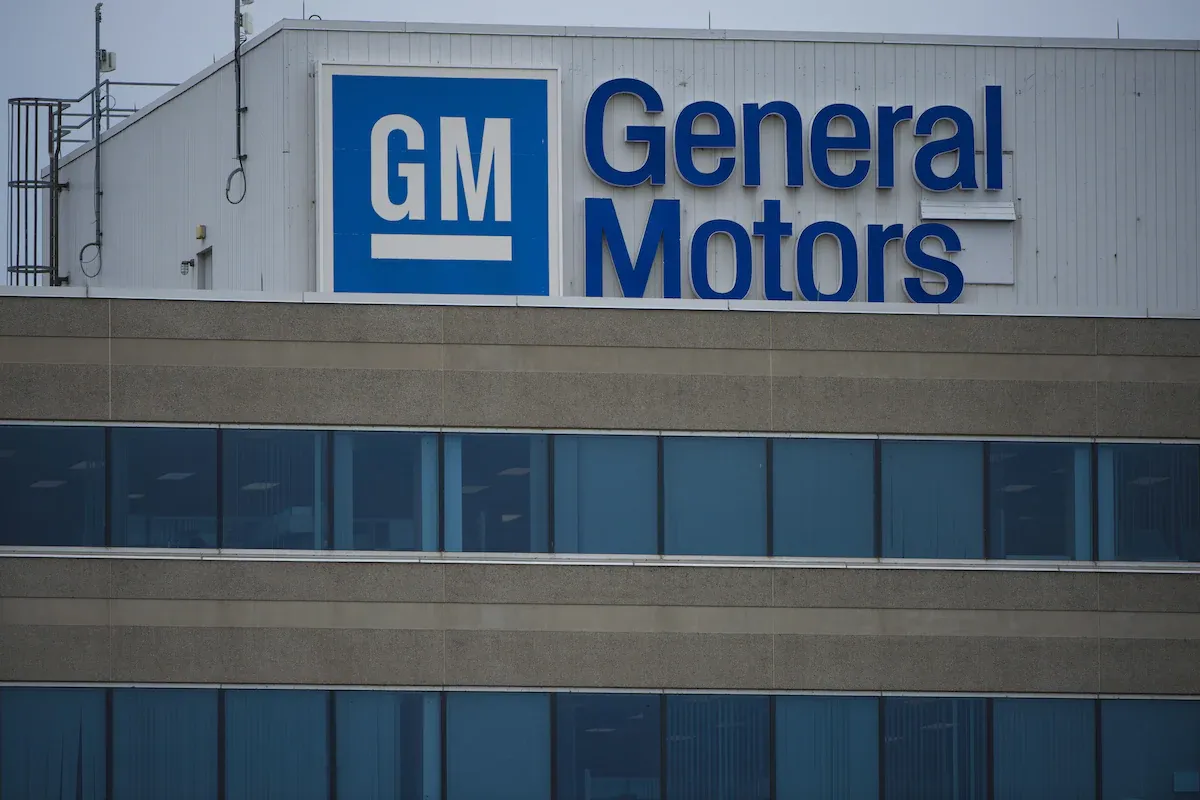
General Motors Co.’s GM-N third-quarter results easily beat analyst expectations on the back of resolute shoppers who continue to spring for pricey pickups and SUVs. The company on Tuesday said quarterly earnings before interest and tax, not including one-time items (adjusted EBIT) rose 22 per cent from a year earlier, to US$4.1-billion. That amounted to US$3.70 per share, topping analyst expectations of US$3.63, according to LSEG data. The automaker said it expected to end 2026 with adjusted EBIT in the range of US$14.5-billion to US$15.5-billion, narrowed from previous guidance of US$14-billion to US$16-billion. The company said it remained confident despite inflationary pressures from higher logistics and energy costs, tariffs and other expenses. GM shares fell about 6 per cent in premarket trading. The company said its board approved a multiyear, US$20-billion stock buyback program. GM has bought back about US$29.5-billion of its own shares since 2023, driving down its overall share count to help its per-share profit results. GM in the third quarter sold a higher mix of large pickup trucks and fewer electric vehicles, which helped the bottom line.

How Have Prices Changed Since the Iran War Began?
Gas prices aren't the only thing that's been impacted by the conflict with Iran.

Why smaller stocks face worse prospects than the S&P 500 in the coming years
The Value Line Median Appreciation Potential has a good record forecasting smaller stocks’ returns. And the next four years look bearish.
0 comments
No comments yet. Be the first to share your thoughts!