The ancient baths of Pompeii were outrageously filthy, study finds - BBC Science Focus Magazine
This story deserves to be shared
Send it to someone who'd care, or post it on your networks.
This article is an excerpt. To read the full content, visit the original source. BBC Science Focus Magazine
Related articles
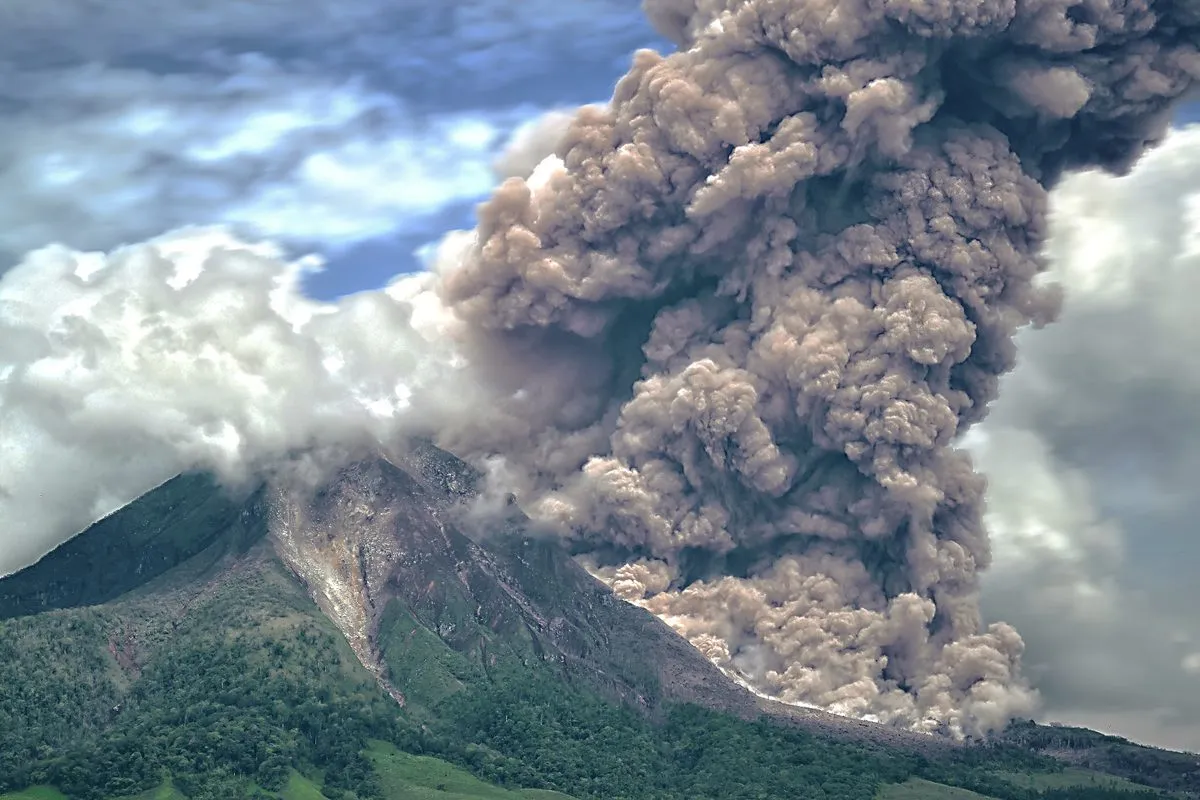
Think you know Pompeii? These are the 7 myths you probably still believe - BBC Science Focus Magazine
Pompeii is a tale that you’ve probably heard before. It’s one of the most famous from the ancient Roman world: a deadly volcanic eruption that destroyed an entire city – now an eerie tourist site and archaeological treasure trove. But, while many of us vaguely know what happened when Vesuvius erupted in 79 AD, there’s still so much we could learn from this tragedy.
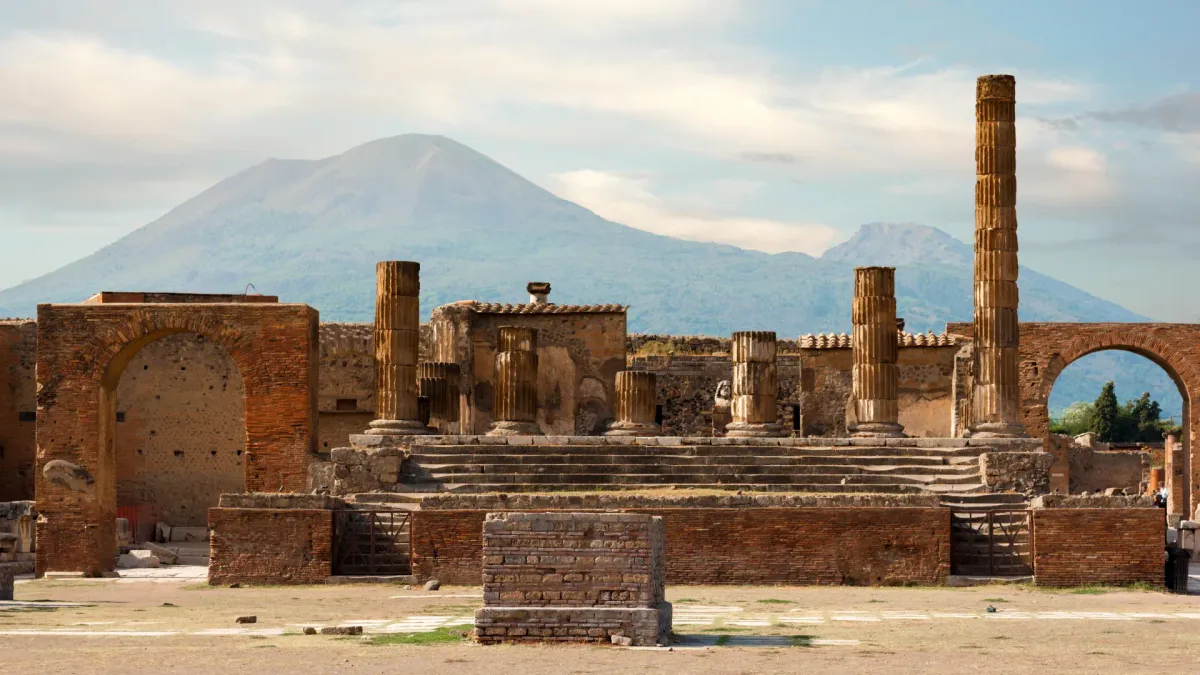
Pompeii’s 2,000-year-old eruption just gave scientists a better clock for Earth’s past - ScienceDaily
Nearly 2,000 years ago, Pliny the Younger documented what he witnessed when Mt. Vesuvius erupted, burying Pompeii and killing his uncle, Pliny the Elder. His account did more than preserve the story of one of history's most famous volcanic disasters. It also recorded enough information about when the eruption occurred to give modern scientists an unusually precise historical reference point for testing volcanic dating techniques. Researchers from the Berkeley Geochronology Center, UC Berkeley and the University of Padua in Italy now report in Science Advances that this historical benchmark has helped them significantly improve the precision of argon-argon dating. By calibrating the method against the inferred eruption date of Aug. 24, 79 CE, they have strengthened what is already one of the most widely useful tools for determining the ages of rocks and volcanic events.
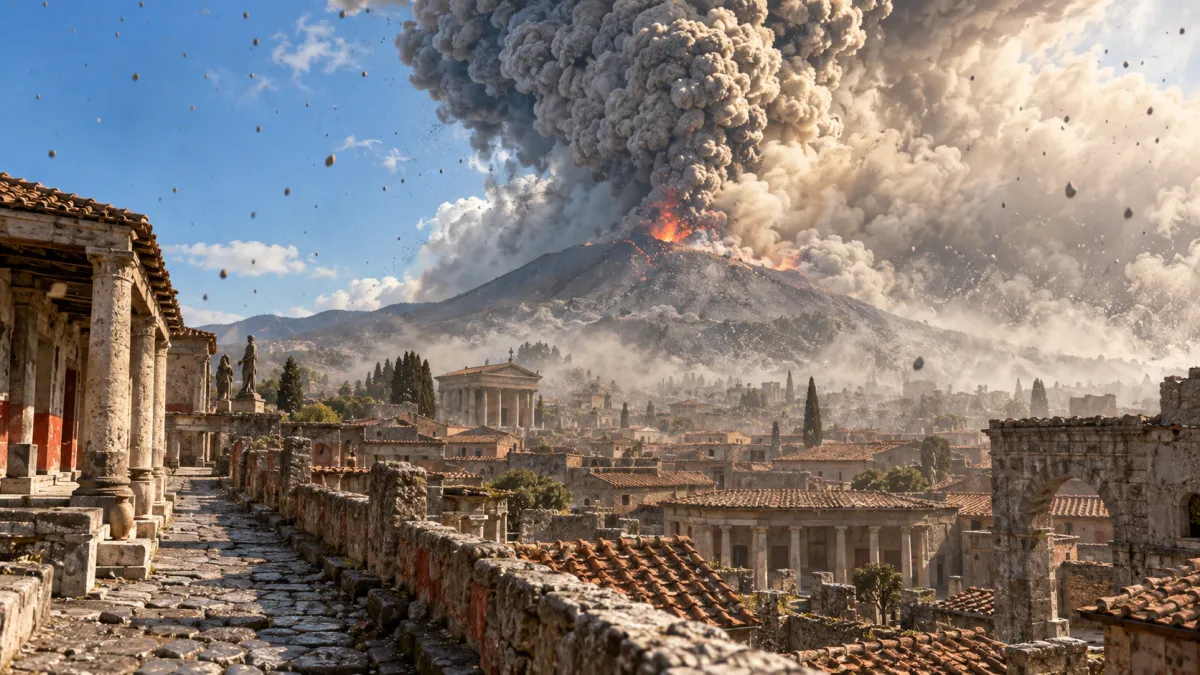
The eruption that buried Pompeii is helping scientists synchronize Earth’s geological clocks - The Brighter Side of News
Scientists used the precisely recorded 79 CE eruption of Mount Vesuvius to recalibrate argon-argon dating, reducing uncertainty for a nearly 2,000-year-old volcanic event to just 13 years. The new measurements dated Vesuvius to 87 ±13 CE, statistically consistent with the historically supported eruption date of August 24, 79 CE, while achieving about 0.7% precision. The benchmark also produced a nearly twofold improvement in the precision of a key potassium-40 decay constant, potentially strengthening volcanic, archaeological and geological timelines far beyond Pompeii. Nearly 2,000 years after Mount Vesuvius buried Pompeii, the disaster is helping scientists tell geological time with unprecedented precision. Researchers used minerals ejected during the famous 79 CE eruption to test and recalibrate argon-argon dating, one of geology’s most versatile radioactive clocks. Their measurements produced an age of 1,938 ±13 years before the samples were analyzed in 2025, corresponding to 87 ±13 CE and agreeing closely with the historical date. The study, published in Science Advances, was led by researchers at the Berkeley Geochronology Center, UC Berkeley and the University of Padua.
The eruption that destroyed Pompeii is helping scientists date Earth's history - EurekAlert!
image: Mt. Vesuvius towering above the ruins of Pompeii. The volcano's eruption in 79 C. E. inundated the town. Historical accounts of the disaster have now allowed scientists to recalibrate one of the most versatile dating methods, argon-argon dating. When Pliny the Younger recorded his first-hand experience of the explosion of Mt. Vesuvius 2,000 years ago — a cataclysm that buried Pompeii and killed his uncle, Pliny the Elder — he provided enough detail about the precise date to allow scientists to benchmark methods for dating volcanic eruptions.
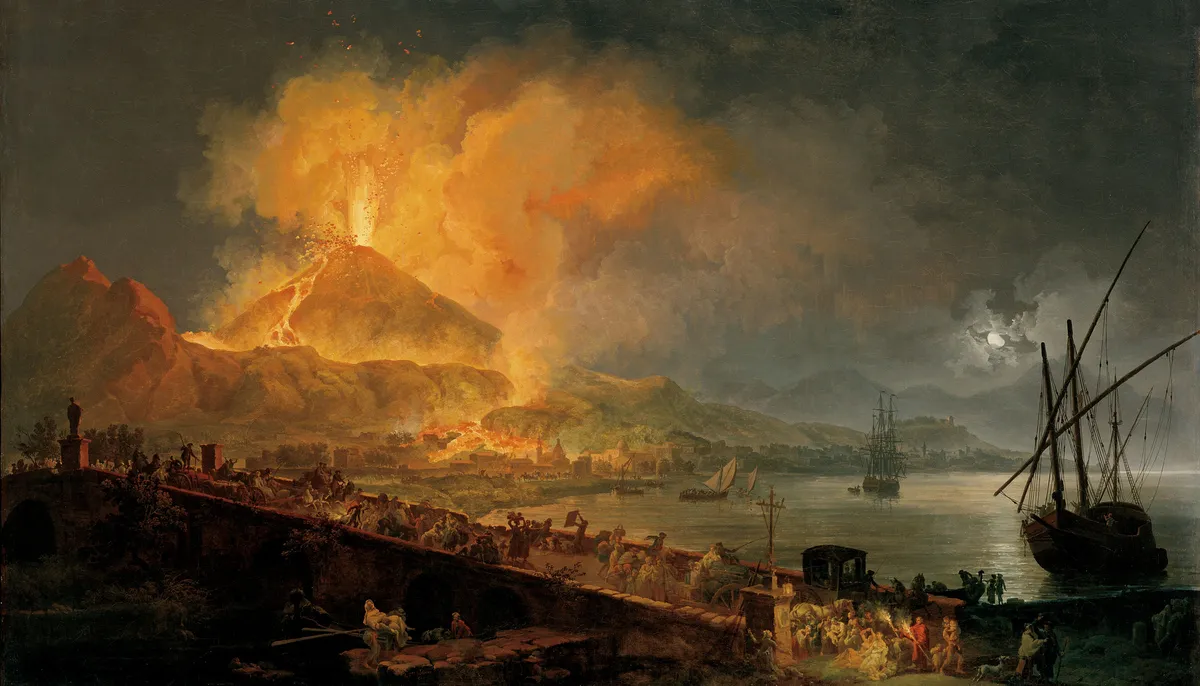
The eruption that destroyed Pompeii is helping scientists date Earth’s history - University of California, Berkeley
Historical accounts of the eruption nearly 2,000 years ago provide a precise timeline that allowed recalibration of one of the most versatile dating methods. A depiction of the 1769 eruption of Mt. Vesuvius by Pierre-Jacques Volaire, a French painter who made a career in Italy as a souvenir artist.
0 comments
No comments yet. Be the first to share your thoughts!