Thales Alenia Space to deliver communication equipment for NOAA’s Space Weather Next SOLAR project - Thales Alenia Space
This story deserves to be shared
Send it to someone who'd care, or post it on your networks.
This article is an excerpt. To read the full content, visit the original source. Thales Alenia Space
Related articles
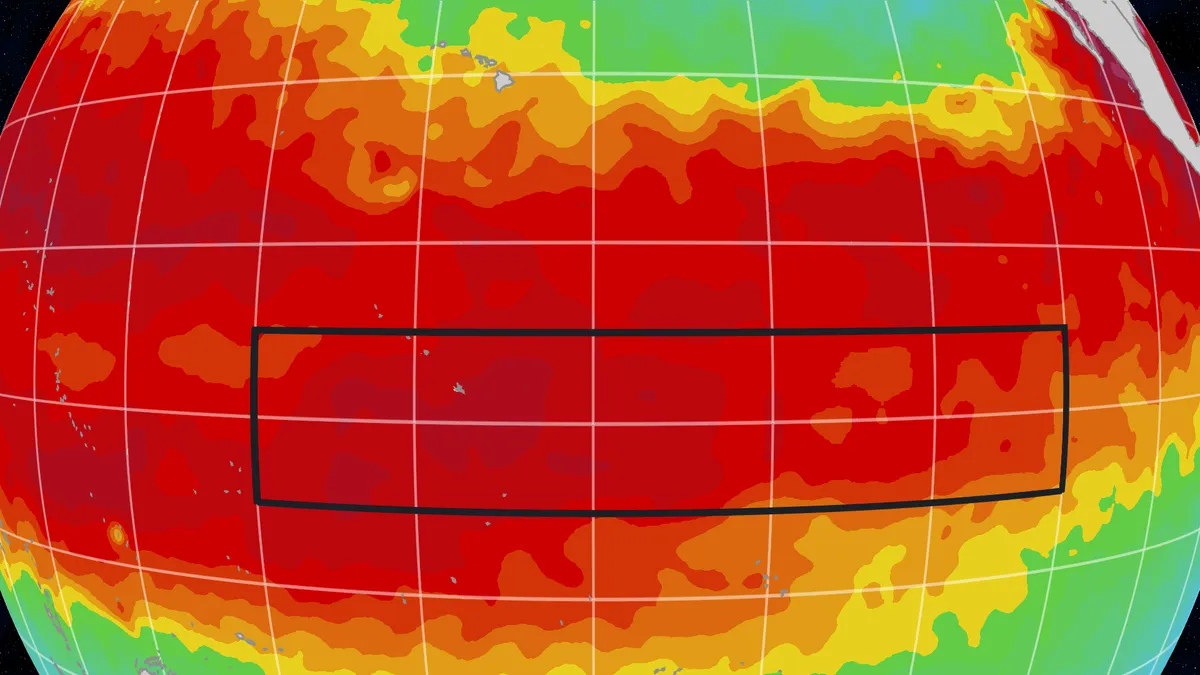
Journey to the center of El Niño: inside NOAA's Pacific watch team
To understand how this monumental El Niño will shape our winter, NOAA has a network of instruments in the Pacific.

Gulf Stream speeding up: What NOAA's new study found
The Gulf Stream is speeding up. Scientists say that's a big dealFor years, the story about Atlantic Ocean currents has been one of slowdown, which will cause irreversible change. A new NOAA study complicates it. Researchers at NOAA's Atlantic Oceanographic and Meteorological Laboratory (AOML) and the University of Miami analyzed 31 years of continuous satellite measurements and found the Gulf Stream weakened for a decade and then sped up for about a decade. Where this happenedThe Gulf Stream is a warm ocean current that originates around the Gulf and Caribbean and pushes warm water to the North Atlantic and Europe. But the behavior of the Gulf Stream was not uniform. Shenfu Dong, an oceanographer at NOAA’s Atlantic Oceanographic and Meteorological Laboratory, mentioned that the shift was "far more dynamic than a simple slowdown narrative. "Long story short, one of the segments of the Gulf Stream, the current upstream leg that moves between Florida and the Bahamas, stayed consistent. But when the stream separates from the coast and runs free in the open Atlantic, that is where the speed-up occurs. Winds speeding up in the North Atlantic allowed the Gulf Stream to speed up.
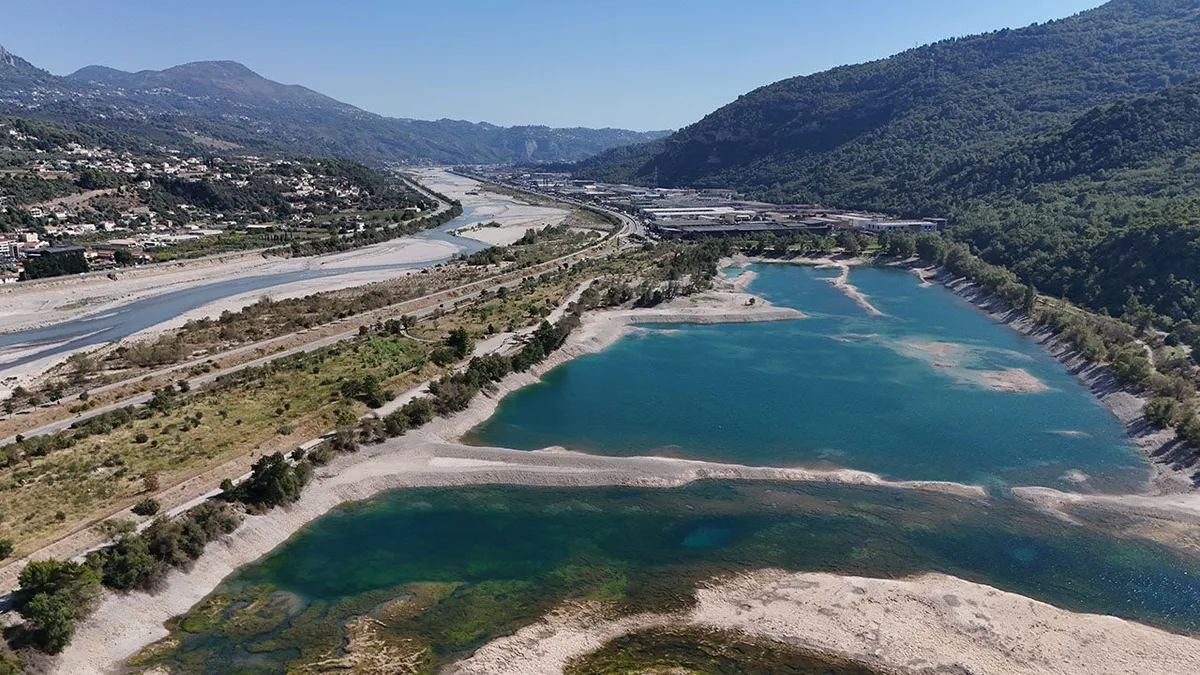
Earth just had its hottest August in 176 years, NOAA said
An aerial view shows low water levels and exposed dry areas at Lac du Broc near Nice in southern France as drought affects the region, on Sept. 3, 2026.(Mohamad Salaheldin Abdelghani Alsayed/Anadolu via Getty Images)Earth had its hottest August dating to the mid-19th century, while the U. S. and Western Europe had a record hot summer, according to two separate just-released government analyses. NOAA's August global climate report found August 2026 topped 2023 and 2024 as Earth's hottest August, with the planet's temperature 2.38 degrees Fahrenheit above the 20th-century average. NOAA global temperature records date to 1850. This graph shows how far above and below average global temperatures were in each August from 1850 through 2026, in degrees Celsius. The red arrow denotes August 2026's global temperature.(NOAA/NCEI)A separate analysis from the European Copernicus Climate Change Service found August 2026 not only was the hottest August, but it also tied for Earth's hottest month with July 2023. Global-average surface air temperature (°C) for 2023 (orange), 2024 (yellow), and 2026 (dark red).
Storm ready: NOAA’s new mobile radar fleet bridges gap between research and weather safety - National Oceanic and Atmospheric Administration (.gov)
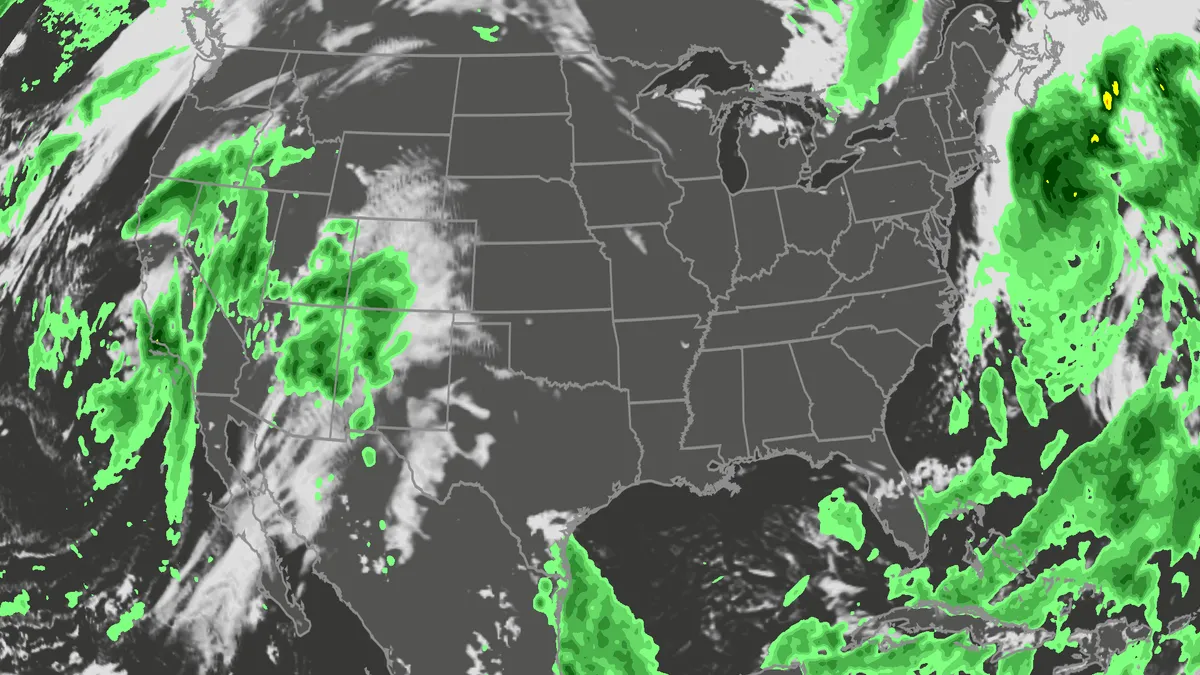
Orionid meteor shower 2026: cloud cover forecast by region
A meteor streaks across the sky over a desert in China during the Orionid meteor shower on Oct. 22, 2023.(VCG/VCG via Getty Images)The Orionid meteor shower is peaking this week, and it promises to be one of the most dazzling displays of the year. And while some of you will have clear skies, rain and clouds could impact the view for others. Here's what you need to know about the Orionids and your forecast:Fast factsPeak day: The meteor shower peaks Wednesday night, Oct. 21, into the early hours of Thursday morning, Oct. 22. Peak time: From midnight to dawn are the best hours to catch the meteors streaking through the sky, so plan on a late night or really early morning. What the Orionids are known for: The Orionid meteors are known for their brightness and their speed. As they streak across the sky at around 41 miles per second, the meteors leave behind a glowing "train" that can last several seconds to minutes. While you can make the perfect plan to catch the Orionids, the key to stellar viewing is still in Mother Nature's hands. The good news is that many of you should have good meteor shower-watching conditions. Much of the central and eastern U. S.
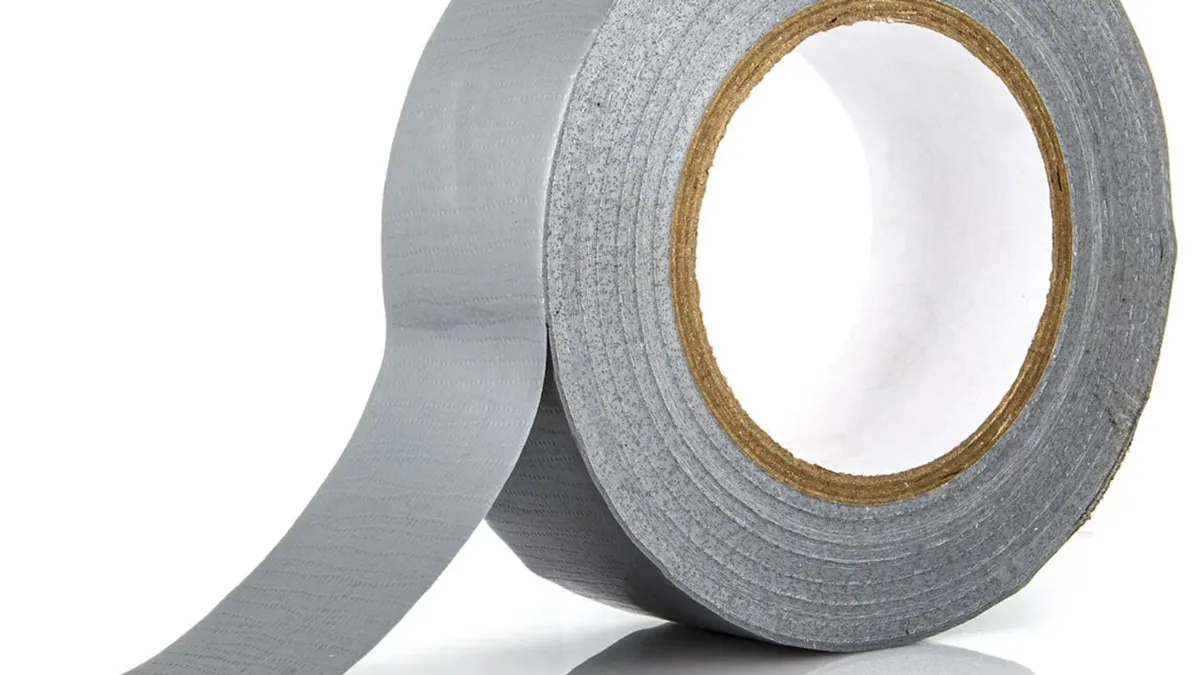
Can duct tape keep out flood water? Here's what lab tests found
(urbanbuzz/shutterstock)Could a cheap roll of duct tape help protect your home from flooding? New research suggests it could make a surprisingly big difference. In controlled tests, correctly applied duct tape on the outside of a household door reduced water leakage by 97-98%. The findings suggest that a simple low-cost measure could substantially reduce the amount of water entering a home during a flood. This is important as one of the key lessons from flood resilience research is that the best time to protect a property is before floodwater arrives. The UK government’s 2025 FloodReady Review called for practical, affordable measures that help households understand their risks and to prepare for flooding. And one potential contribution to this agenda might sound unlikely, at first glance. Duct tape is more commonly associated with household repairs than flood protection. However, tests colleagues and I conducted at the University of Hull demonstrated how much water can enter a property through an unprotected doorway during a flood. Three doors, ready for flood-testing.
0 comments
No comments yet. Be the first to share your thoughts!