Tether CEO aims to allocate up to 15% of its portfolio to gold - Reuters
This story deserves to be shared
Send it to someone who'd care, or post it on your networks.
This article is an excerpt. To read the full content, visit the original source. Reuters
Related articles
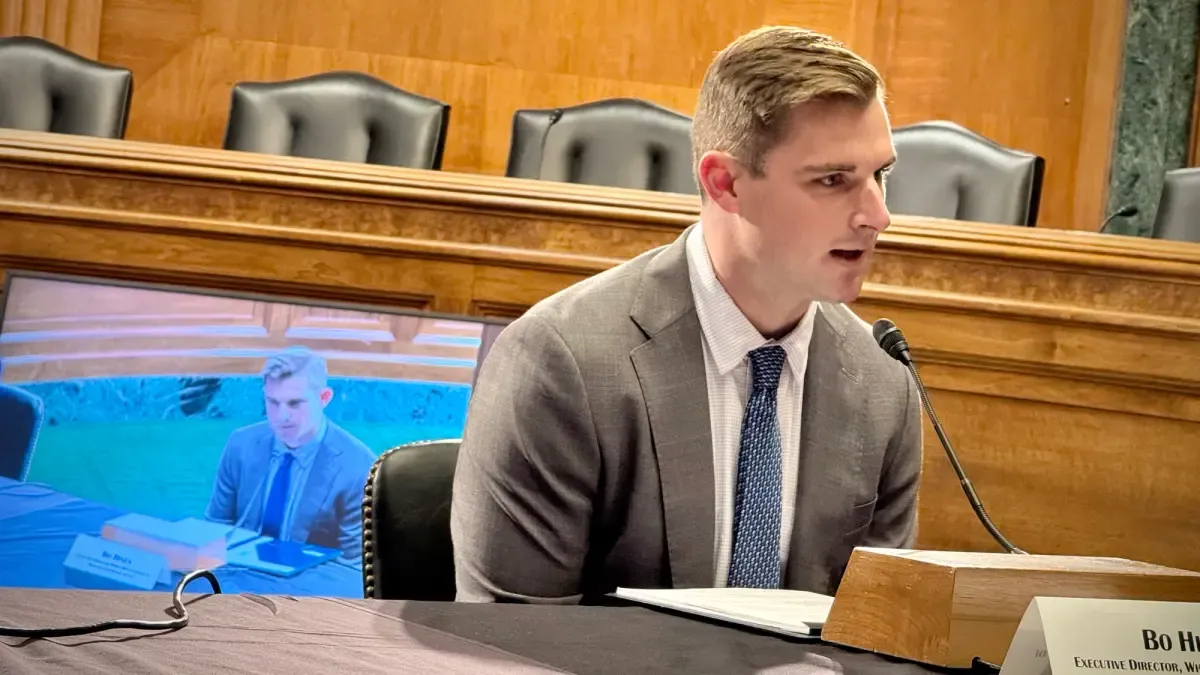
Senate's top Democratic investigator looking into Tether payments to Bo Hines' firm
Skip to main contentCrypto NewsOct 22, 2026, 6:43 p.m. EDT2 min readFormer White House crypto adviser Bo Hines, who is CEO of Tether's U. S. arm, is under scrutiny from a Senate Democrat for payments made to his consulting firm. (Jesse Hamilton/CoinDesk)SummaryU. S. Senator Richard Blumenthal keeps digging into Tether on behalf of the Senate Permanent Subcommittee on Investigations, this time looking at recent reports that a firm owned by former White House crypto adviser Bo Hines took millions while he was still helping shape stablecoin policy. Blumenthal, the ranking Democrat on the subcommittee, sent letters to Tether and the firm, Nxum, that was co-founded by Hines, who took a job as Tether’s top U. S. executive after leaving the White House. U. S. Senator Richard Blumenthal has added another Tether probe to the many irons he has in crypto fires, this time demanding answers about reported payments the company made to a firm owned by Bo Hines — the former White House crypto adviser who is now in charge of the U. S. arm of Tether.

Chip Carbon Footprints Depend on How Fabs Allocate Emissions - Environment+Energy Leader
Chip-level carbon estimates depend on manufacturing processes, yield and shared resources. Buyers need consistent assumptions before using them to rank suppliers. A chip’s carbon footprint is closer to an allocation than a measurement, and the method a supplier chooses can move the number as much as anything happening on the factory floor. A semiconductor maker can know its fab’s total electricity use and greenhouse gas emissions without holding a directly measured figure for any single device it ships.

Federal government closing federal co-working sites to allocate office space to departments - CTV News
AtlanticNova ScotiaNew BrunswickPrince Edward Island Newfoundland and LabradorCalgaryLethbridgeKitchenerGuelphNorthern OntarioSudburyNorth BaySault Ste. MarieTimminsOttawaKingstonBrockvillePembrokeReginaYorktonSaskatoonPrince AlbertTorontoWatchWeatherPeelHamiltonDurhamYorkHaltonNiagaraQueen's ParkToronto City HallIn PicturesVancouverVancouver IslandCanadaLocal SpotlightRoyal FamilyPoliticsNanosPower PlayQuestion PeriodFederal Election 2025WorldMideast ConflictRussia-Ukraine WarWatchLatestCaptured on CameraPoliticsLifestyleConsumerHealthExplainedEntertainmentTechnologyDeception DecodedAutosEnvironmentBusinessInflationReal EstateAutos

Sweden’s central bank revives e-krona debate as stablecoins and digital euro loom
SummarySweden’s central bank warns foreign stablecoins and a digital euro risk eroding krona demand. The Riksbank sees an e-krona as critical to securing national payments and monetary control. Lawmakers have yet to approve the e-krona, which would take at least five years to launch. Sweden’s central bank is calling for lawmakers to reconsider a digital krona, warning that foreign-currency stablecoins and a planned digital euro could erode the currency’s role in payments. An e-krona would give the public access to central bank money in digital form. A 2023 government inquiry found too little need for one, but the Riksbank says changes in how people pay and growing security risks may warrant a new review. “If our cash becomes digital and Swedish kronor are not available in a usable digital form, then the krona may not be able to compete with other, more convenient digital payment instruments that can easily be used across borders,” Deputy Governor Per Jansson told Reuters on the sidelines of a conference. The Riksbank hasn’t taken a position on issuing one, but wants lawmakers to start preparing legislation now, since the work would take at least five years.
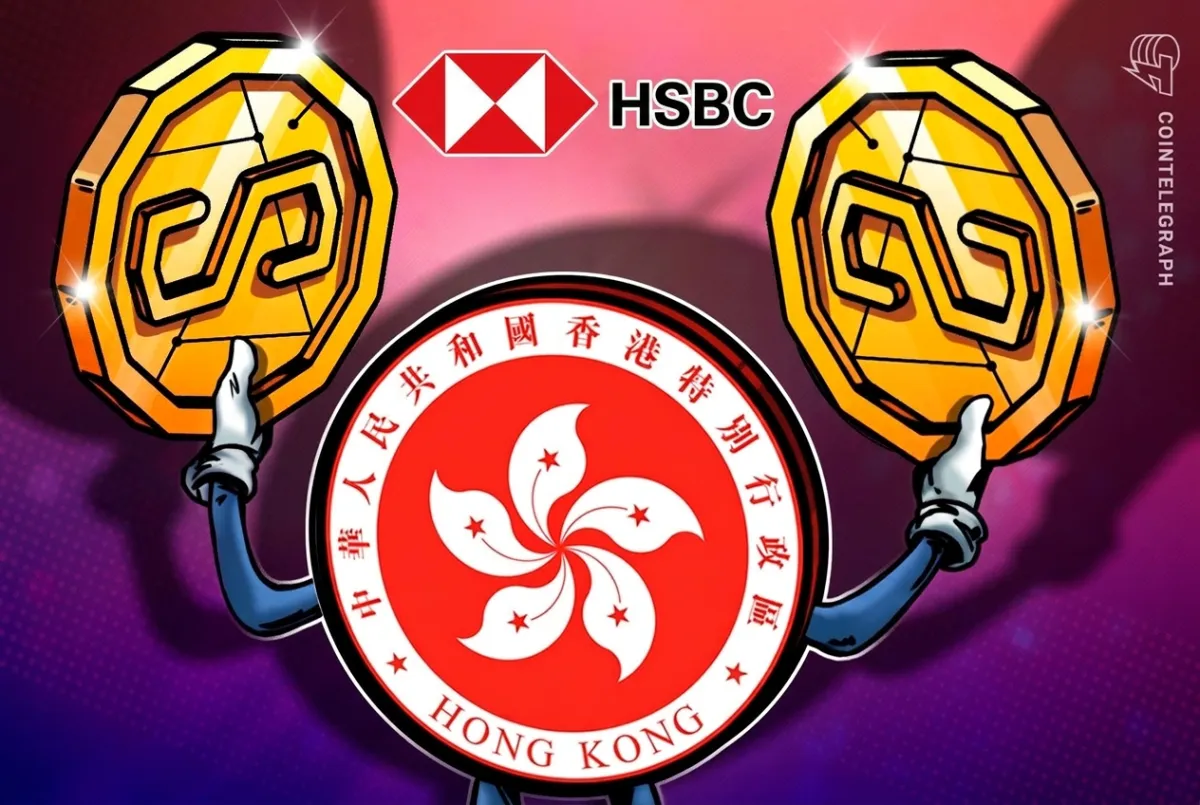
HSBC launches Hong Kong dollar stablecoin for retail payments
HSBC is rolling out RedCoin wallets to PayMe users, with plans to support tokenized investment subscriptions and expand into institutional uses. HSBC has launched its first Hong Kong-dollar stablecoin, RedCoin (RCHKD), for transfers and merchant payments through its PayMe app. More than 3.3 million PayMe users will be able to activate stablecoin wallets in the app in the coming days, the bank announced Friday. RedCoin is designed to be redeemable one-for-one for Hong Kong dollars. HSBC Digital Assets Custody provides safekeeping services for the stablecoin. The consumer rollout follows Anchorpoint’s rollout of its HKDAP stablecoin through HashKey Exchange in August, which initially targeted eligible institutions and professional investors. HSBC received its stablecoin issuer license in April, alongside Anchorpoint Financial, a joint venture backed by Standard Chartered, Animoca Brands and HKT. The two were the first companies approved under Hong Kong’s stablecoin regulatory framework.

India's largest exchange denies hack after sleuths pointed to $16 million in suspicious outflows
Updated Oct 23, 2026, 4:04 a.m. EDTPublished Oct 23, 2026, 4:02 a.m. EDT3 min readCoinDCX denies hack after blockchain analysts flag suspicious flows. (Naveed Ahmed/Unsplash)SummaryCoinDCX denied that its active wallets were compromised after blockchain investigators flagged about $16 million in suspicious outflows from addresses linked to the Indian crypto exchange. The exchange said the transactions involved addresses compromised in a July 2025 hack, but an investigator said at least one continued to receive deposits and interact with CoinDCX’s current wallet into 2026. CoinDCX acknowledged that a temporary failure in its process for moving deposits from retired addresses caused operational losses, which it absorbed after crediting affected users. India's largest crypto exchange, CoinDCX, has denied that its active wallets were compromised, after blockchain sleuths flagged about $16 million in suspicious outflows from wallets linked to the exchange. “The transactions mentioned in recent claims involve old wallet addresses created in January 2025. These addresses were compromised in July 2025 and have not been used by CoinDCX since.
0 comments
No comments yet. Be the first to share your thoughts!