Testosterone changes linked to emotional distress in pubertal girls - Contemporary Pediatrics
This story deserves to be shared
Send it to someone who'd care, or post it on your networks.

News|Articles|October 19, 2026 Key Takeaways Testosterone changes linked to emotional distress: Greater increases in testosterone levels between ages 10 and 12 were associated with more symptoms of depression and anxiety in girls, even after accounting for other pubertal hormones.
Hormonal changes may be more predictive than physical maturation: The study found that hormonal fluctuations were more closely associated with emotional difficulties than visible signs of puberty, suggesting vulnerability may emerge before physical changes become apparent.
This article is an excerpt. To read the full content, visit the original source. Contemporary Pediatrics
Related articles
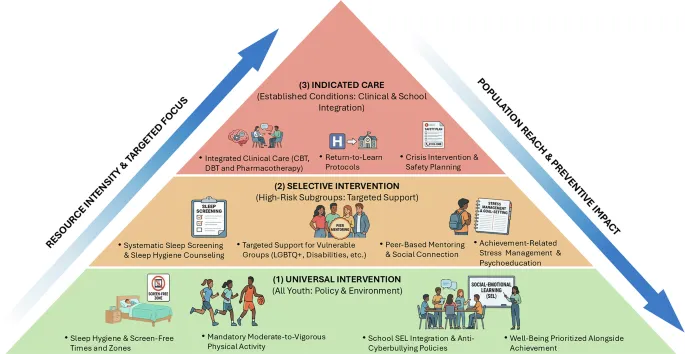
Young minds in distress: Exploring the global rise in youth mental health diagnoses - Nature
IntroductionThe transition from childhood to adulthood represents a critical developmental window marked by a neurobiological “mismatch” between early-maturing affective systems and the prolonged maturation of prefrontal networks involved in top-down cognitive control [1]. While limbic regions such as the amygdala mature relatively early, prefrontal circuitry continues to refine its structural and functional connectivity through adolescence and young adulthood. This developmental gap creates a period of heightened neuroplasticity and vulnerability, during which environmental stressors and protective factors exert a disproportionate influence on long-term psychiatric trajectories [2]. Accordingly, the peak age of onset for mental disorders is approximately 14.5 years [3], with nearly half of all lifetime cases emerging by age 20 [4]. Epidemiological evidence accumulated over the past two decades indicates a marked global increase in youth mental disorders [5, 6].
Eco-Anxiety and Climate Distress - Mental Health Commission of Canada

Fertility After Childhood Cancer Linked to Pubertal Hormone Levels - EMJ
FERTILITY after childhood cancer was associated with reproductive hormone levels during puberty in a cohort study of 221 male survivors, with testicular radiotherapy linked to persistent testicular impairment and evidence of hormonal recovery after intermediate-dose alkylating chemotherapy. The findings suggest that monitoring reproductive hormones during adolescence could help identify survivors who may benefit from early fertility counselling. Researchers investigated the relationship between pubertal hormone levels, previous cancer treatment, and adult testicular function. The cohort included male survivors diagnosed with cancer before the age of 17 years between 1964 and 2000.
0 comments
No comments yet. Be the first to share your thoughts!