Tech majors commit billions of dollars to India at AI summit - Reuters
This story deserves to be shared
Send it to someone who'd care, or post it on your networks.
This article is an excerpt. To read the full content, visit the original source. Reuters
Related articles
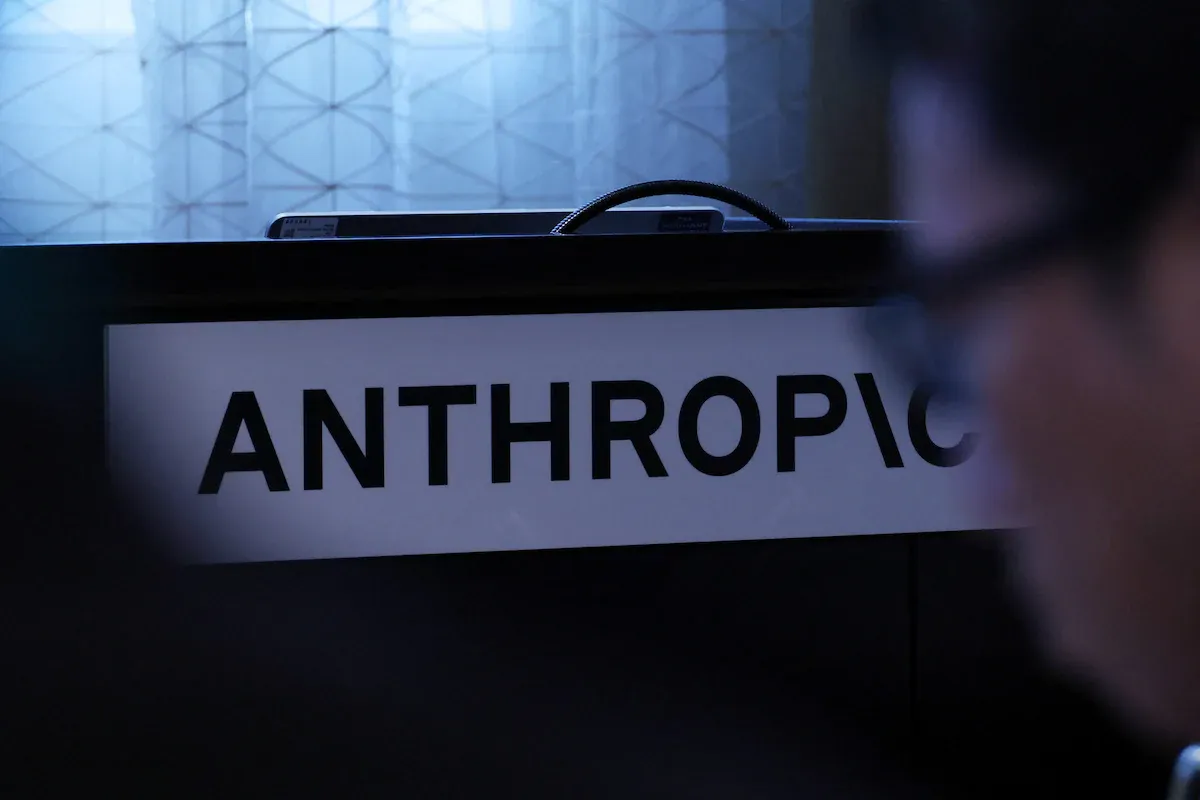
Anthropic to commit 5% stake to new ‘public benefit fund’
Open this photo in gallery:Anthropic's logo is displayed at the company's Tokyo office. The Claude developer is planning one of the biggest IPOs in history as a public benefit corporation. Kim Kyung-Hoon/ReutersAI lab Anthropic, the developer of Claude, said on Sunday it will commit 5 per cent of its shares to a new public benefit fund so it has increased flexibility and scale to make donations for the “public good.”The proposed fund would be established as a wholly owned limited liability company and would receive an additional 2 per cent of Anthropic’s shares, at the board’s discretion, for every 50-per-cent increase in the company’s value above a baseline that has yet to be disclosed. The move comes at a time when Anthropic is planning one of the biggest IPOs in history as a public benefit corporation, a legal structure that requires management to consider certain broader interests as well as turning a profit for investors. It also comes against the backdrop of concerns around AI safety, following security breaches by AI systems and dire warnings from industry heads about the possibility of severe, even existential, risks of runaway AI development.

5 Questions to Stop News Feeds From Managing Your Money
True financial wisdom requires stepping back from headline news to balance the genuine risks with your own long-term perspective.
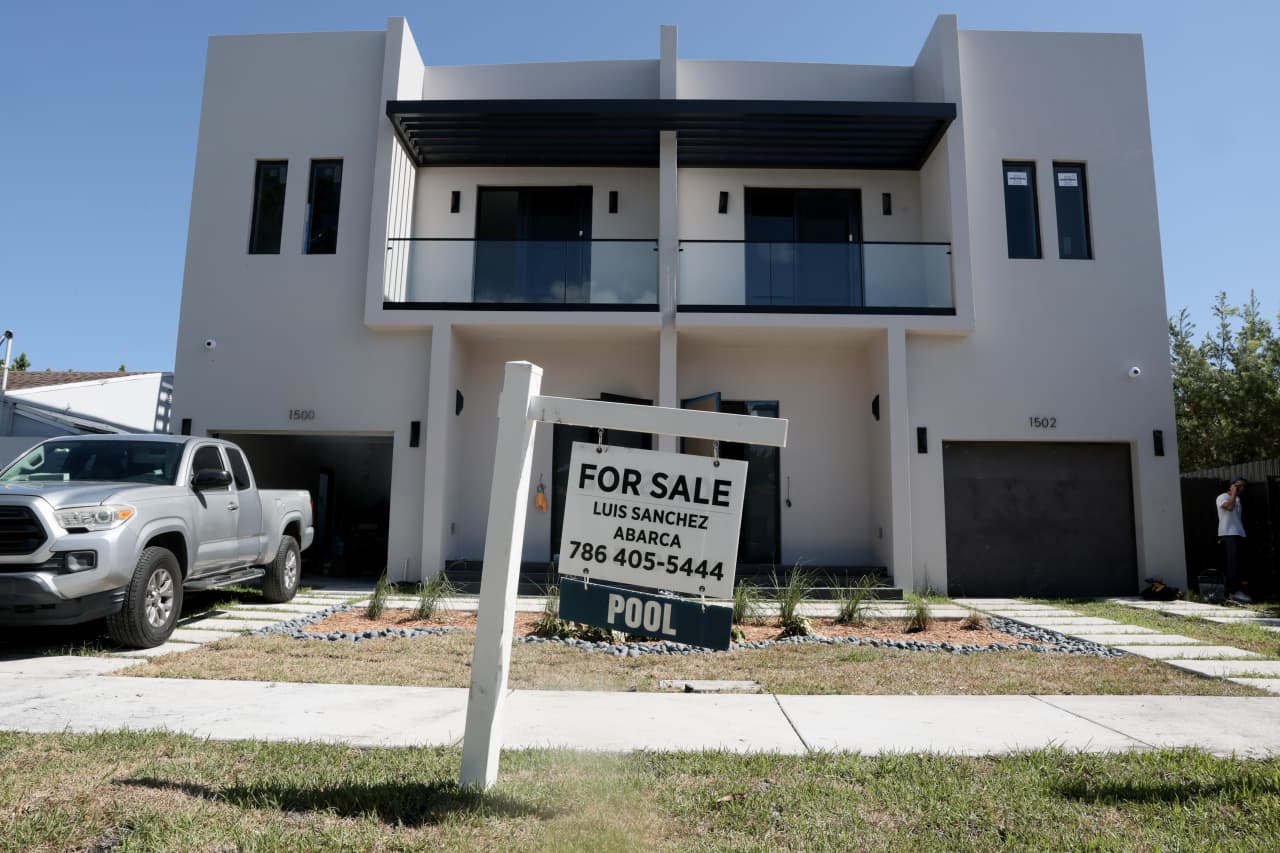
Meet the home buyers totally unfazed by 7% mortgage rates
Individual investors and second-home buyers accounted for 1 in 5 home purchases in September — the highest share in a little over a year.
Made an ‘honest’ mistake with crypto taxes? New bill offers way out
Crypto investors who failed to report trades in previous years may soon breathe a sigh of relief thanks to legislation currently advancing in the US Congress. Section 502 of the Digital Asset Tax Certainty Act, H. R. 10357, would require the Treasury secretary to establish a Digital Asset Voluntary Disclosure Program within 12 months of the bill becoming law. That would allow eligible taxpayers to correct any past digital asset tax violation by filing amended returns and paying the tax owed, along with interest and a program penalty. The House Ways and Means Committee approved the bill by a 38-5 vote on Sept. 16, but it has not become law yet; it still has to pass the House and Senate and be signed by the president. “It’s a big change that would help a lot of ordinary taxpayers, and it has gotten very little attention,” Andrew Gordon, executive director of Digital Asset Tax Action, tells Magazine. A gap in the systemCrypto investors in the US are already grappling with the first filing season under the new 1099-DA broker reporting rules, which give the IRS greater visibility into crypto transactions.
Micron and other chip stocks spring back to life after bruising selloff
It’s a key week for tech stocks as Nvidia gears up for a European conference and Meta prepares to report earnings.

Public companies object to OKX-ICE’s tokenized stock plan
Nine listed companies have formally objected to having their shares offered in tokenized form on the proposed tokenized stock platform backed by OKX and Intercontinental Exchange (ICE), the parent company of the New York Stock Exchange (NYSE). The companies included Cerebras Systems, AppLovin, Applied Digital, Rocket Lab, CoreWeave, Verizon Communications, Applied Optoelectronics, Broadcom and UnitedHealth Group, according to a Thursday notice by OKX and ICE. The notice did not disclose the reason behind the objection. Under the Securities and Exchange Commission’s Sept. 17 innovation exemption announcement, tokenized venues must give issuers written notice and an opportunity to object before listing third-party tokenized stocks. “Issuers aren’t objecting to the blockchain. They’re objecting to not knowing what happens to their price once it trades there,” Robin Nordnes, CEO of trading validation platform Raiku, told Cointelegraph. “On a public chain, the validator building the block sets the order.
0 comments
No comments yet. Be the first to share your thoughts!