Strive closes $630M SATS IPO, leaves Bitcoin allocation unspecified
This story deserves to be shared
Send it to someone who'd care, or post it on your networks.

Strive, the Bitcoin treasury company led by chairman and CEO Matt Cole, closed its upsized initial public offering of SATS preferred stock on Oct. 20, raising $630 million gross, according to the company’s announcement. The company has not specified how much of the proceeds it will use to buy Bitcoin (BTC). Strive sold 7 million shares at $90 each. The company estimated net proceeds of $608.15 million after underwriting discounts, commissions and expenses, according to BitcoinTreasuries.net. In an SEC filing, Strive said it intended to use the funds for general corporate purposes, including Bitcoin purchases, working capital, income-generating assets, capital expenditures, share repurchases and acquisitions. SATS carry a 15% annual dividend on its $100 stated amount, equivalent to $15 per share annually if paid in full. Dividends are cumulative and payable when declared by Strive’s board. At the $90 IPO price, the stated dividend represents an annualized amount equal to 16.67% of the purchase price. At an illustrative Bitcoin price of $82,500, Strive’s estimated $608.15 million in net proceeds could purchase approximately 7,372 BTC before fees.
This article is an excerpt. To read the full content, visit the original source. Cointelegraph
Related articles
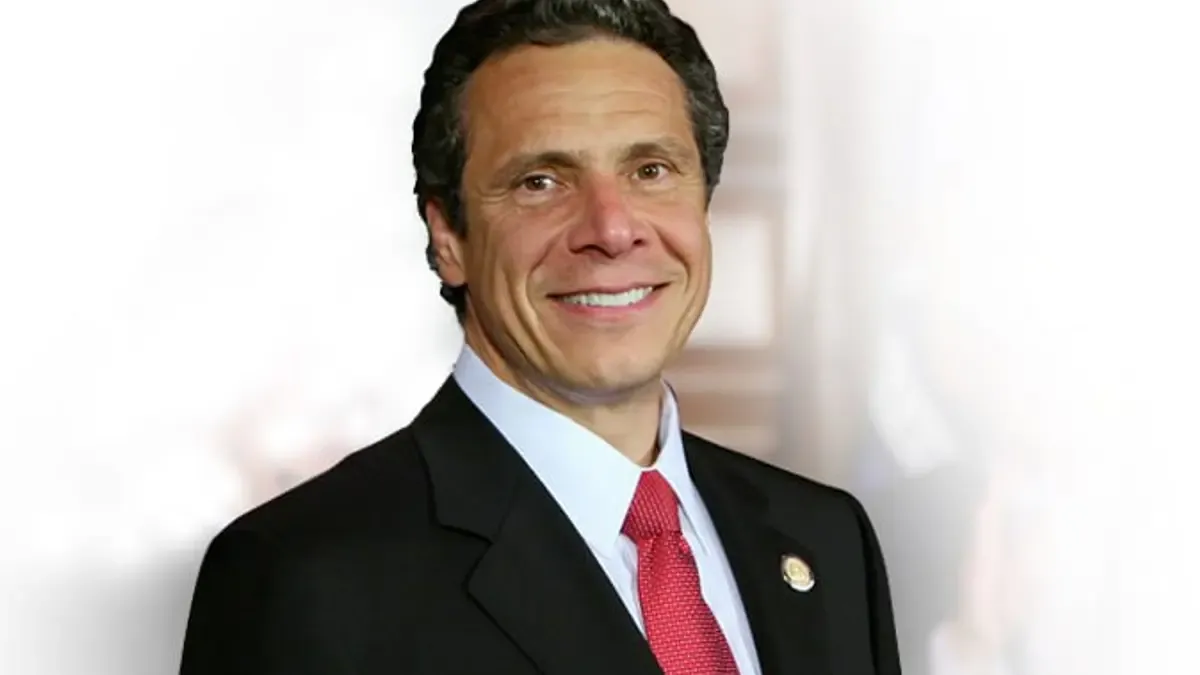
OKX-ICE’s Andrew Cuomo calls issuer objections a ‘natural response’ to tokenized stock plans
Oct 20, 2026, 2:26 p.m. EDT3 min readAndrew Cuomo, co-chair of OKX-ICE and board member of OKX (OKX)SummaryOKX-ICE co-chair Andrew Cuomo called issuer objections to tokenized stock trading a “natural response,” saying companies were expected to take a wait-and-see approach. Sixteen companies, including Microsoft, Alphabet and Goldman Sachs, have objected to trading on the planned venue under the SEC’s experimental framework. Securitize and Vertalo executives said issuers need answers about pricing, investor protections, custody and shareholder rights as the new markets develop. A growing list of companies rejecting tokenized trading of their shares is an expected part of testing a new market structure, Andrew Cuomo, co-chairman of the OKX-ICE joint venture, said after Microsoft, Alphabet and Goldman Sachs joined the objectors. “This is a very natural response,” Cuomo, an OKX board member and former New York governor, said during a press call on Tuesday.

Here’s what matters most to Tesla investors heading into earnings
Financial results are somewhat of a sideshow for an investor base eagerly awaiting updates on robotaxis, robots — and the cost of all that.

Housing is flashing warning signs just as the Fed weighs more interest rate hikes
Housing data deteriorated further in September, according to separate reports Tuesday.

U.S. food importer sues to block Trump’s new tariffs on Canada
Open this photo in gallery:A transport truck crosses the Ambassador Bridge into the U. S., in Windsor, Ont., this summer. The Trump administration has imposed Section 338 tariffs on Canada, citing discriminatory trade practices. Dax Melmer/The Canadian PressA food importer on Tuesday sued to stop the Trump administration’s latest tariffs on imports from Canada, saying that the duties represent another attempt to claim an unfettered presidential tariff power that has been roundly rejected in court. Republican President Donald Trump imposed 50-per-cent tariffs on a wide range of Canadian imports over the summer in response to what his administration called Canada’s discriminatory treatment of U. S.-made cars, alcohol and dairy goods. In imposing the tariffs, Trump invoked Section 338 of the Tariff Act of 1930, marking the law’s first known usage in nearly a century of existence. The lawsuit, filed by the legal nonprofit Liberty Justice Center on behalf of food importer Gellert Global Group in the U. S. Court of International Trade, says that Trump has used shifting legal rationales and dusted off never-used U. S.

Investors’ search for safety has made toothpaste stocks more expensive than tech
Wall Street is fleeing tech for toothpaste and shampoo. Even those stocks are getting expensive.
0 comments
No comments yet. Be the first to share your thoughts!