Silent speakers of Indigenous languages in Canada: A socio-demographic and geographic analysis - Statistique Canada
This story deserves to be shared
Send it to someone who'd care, or post it on your networks.
This article is an excerpt. To read the full content, visit the original source. Statistique Canada
Related articles
Lake Ontario will remain Lake Ontario at Canadian Geographic - Canadian Geographic
Lake Ontario will remain Lake Ontario at
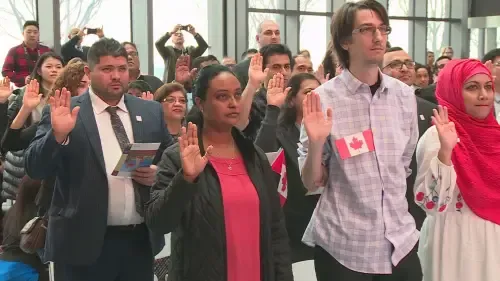
Demographic changes are reshaping Canada’s economy - Global News
Police investigate students’ online behaviour Cooking Together: Richmond restaurant named best in North America
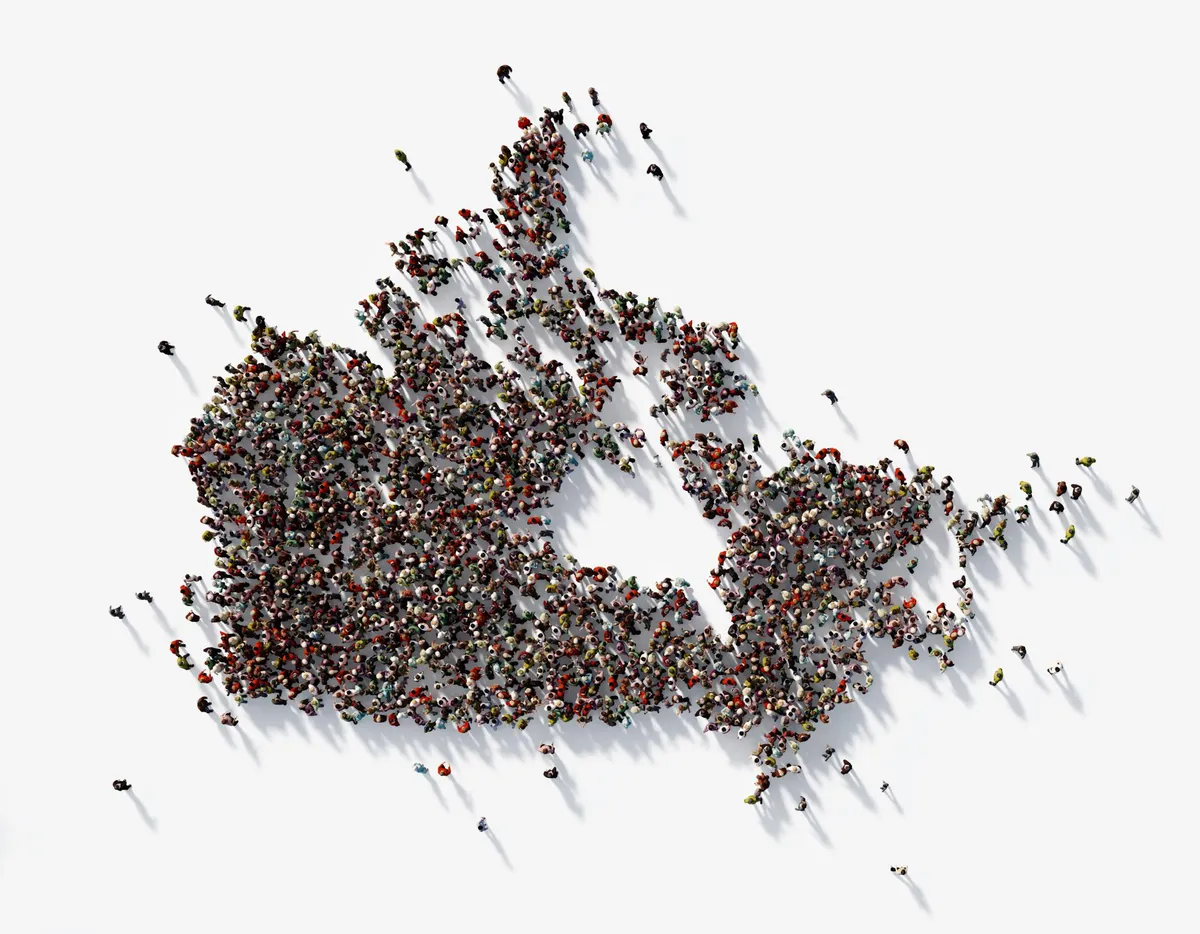
Demographic changes are reshaping the Canadian economy - Bank of Canada
Our population is aging and fewer immigrants are arriving. Together, these changes are reshaping our economy. The changes affect how many people are working, what people consume and how much the economy can produce. For more than 150 years, Canada’s population grew every single year. In 2025, population growth slowed to just 0.5%—the slowest rate of growth in more than a century. And it wasn’t a one-off. Slowing population growth is part of an emerging trend that will reshape how our entire economy works.
Demographic Implications of the 2026-2028 Immigration Levels Plan - Parliamentary Budget Officer
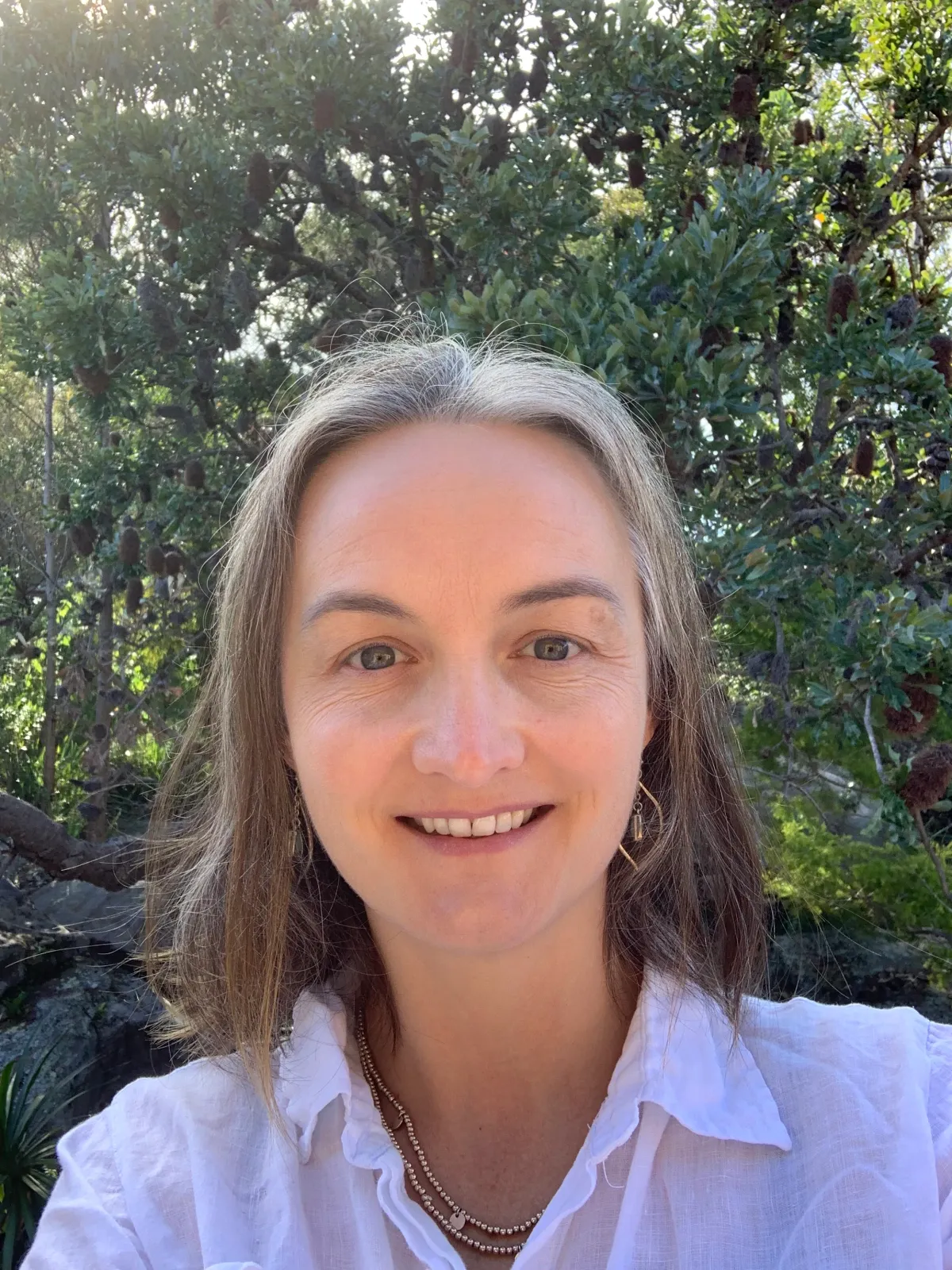
Keynote Speakers - University of Waterloo
Dr. Kristen Splinter (she/her) is a Professor and Managing Director of the Water Research Laboratory at UNSW Sydney, Australia. Originally from Canada, her research focuses on understanding and predicting how coastlines change, from individual storms through to long-term coastal evolution. She works across shoreline monitoring, coastal erosion and recovery, remote sensing, and the development of next-generation coastal prediction models that combine physical understanding with data-driven and machine learning approaches. Kristen is a member of the leadership team of the ARC Centre of Excellence for Our Future Oceans, where she contributes to interdisciplinary research supporting the resilience of coastal and marine environments. Her work is driven by a belief that better coastal futures depend on bringing together diverse knowledge, observations, and technologies to improve our understanding of dynamic coastal systems. She is also co-founder of Comomola (COastal MOrphodynamics and Machine LeArning), an international network connecting coastal scientists and machine learning researchers around the world.
0 comments
No comments yet. Be the first to share your thoughts!