Should we care about art at a time like this? - ArtsHub
This story deserves to be shared
Send it to someone who'd care, or post it on your networks.
This article is an excerpt. To read the full content, visit the original source. ArtsHub
Related articles
MassArt Graduate Assistantships Provide Hands-On Experience to Launch Your Career
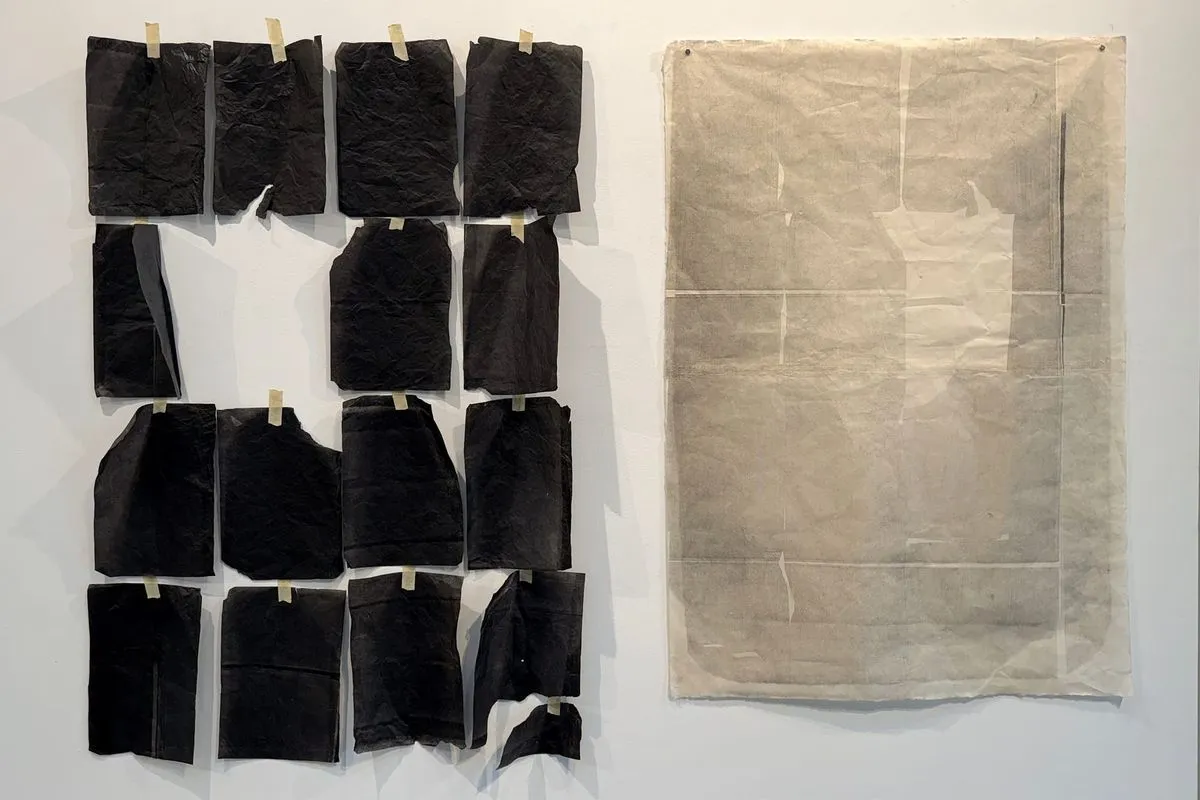
MassArt’s Graduate Assistantships support students’ interests and professional development beyond graduation. MassArt Graduate programs structure robust assistantship offerings each semester for its graduate student population. The assistantships are paid opportunities that build professional and academic experience while supporting teaching, research, studios, galleries, and administration. Intended to be more than jobs, they provide mentorship and wider connection to the college, outside of a student’s specific grad program. Current student, Lucy Bennett (MFA Studio Arts ‘27), describes their assistantships as “such an important extension of my MFA experience. Through my teaching assistantships, I’ve been able to work alongside faculty and undergraduate students and see how different artists approach making, problem-solving, and learning.

Our Friends in the North: The Thatcher Years review – old pals back on the toon as TV series gets squished
The four thwarted, postwar north-eastern dreamers created by dramatist Peter Flannery have now played more than a whole day of drama across different formats. The 1982 RSC world premiere of Our Friends in the North featured almost four hours in the lives of lawyer-councillor Mary, drifting philanderer Tosker, photo-journalist Nicky and petty criminal Geordie. The award-winning 1996 BBC Two version ran 10 hours, as did the 2022 Radio 4 adaptation. Now Flannery brings the quartet home to the stage and to Newcastle (where the first version toured) in another play. Starting in 1964, with Labour PM Harold Wilson promising a new Britain, the first stage version ended in 1979, as Margaret Thatcher’s victory heralded a rightwing transformation. Exploiting the way that saga dramas test characters against landmark events, the TV version took them to 1995 (brink of Blair) and the radio one to 2020 (Boris Johnson and Covid). It would be intriguing to know if the idealism of these now triple-locked pensioner characters burns again under Burnham, but Flannery has tracked back to 1979-85, adapting the sixth (Thatcher in) and seventh (miners out) TV episodes. Epic courtship …

A grieving female elephant carrying a stillborn baby: Federico Veronesi’s best photograph
My love of African animals, in particular elephants, dates back to when I was three or four years old, growing up in Milan in a house full of old nature books. When I was six, my parents took me on my first safari in Kenya – I cried on the plane home, feeling I was being torn away from the savanna I’d dreamed of, somewhere I really loved. But for the past 20 years, that’s where I’ve lived, guiding photographers on the Maasai Mara National Reserve and elsewhere in Africa. I’ve spent time photographing other animals, especially big cats, but elephants are still my favourite subject. They have this extraordinary presence, dominating the landscape and making it come alive. I love to follow them in different habitats. They are extremely adaptable – in Kenya they’re associated with the savanna and acacia woodland, and they can also live in extremely arid areas, such as the deserts of Namibia, where this photograph was taken. I was there last September, guiding a group of photographers. We had been following a group of elephants walking along a dry riverbed as night fell.
Youthful Edward Hopper Oil Paintings Revealed to Be Copies of Other Artists’ Work
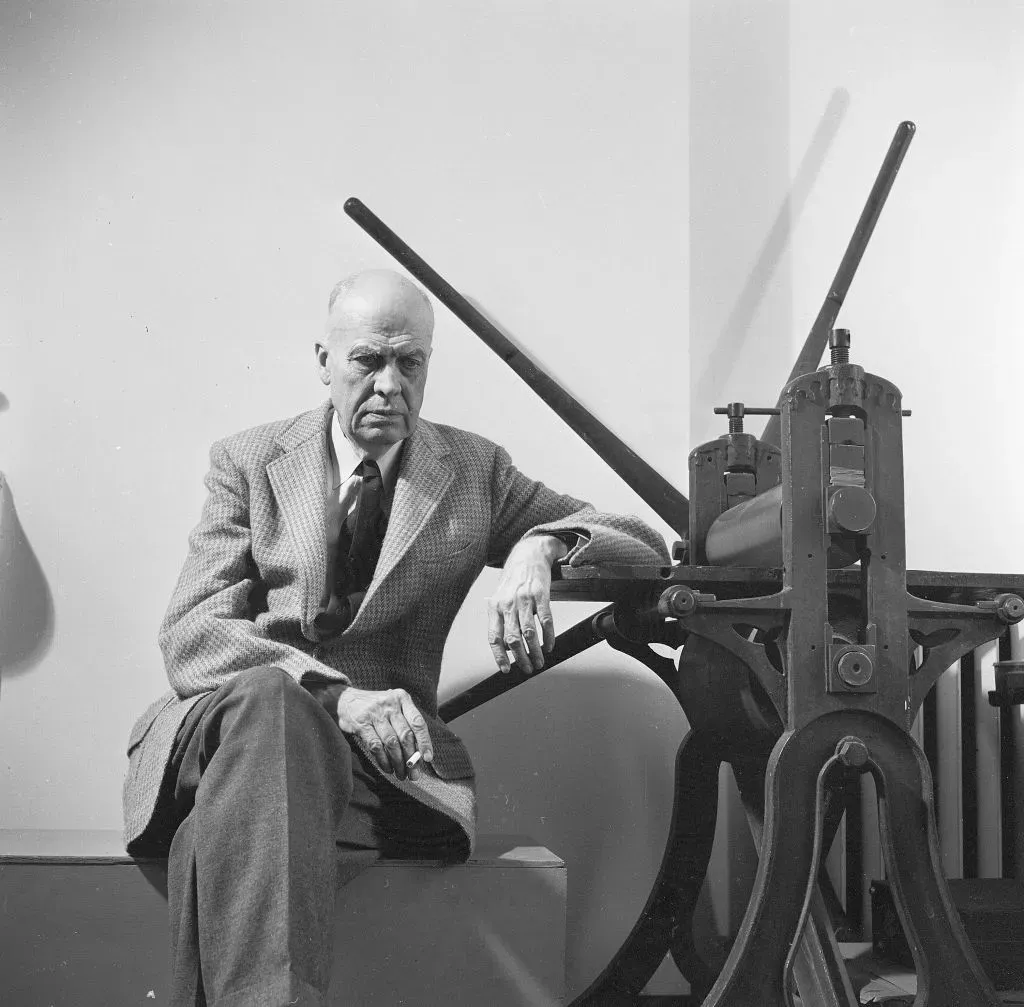
An excerpt from Louis Shadwick’s new Edward Hopper biography, published in the Art Newspaper Tuesday, reveals that all six of the artist’s early oil paintings are in fact copies of other artists’ works, rather than Hopper’s own original compositions. Hopper made the paintings in a studio in his family’s home in Nyack, New York, when he was a teenager, before attending art school in New York City. The works were discovered in the attic of Hopper’s childhood home in the late 1960s, after the artist’s death, by the Reverend Arthayer R. Sanborn. Sanborn, a Baptist minister, lived down the street from Hopper’s family and had cared for Hopper’s sister and wife. He somewhat controversially acquired a trove of Hopper memorabilia—letters, photographs, notebooks, and the like—along with early paintings and drawings, from the Hopper house in Nyack as well as the couple’s Greenwich Village apartment. Much of this archive is now owned by the Whitney Museum of American Art.
Basquiat’s Long-Unseen Riff on Leonardo da Vinci To Lead Christie’s 21st Century Evening Sale With $30 M. Estimate
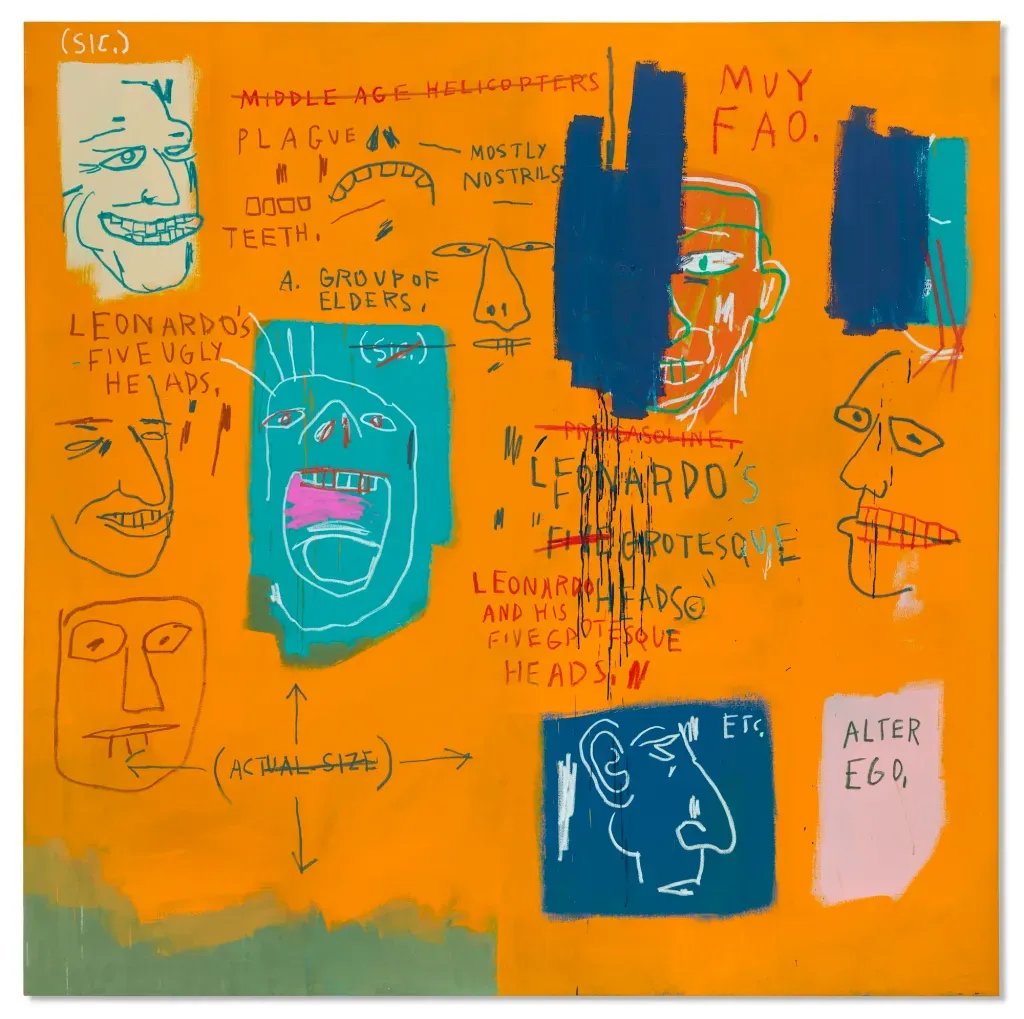
The re-emergence of a long-unseen Jean-Michel Basquiat masterpiece is a miracle the art market occasionally performs. Christie’s announced Tuesday that one will appear at its 21st Century Evening Sale this fall. Untitled (Leonardo and His Five Grotesque Heads) will make its first public appearance in more than two decades when it leads Christie’s 21st Century Evening Sale in New York on November 19, having surfaced from a “distinguished” private European collection. The estimate is “in the region of” $30 million, according to the announcement.
Düsseldorf Galleries Sign Open Letter Against Far-Right Political Party’s Attempts to ‘Co-Opt’ Joseph Beuys
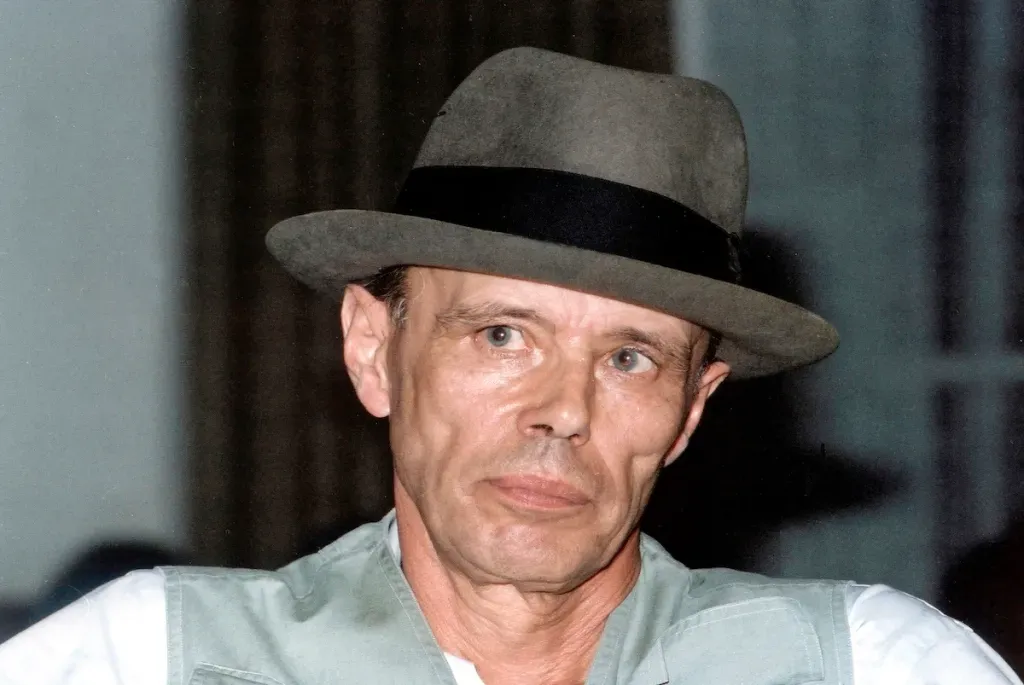
More than 30 galleries based in Düsseldorf, Germany, signed an open letter last week that called out the far-right Alternativ für Deutschland (AfD) party for its attempts to “instrumentalize Düsseldorf’s art and cultural history to serve a political narrative that promotes social exclusion.” Published on October 15 and initiated by Daniela Horn, the founder of Van Horn gallery, the letter centers around an event that was initially set to be staged at the city’s Heinrich Heine Institute on October 26. That event, titled “Culture Policy from the Right!,” will no longer happen at its intended venue, however, because of what Frankfurter Allgemeine Zeitung called “organizational reasons,” citing a Düsseldorf city official.
0 comments
No comments yet. Be the first to share your thoughts!