Shipping Crisis Forces Asian Crude Buyers to Use Smaller Tankers - Crude Oil Prices Today | OilPrice.com
This story deserves to be shared
Send it to someone who'd care, or post it on your networks.
Record-high freight costs are changing the behavior of Asian buyers who are increasingly using smaller tankers and ships under long-term charter deals to pick crude oil supply, refining and trading sources tell Reuters. The costs of shipping crude oil have soared to record highs in recent weeks as the Iran war reshuffled trade routes and patterns and tied up more supertankers in inefficient and lengthy voyages and on a shuttle service to move crude through the Strait of Hormuz. The increased oil flows from the Strait of Hormuz, mostly thanks to ship-to-ship (STS) transfers in the Gulf of Oman, are tying up supertankers for weeks waiting for the transfers outside the Strait, limiting the availability of very large crude carriers (VLCCs) for the other global key oil trade routes, such as the U. S. Gulf Coast to Asia. As a result, tanker costs are spiking and increasingly influencing the buying and sourcing decisions of refiners in both Asia and Europe. In Asia, for example, refiners have to pay record-high freight costs to receive a cargo of crude oil from the U. S. Gulf Coast. This has effectively shut the U. S. Gulf Coast to Asia arbitrage.
This article is an excerpt. To read the full content, visit the original source. Crude Oil Prices Today | OilPrice.com
Related articles
Oil Prices Fall as Trump Considers Easing Sanctions on Shadow Fleet Tankers - Crude Oil Prices Today | OilPrice.com
Crude oil prices retreated from yesterday’s highs earlier today, on the news that President Trump was considering lifting sanctions on tankers used to transport oil and fuels from Venezuela, Russia, and Iran in a bid to ease a deepening tanker crunch. At the time of writing, Brent crude was trading at $104.39 per barrel, after earlier in the week it topped $106, while West Texas Intermediate was trading at $94.02 per barrel, after yesterday it climbed close to $96 per barrel. The war in the Persian Gulf has tightened the availability of tankers because of the surge in ship-to-ship transfers off the coast of Oman, outside the Strait of Hormuz. As a result, tanker rates are running at record highs, also factoring in the risk of a drone or missile strike from Iran. Amid these developments, Reuters earlier today cited an unnamed U. S. official as saying that the U. S. federal government was contemplating the easing of sanctions on some vessels from the so-called shadow fleet in order to bring those record tanker rates down. If any shippers want to use a sanctioned tanker, per the report, they would have to apply for that to the U. S. Treasury Department.

Japan exports post huge miss in September as growth slows to 16.7% - CNBC
LivestreamWatchlistSIGN INCreate free account
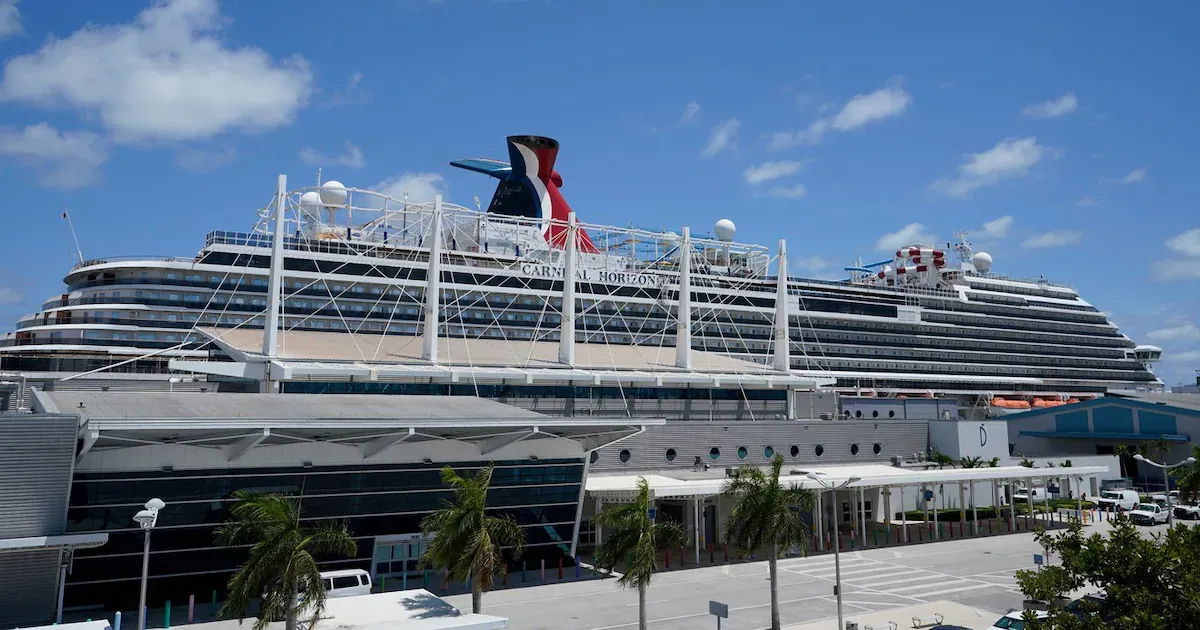
Major cruise line to introduce dynamic pricing - CTV News
AtlanticNova ScotiaNew BrunswickPrince Edward Island Newfoundland and LabradorCalgaryLethbridgeKitchenerGuelphNorthern OntarioSudburyNorth BaySault Ste. MarieTimminsOttawaKingstonBrockvillePembrokeReginaYorktonSaskatoonPrince AlbertTorontoWatchWeatherPeelHamiltonDurhamYorkHaltonNiagaraQueen's ParkToronto City HallIn PicturesVancouverVancouver IslandCanadaLocal SpotlightRoyal FamilyPoliticsNanosPower PlayQuestion PeriodFederal Election 2025WorldMideast ConflictRussia-Ukraine WarWatchLatestCaptured on CameraPoliticsLifestyleConsumerHealthExplainedEntertainmentTechnologyDeception DecodedAutosEnvironmentBusinessInflationReal EstateAutos
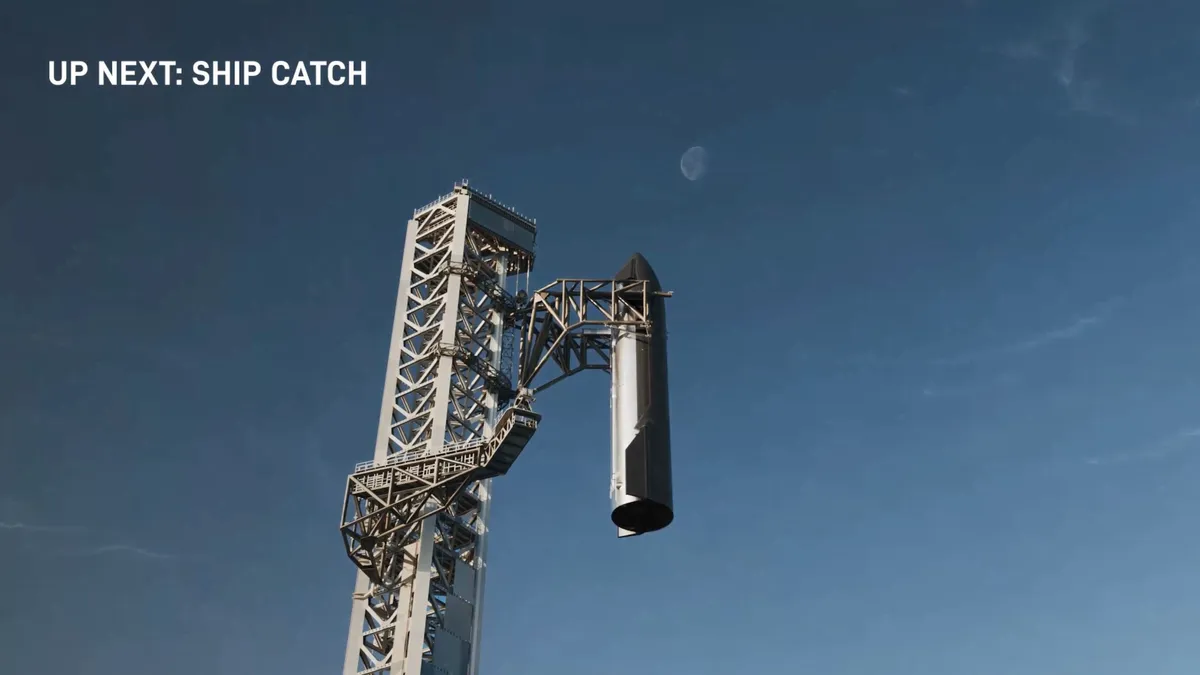
SpaceX will attempt 1st-ever double Starship rocket catch on next test launch, Elon Musk says - Space
"I'd say it's more likely than not that this succeeds."
0 comments
No comments yet. Be the first to share your thoughts!