Second half of January looking much colder across Canada - The Weather Network
This story deserves to be shared
Send it to someone who'd care, or post it on your networks.
This article is an excerpt. To read the full content, visit the original source. The Weather Network
Related articles
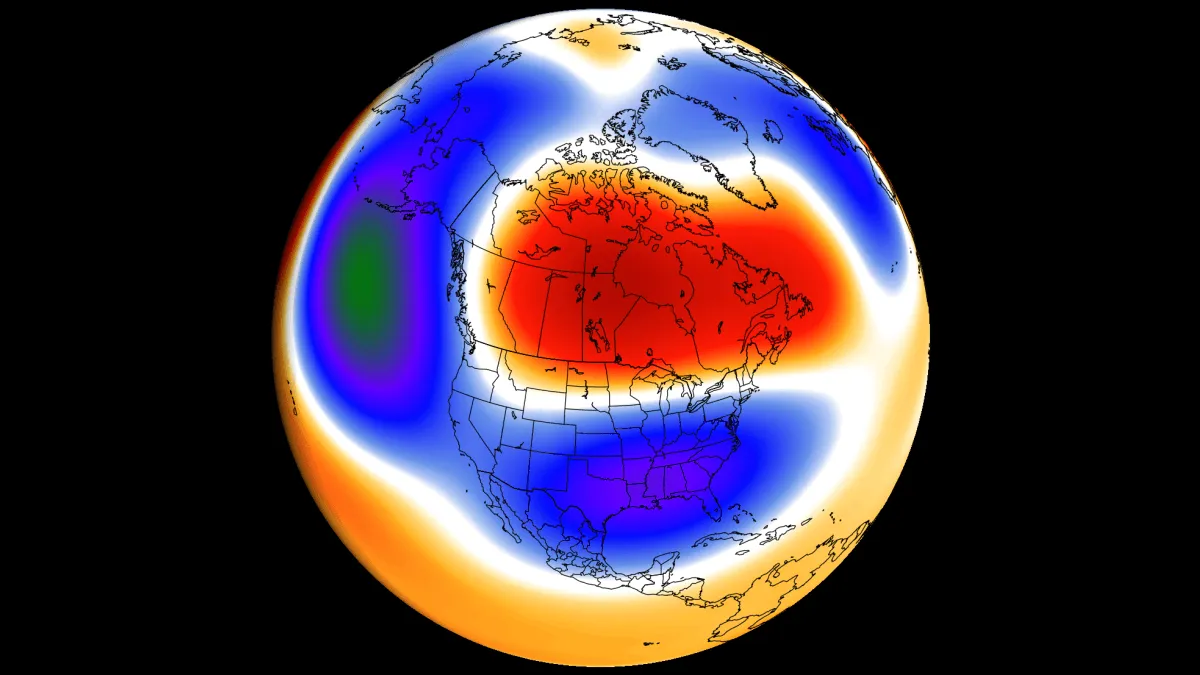
Winter 2026/2027 Forecast: New October Data Shows a Colder, Snowier U.S. Shift
In February 1983, a blizzard buried Washington, Baltimore, and Philadelphia in up to two feet of snow. In January 2016, another historic blizzard shut down the same cities. Both events struck during Super El Niño winters, which most people expect to be mild. Now an even stronger Super El Niño is building toward its December peak ahead of Winter 2026/2027. The latest October forecast data points to a milder northern U. S. and southern Canada, an active and stormy South, and a mild Europe. It also shows a notable shift toward a colder, snowier south-central and eastern U. S., and an unusual Polar Vortex disruption signal around mid-winter. I will break down what shifted in the latest winter forecast data, how the season is expected to unfold, and which other major winter storms past Super El Niño winters delivered. You can also check the updated Winter Forecast Explorer for every state, province, and country across the United States, Canada, and Europe, with the latest temperature and precipitation forecasts.

A jump in stomach bugs occurs during the colder months. Here's why
As temperatures drop, cases of gastrointestinal viruses like the norovirus increase. An infectious diseases physician explains to The Weather Network's Rachel Schoutsen the connection between colder weather and the spread of the virus, offering key advice on prevention and treatment. Watch the video above for the full explanation on the stomach bug-colder weather connection. Thumbnail courtesy of CANVA.
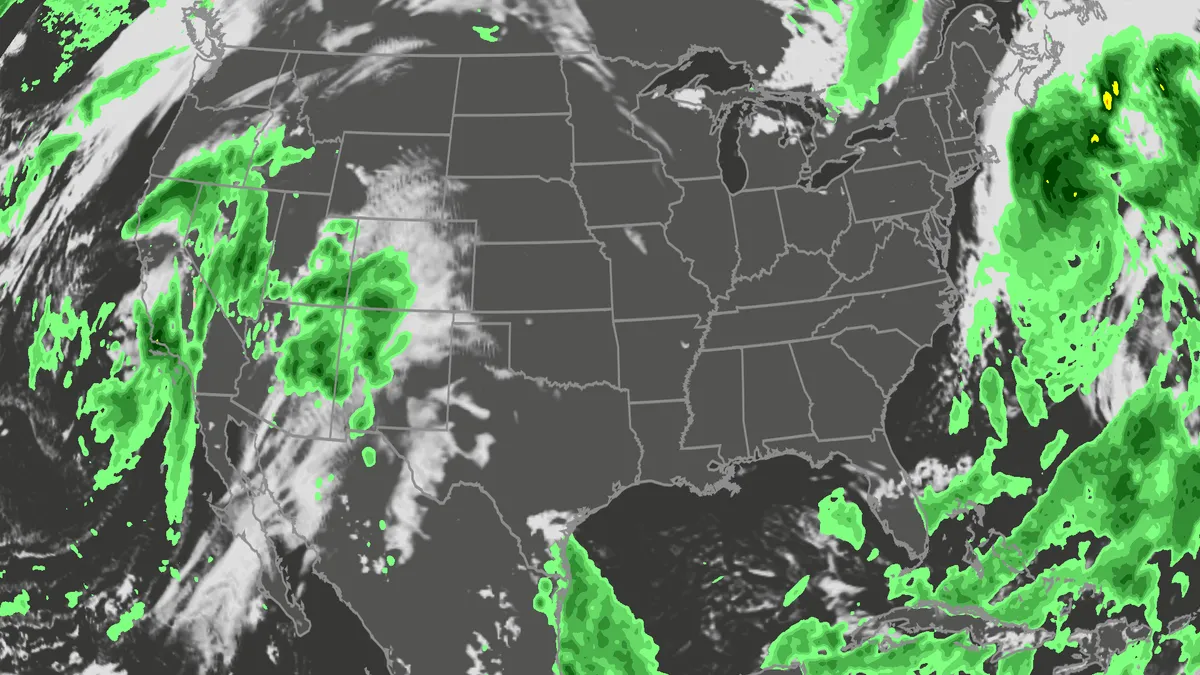
Orionid meteor shower 2026: cloud cover forecast by region
A meteor streaks across the sky over a desert in China during the Orionid meteor shower on Oct. 22, 2023.(VCG/VCG via Getty Images)The Orionid meteor shower is peaking this week, and it promises to be one of the most dazzling displays of the year. And while some of you will have clear skies, rain and clouds could impact the view for others. Here's what you need to know about the Orionids and your forecast:Fast factsPeak day: The meteor shower peaks Wednesday night, Oct. 21, into the early hours of Thursday morning, Oct. 22. Peak time: From midnight to dawn are the best hours to catch the meteors streaking through the sky, so plan on a late night or really early morning. What the Orionids are known for: The Orionid meteors are known for their brightness and their speed. As they streak across the sky at around 41 miles per second, the meteors leave behind a glowing "train" that can last several seconds to minutes. While you can make the perfect plan to catch the Orionids, the key to stellar viewing is still in Mother Nature's hands. The good news is that many of you should have good meteor shower-watching conditions. Much of the central and eastern U. S.

Can duct tape keep out flood water? Here's what lab tests found
(urbanbuzz/shutterstock)Could a cheap roll of duct tape help protect your home from flooding? New research suggests it could make a surprisingly big difference. In controlled tests, correctly applied duct tape on the outside of a household door reduced water leakage by 97-98%. The findings suggest that a simple low-cost measure could substantially reduce the amount of water entering a home during a flood. This is important as one of the key lessons from flood resilience research is that the best time to protect a property is before floodwater arrives. The UK government’s 2025 FloodReady Review called for practical, affordable measures that help households understand their risks and to prepare for flooding. And one potential contribution to this agenda might sound unlikely, at first glance. Duct tape is more commonly associated with household repairs than flood protection. However, tests colleagues and I conducted at the University of Hull demonstrated how much water can enter a property through an unprotected doorway during a flood. Three doors, ready for flood-testing.
0 comments
No comments yet. Be the first to share your thoughts!