SEC flags tokenization as high-risk area in 2027 market examinations
This story deserves to be shared
Send it to someone who'd care, or post it on your networks.

The SEC’s latest priorities highlight tokenization as an emerging market risk, while cryptocurrencies remain absent as a standalone examination category. The US Securities and Exchange Commission (SEC) has added tokenization to its fiscal 2027 examination priorities, placing tokenized securities alongside quantum computing and extended trading hours among emerging trends it plans to examine. In its 2027 examination priorities, released Friday, the SEC identified tokenization as an area of focus for examinations of critical market infrastructure. Tokenization was not explicitly mentioned in the agency’s 2026 priorities. The report addressed the security and reliability of critical market infrastructure, stating:Examinations under Regulation SCI will focus on emerging trends, including SI [super intelligence, the Trump administration’s term for artificial intelligence], tokenization of securities, extended trading hours, and quantum computing. The SEC also listed tokenization among the high-risk areas it will examine at clearing agencies, alongside default management, securities lending and operational risks.
This article is an excerpt. To read the full content, visit the original source. Cointelegraph
Related articles

Franklin Templeton adds $150 million in fund shares to XRP Ledger, all in one wallet
Skip to main contentCrypto NewsOct 24, 2026, 12:45 a.m. EDT2 min readSummaryFranklin Templeton added about $150 million in shares of its tokenized money market fund to the XRP Ledger, bringing the network’s total to nearly 193 million shares worth about $200 million. All sgBENJI shares on the XRP Ledger remain in a single wallet that shares transaction signers with Franklin’s issuing account, though it is unclear whether the wallet represents one investor or multiple clients. The fund invests in short-term dollar debt and money-market instruments, and its XRP Ledger holdings can be approved, frozen or recovered by Franklin. Franklin Templeton added $150 million worth of shares in its tokenized money market fund to the XRP Ledger earlier Friday, with every new share went to one wallet which now holds the fund’s entire token balance on the network. That wallet and Franklin’s issuing account authorize the identical eight signing addresses. Any two can jointly approve a transaction, according to CoinDesk’s review of ledger records. The wallet holds nearly 193 million sgBENJI shares, up from about 48 million before Thursday.

Canadian bitcoin firm Coinkite facing proposed class-action lawsuit after $140-million hack
A proposed class-action lawsuit has been filed against Toronto-based crypto wallet maker Coinkite Inc., alleging that negligence by the company and its co-founders allowed hackers to steal more than US$140-million worth of bitcoin from users. The lawsuit, filed in Ontario Superior Court last month, also asserts that the company breached its contract with users, failed to warn them about a critical vulnerability and violated Ontario’s Consumer Protection Act. In addition to naming the company, it also lists Coinkite co-founders Rodolfo Novak and Peter Gray as defendants. The allegations have not been proven in court and the class action has not yet been certified. The company declined to comment on the proposed litigation, but said it is preparing to publish a “full postmortem” on the security incident in the coming days.
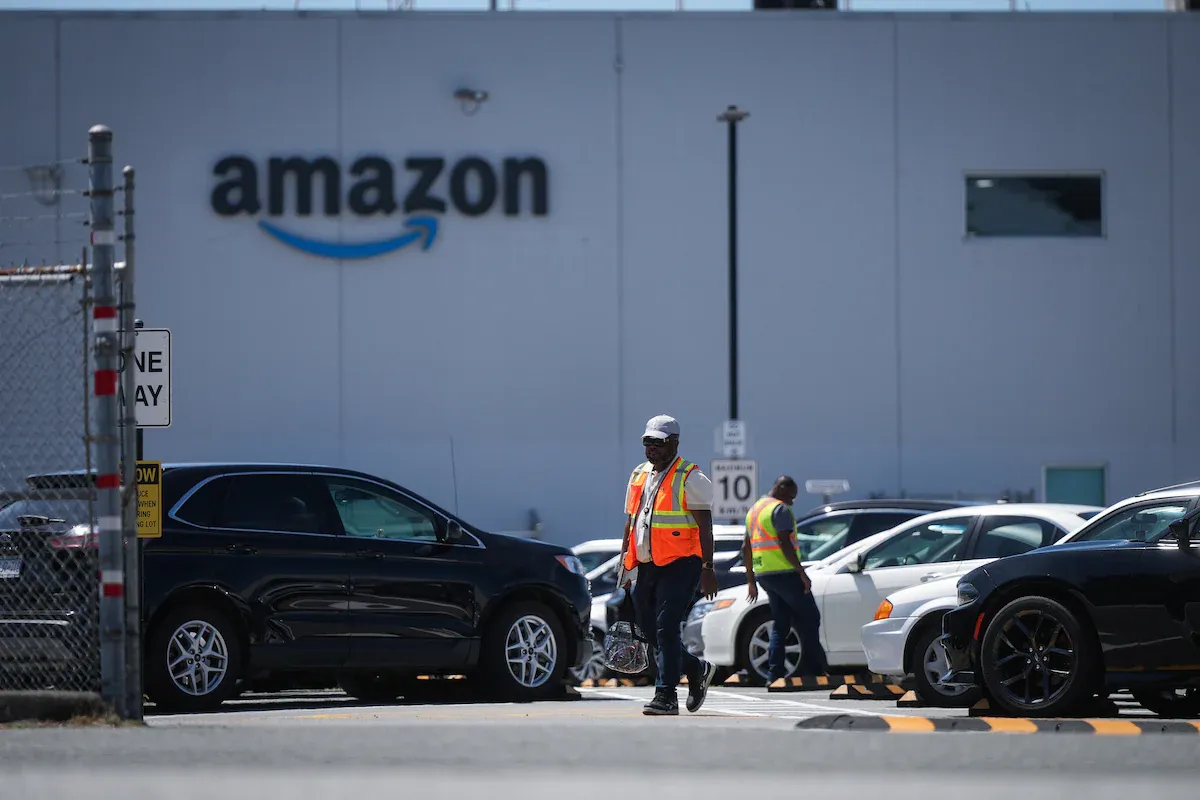
Amazon used AI tool to track risk of unionization in Canadian warehouses, documents show
Open this photo in gallery:Unions have tried to make inroads at numerous Amazon warehouses across North America and Europe. DARRYL DYCK/The Canadian PressAmazon.com Inc. AMZN-Q used an artificial-intelligence tool in Canadian warehouses to assess the likelihood of workers unionizing, assigning a “labour risk” score to each of its facilities. Internal company documents obtained by The Globe and Mail, as part of hearings between Amazon and Unifor at the British Columbia Labour Relations Board, outline the use of an AI tool called Atlas in recent years across more than 50 warehouses in the United States, Canada and Europe. The tool, according to the documents, uses hundreds of data points to design a “labour risk framework,” which then allows Amazon to evaluate “emerging workforce issues,” “labour union targets” and “internal or external labour threats.” The documents do not indicate what exactly the data points are, or how Amazon collects them. In a statement to The Globe, Amazon spokesperson Sam Stephenson said the information gathered helps the company identify trends and prioritize them accordingly.

Complaint to Competition Bureau alleges Israeli companies misled Canadians about West Bank real estate
Open this photo in gallery:A general view of the West Bank Israeli settlement of Efrat in 2024. The complaint to the Competition Bureau was filed by Global Echo Litigation Center and the Canadian Lawyers for International Human Rights. Ohad Zwigenberg/The Associated PressA group of lawyers and civil society members have filed a complaint with the Competition Bureau over Israeli real estate events in Toronto and Montreal, alleging that illegal properties were marketed to Canadians under false pretenses. The complaint alleges at least four Israeli real estate companies and one Canadian marketing firm promoted properties in occupied Palestinian territories in the West Bank while misleading consumers to believe they were in Israel. The Competition Bureau says it will review the complaint filed by Global Echo Litigation Center and the Canadian Lawyers for International Human Rights and determine if an investigation into the companies is warranted.

Will Anthropic pull off a November IPO? Time is running out to file key paperwork.
If market pressures keep building, Anthropic “could reasonably decide it is better to stay private and wait for a better opportunity,” one portfolio manager says.

Investors piled a record sum into a leveraged semiconductor ETF last week. Things didn’t work out.
Traders making bullish bets on chip stocks are getting walloped this month, as renewed fears emerged about investment returns on the buildout of artificial intelligence.
0 comments
No comments yet. Be the first to share your thoughts!