Scientists just created exotic new forms of matter that shouldn’t exist - Science Daily
This story deserves to be shared
Send it to someone who'd care, or post it on your networks.
This article is an excerpt. To read the full content, visit the original source. Science Daily
Related articles
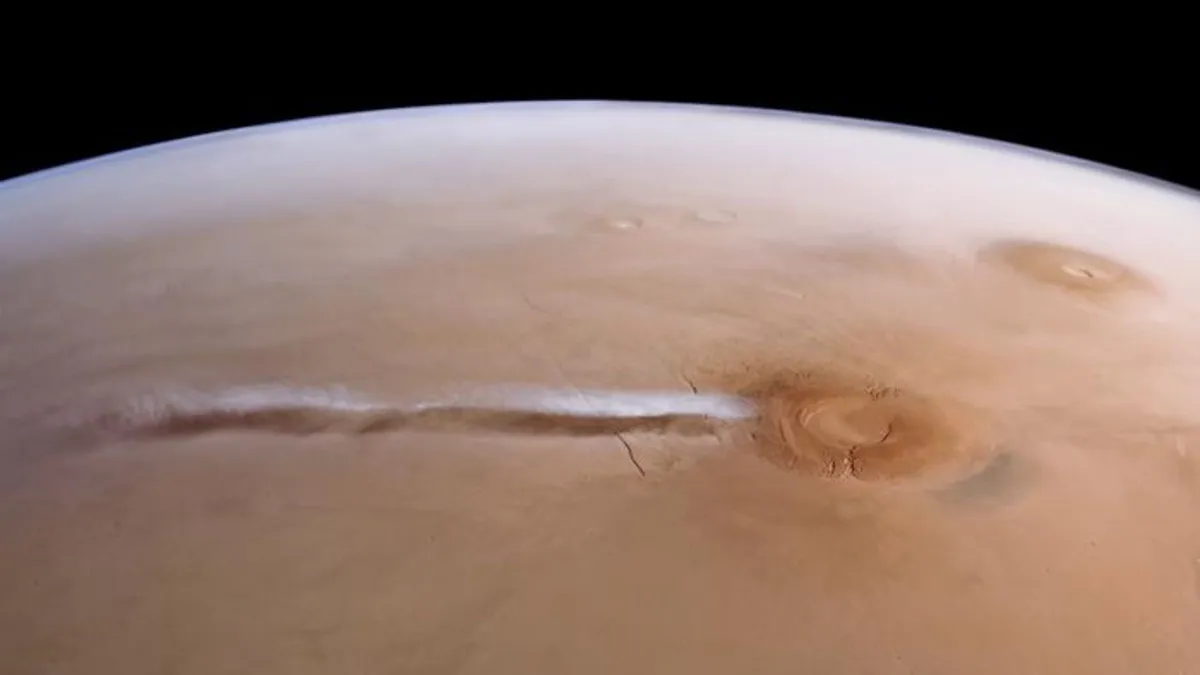
1,000-mile-long cloud that forms and vanishes on Mars every day obeys 'exotic physics' never seen on Earth - Live Science
New simulations suggest that the perplexing Arsia Mons Elongated Cloud (AMEC) repeatedly emerges in the Red Planet's skies thanks to a never-before-seen meteorological process.
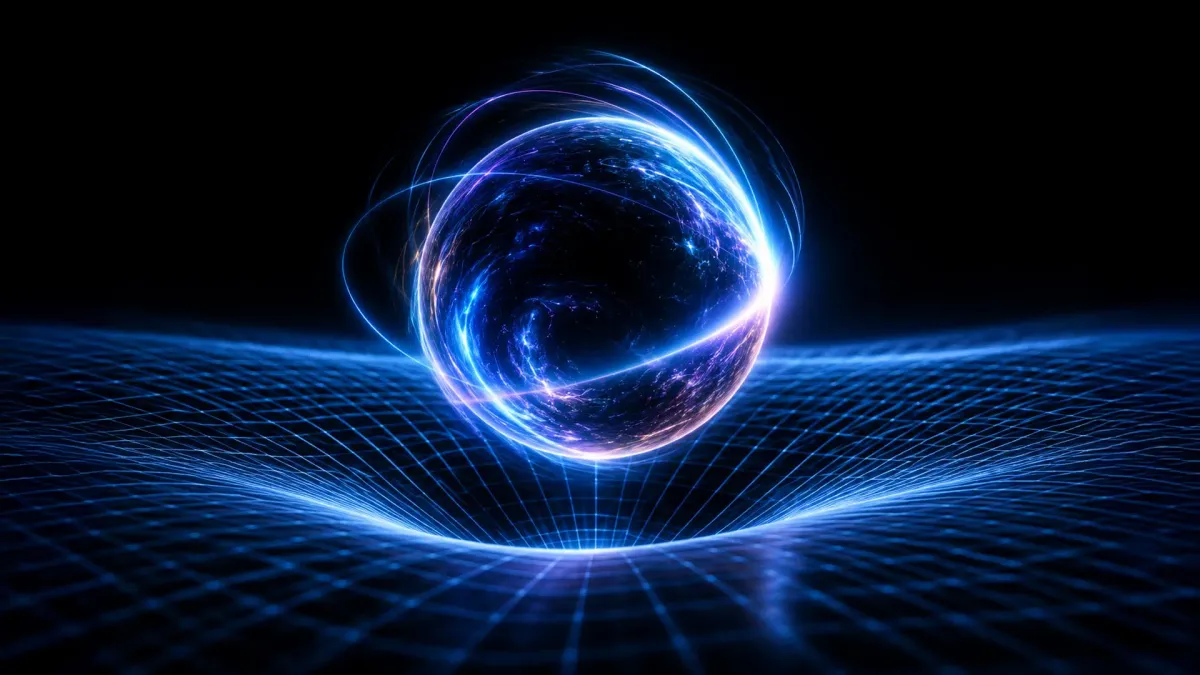
Scientists are about to test Einstein’s gravity with exotic matter - Science Daily
Does gravity affect every type of particle in exactly the same way? Researchers at ETH Zurich and the Paul Scherrer Institute (PSI) in Villigen are preparing an experiment that could test that fundamental assumption using one of nature's more unusual particles. "We have taken an important step towards carrying out an exciting experiment on this topic," says the professor of physics: "We want to measure the gravitational interaction of the muon. "

Tiny worm brains reveal surprising sex differences beyond neural wiring - Interesting Engineering
With 302 neurons, 200 of them in their heads, hermaphrodite female roundworms reveal surprising sex-specific differences in the nervous system and how these differences influence behavior, reproduction, and aging. Researchers at Northeastern University compared brain activity in male and hermaphroditic Caenorhabditis elegans, a microscopic worm widely used in biological research to understand how sex wires males and female nervous systems differently.
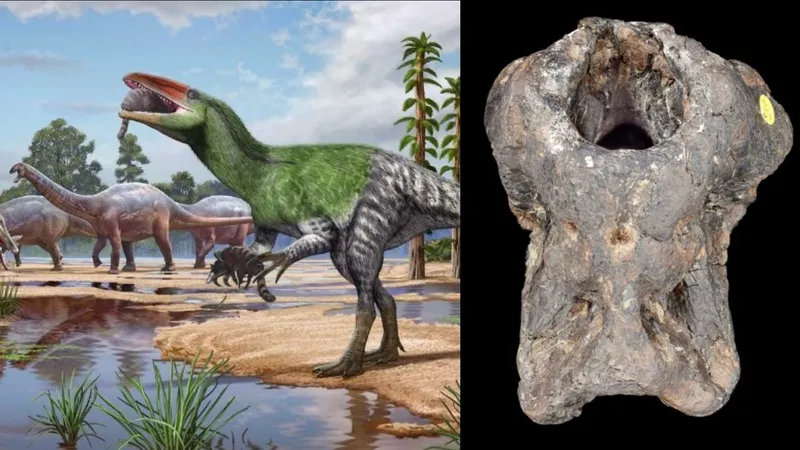
New dinosaur species identified from fossil stashed in drawer for a century - EarthSky
Artist’s concept of the new dinosaur species Invictibellatrix amberina, along with the fossil from which it was identified. The fossil had been sitting in a drawer for 100 years, until researchers pulled it out and became curious. Image via Sergey Krasovskiy and Pedro Salas/ Natural History Museum London. You deserve a daily dose of good news. For the latest in science and the night sky, subscribe to EarthSky’s free daily newsletter.
0 comments
No comments yet. Be the first to share your thoughts!