Scientists Explain Why 'Harmless' Sharks Devoured Swimmer in Chilling World First - ScienceAlert
This story deserves to be shared
Send it to someone who'd care, or post it on your networks.
This article is an excerpt. To read the full content, visit the original source. ScienceAlert
Related articles

Neanderthals devoured tons of meat—but experts say something doesn’t add up - Futura, le média qui explore le monde
What Neanderthals actually ate continues to intrigue researchers. © CB, ChatGPT The Futura Team represents the pulse of Futura’s editorial department, bringing together a collective expertise dedicated to the dissemination of scientific knowledge. Rather than the work of a single author, every article published under this signature is the result of a rigorous collaborative process involving journalists, editors, and fact-checkers. Specializing in news analysis via desk research and international wire services, the team focuses on transforming raw information into accessible, verified content. This curation and synthesis process ensures constant monitoring of technological innovations and major scientific breakthroughs. By cross-referencing sources and conducting multiple rounds of peer review, the Futura Team guarantees scientific accuracy and pedagogical clarity. This collective signature serves as a hallmark of trust, providing reactive, cross-disciplinary information at the forefront of current events

🦖 A small raptor may have devoured a tyrannosaur carcass - Techno-Science
Tooth marks indicate that a small carnivorous dinosaur may have fed on a tyrannosaur, much larger than itself. The scene dates back to the end of the Cretaceous, in what is now Canada. Researchers examined a fossilized Albertosaurus skull discovered in Alberta. This animal belonged to the same broad family as Tyrannosaurus rex.
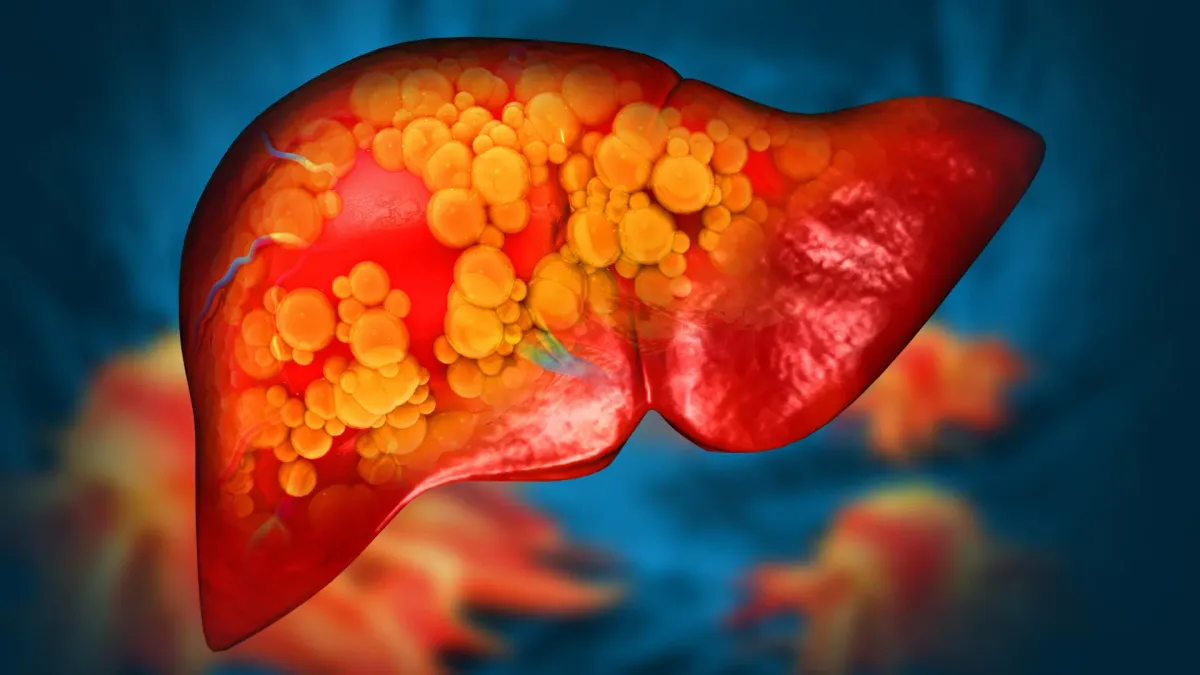
A plastic once thought harmless may be fueling fatty liver disease - Science Daily
Microplastics have spread into nearly every corner of the environment. These tiny plastic particles have been found in ocean water, drinking water, and even inside the human body. Although their presence is well documented, scientists are still working to understand what prolonged exposure could mean for human health. Researchers at the Texas A&M College of Veterinary Medicine and Biomedical Sciences (VMBS) have now identified a potential health concern involving polyethylene, one of the most widely used plastics in the world. Their findings suggest that polyethylene microplastics may contribute to fatty liver disease, particularly when exposure occurs alongside an unhealthy diet.
Mr. Magpie’s Harmless Card Game adds PS5, Xbox Series, and Switch 2 versions, launches in early 2027
Surreal corporate horror deckbuilder Mr. Magpie’s Harmless Card Game will launch for PlayStation 5, Xbox …

John Green: ‘I devoured the Sweet Valley High books in the 1980s’
I remember learning to read with dull stories about Jane going up a hill, but my earliest thrilling reading memories are of series like The Baby-Sitters Club and Sweet Valley High. In the highly gendered reading days of the 1980s, I knew those books were for girls, but I devoured them. My favourite book growing up Besides the girls of The Baby-Sitters Club, I loved books about survival and perseverance, especially Gary Paulsen’s The Island, in which a boy discovers a secluded island and ventures there to learn about the natural world. The book that changed me as a teenager

Opening the EU door for Canada is a harmless gesture. But it won’t fix Europe’s security crisis - The Guardian
Ursula von der Leyen brought a new mascot to her annual State of the Union address to the European parliament: the Canadian prime minister, Mark Carney. The leader of a plucky, like-minded liberal democracy, locked in an unsought trade war with its much bigger bully of a neighbour, Carney crossed the Atlantic and attended this flagship event of Europe’s political calendar to demonstrate his country’s shared values and desire to get closer to the EU. He was rewarded with a standing ovation and the first ever offer of an (invented) status of “associate member” of the EU. The grand-sounding title is more a gesture of political support and reciprocal affection than any sort of binding engagement. The EU doesn’t have associate membership in its founding treaties. It does make association agreements with close countries, some of which eventually join the bloc. It also has partnership, trade and cooperation agreements with more distant friends – it had one with Russia, in happier times.
0 comments
No comments yet. Be the first to share your thoughts!