Scientists discover hidden rules that may govern spacetime - Tech Explorist
This story deserves to be shared
Send it to someone who'd care, or post it on your networks.
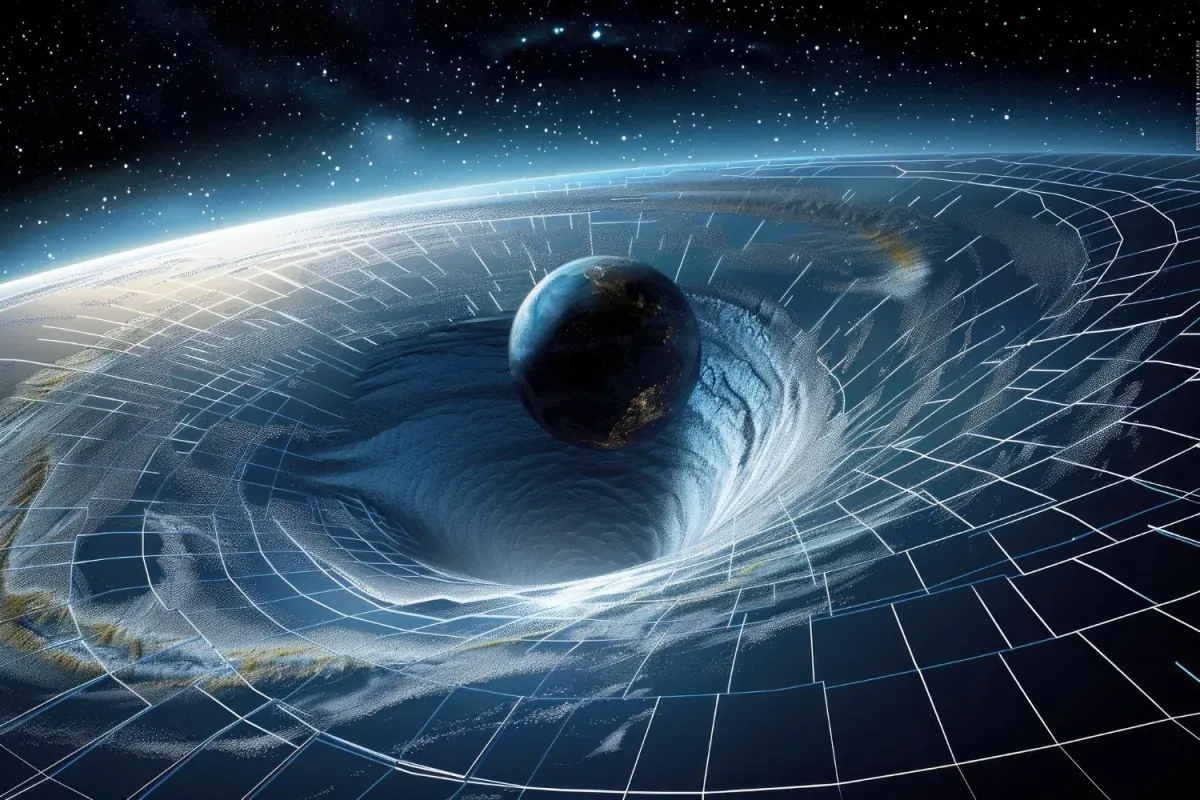
Gravitational fields can behave remarkably like magnetic fields in plasmas. Continue reading Scientists discover hidden rules that may govern spacetime on Tech Explorist .
This article is an excerpt. To read the full content, visit the original source. Tech Explorist
Related articles

WHO advances tools to govern life sciences and dual-use research - World Health Organization (WHO)
As rapid advances in biotechnology, genomics, synthetic biology, artificial intelligence and related life sciences continue to reshape global health and innovation, countries face a growing need to manage emerging risks without slowing scientific progress. Tools and knowledge developed for beneficial purposes can also pose risks if misused accidentally, inadvertently or deliberately. The World Health Organization (WHO) is responding by supporting Member States with practical, evidence-informed, adaptive, agile and forward-looking approaches that strengthen safety, security and responsible oversight while enabling innovation. Through a combination of global guidance, foresight, capacity-building and implementation support, WHO is supporting countries to anticipate emerging challenges and develop governance systems that remain effective in a rapidly evolving scientific landscape. These efforts help countries navigate a rapidly changing scientific landscape by ensuring that advances in the life sciences can be harnessed safely, securely and responsibly.
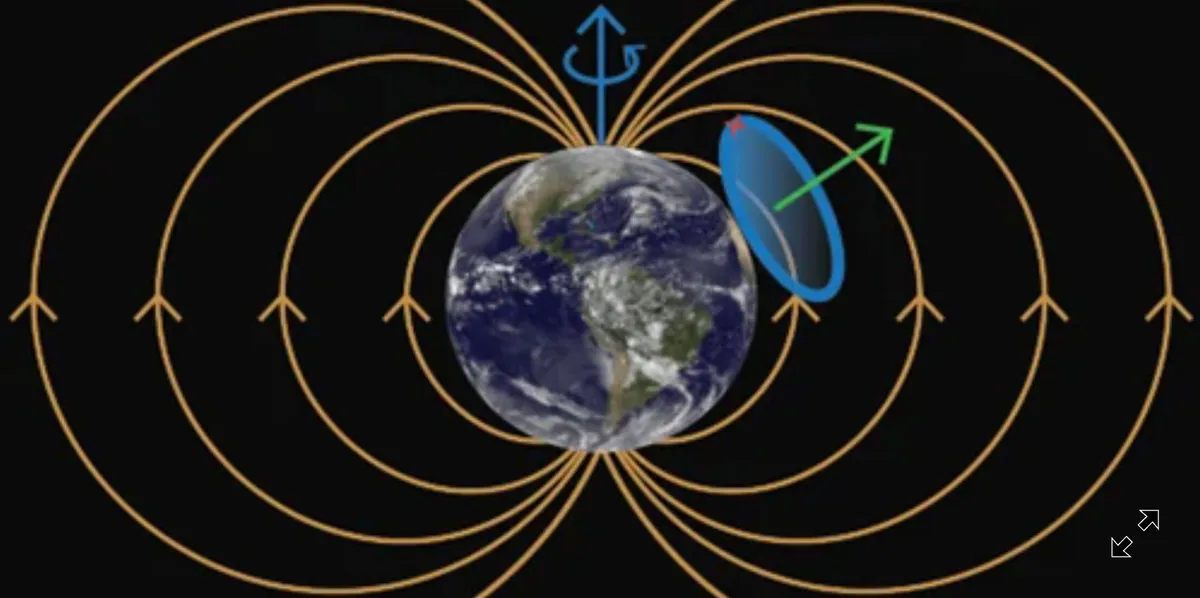
Quantum sensor could measure how Earth drags spacetime - Phys.org
Ellers/University of California, Berkeley. Einstein's theory of general relativity describes gravity as the bending of spacetime, a mathematical model that combines three-dimensional space and time into a single, four-dimensional continuum. The theory also predicts that a rotating object, such as Earth, slightly drags the surrounding spacetime as it rotates, a phenomenon known as frame-dragging. Researchers at the University of California, Berkeley (UC Berkeley), the Austrian Academy of Sciences and the California Institute of Technology (Caltech) recently introduced the idea of a quantum sensor that could measure this tiny effect in a laboratory setting.
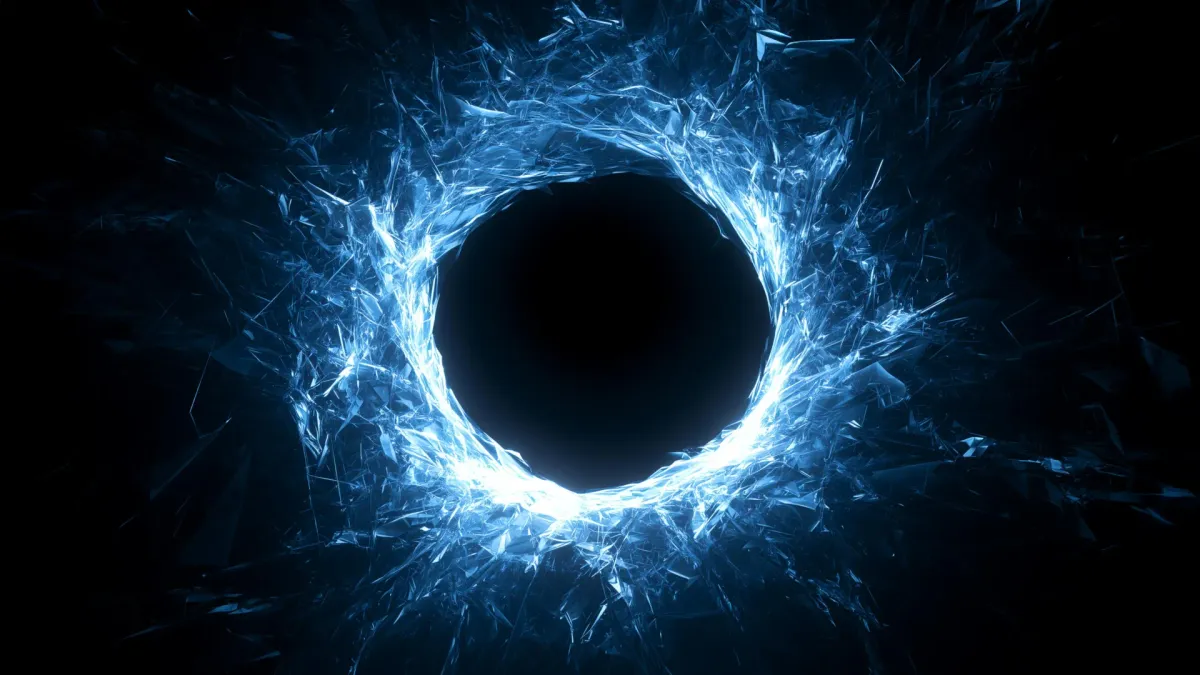
This strange “spacetime crystal” can suddenly become a black hole - Science Daily
Physics allows for black holes far smaller than the enormous objects typically found at the centers of galaxies or created when massive stars collapse. Under the right conditions, microscopic black holes could also form when spacetime enters an unusual critical state and organizes into a repeating, crystal-like pattern. Researchers from Goethe University Frankfurt and TU Wien have now found a way to describe this process mathematically. For the first time, they derived an exact formula for the phenomenon by using an unconventional mathematical approach.
0 comments
No comments yet. Be the first to share your thoughts!