Scientists discover a promising blood sugar–regulating compound in red alga - Phys.org
This story deserves to be shared
Send it to someone who'd care, or post it on your networks.
It is a dietary staple found in sushi, rice wraps and ramen toppings. Commonly known as nori in Japan and gim in Korea, red seaweed is especially popular across Asia. Yet, despite its widespread consumption, many of its nutritional benefits remain poorly understood. Now, research led by Hokkaido University scientists has discovered that digestion of a particular red alga releases a peptide, or a small fragment of protein, with potential benefits for blood glucose control and diabetes prevention. The study was published in Food Bioscience.
This article is an excerpt. To read the full content, visit the original source. Phys.org
Related articles

Alison Pritchard, Ph.D., on the treatment expectation gap in pediatric ADHD - Managed Healthcare Executive
On average, caregivers want to see their children with ADHD fall asleep 30 minutes faster, but the best sleep treatments average approximately 20 minutes, a new survey study found. Caregivers of children with ADHD and sleep problems tend to place more weight on improving daytime ADHD symptoms than on improving sleep, and they expect treatment gains larger than current therapies typically deliver, according to a survey study published in the Journal of Attention Disorders. Alison Pritchard, Ph. D., a child clinical psychologist and co-director of the Center for Neuropsychological and Psychological Assessment at Kennedy Krieger Institute in Baltimore, was the lead author. The study, ‘What Matters to Caregivers of Youth With ADHD: Defining the Minimum Clinically Important Difference for Sleep Treatment,’ surveyed 100 caregivers in the waiting area of an outpatient department where children were being seen for psychological or neuropsychological evaluation. Approximately half of the families had commercial insurance and about half used medical assistance.
Research updates, October 20 - The Sick Times
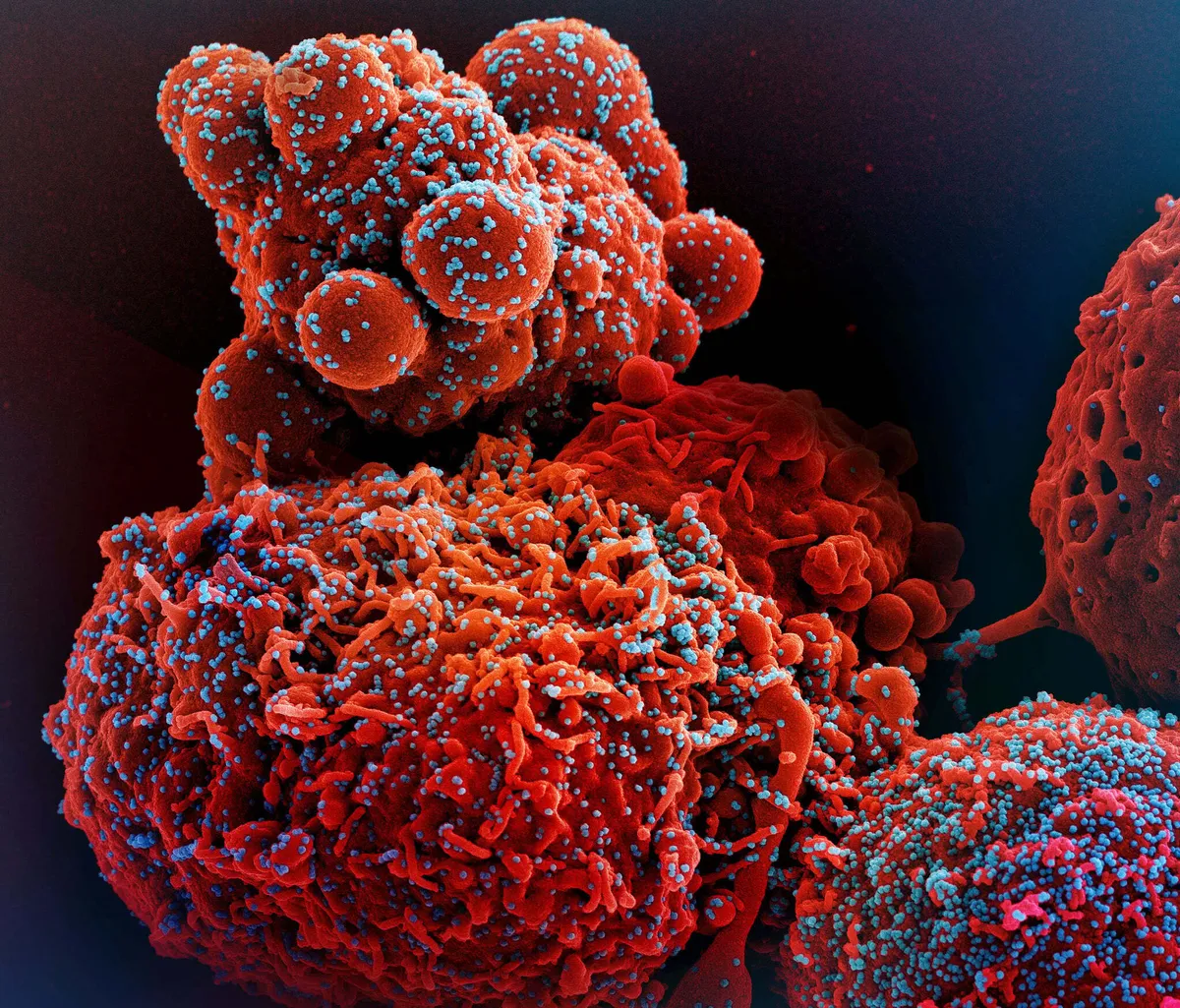
SARS-CoV-2 virus particles on a cell. Source: National Institute of Allergy and Infectious Diseases (NIAID) A large Long COVID review found mechanisms of “accelerated biological aging” in young adults. The review was published in Ageing Research Reviews and synthesized 110 mechanistic and epidemiological Long COVID studies on adults ages 25–55. The Chinese researchers found that inflammation and blood vessel damage may contribute to aging, while the disease may also increase the risk of early cardiovascular events. The review adds more evidence to the impact of infections on aging.

AI Model Based on Facial Image Analysis Estimates Biological Age and Mortality Risk in Patients With Cancer - The ASCO Post
Analyzing facial images using a foundational artificial intelligence (AI) model may help researchers determine both biological aging and disease-related mortality risk, according to study findings published in The Lancet Digital Health. “As the population ages, physicians need better ways to estimate physical reserve and frailty before recommending intensive treatments such as radiation, surgery, or systemic therapy,” said co-corresponding author Raymond H. Mak, MD, a radiation oncologist at Mass General Brigham Cancer Institute and a faculty member in the Artificial Intelligence in Medicine (AIM) program at Mass General Brigham. “Our goal is to make face photograph–based health assessment more quantitative, consistent, and scalable so it can support personalized treatment decisions rather than replace physician judgment.”
0 comments
No comments yet. Be the first to share your thoughts!