Scientists detect a sudden acceleration in global warming - Science Daily
This story deserves to be shared
Send it to someone who'd care, or post it on your networks.
This article is an excerpt. To read the full content, visit the original source. Science Daily
Related articles
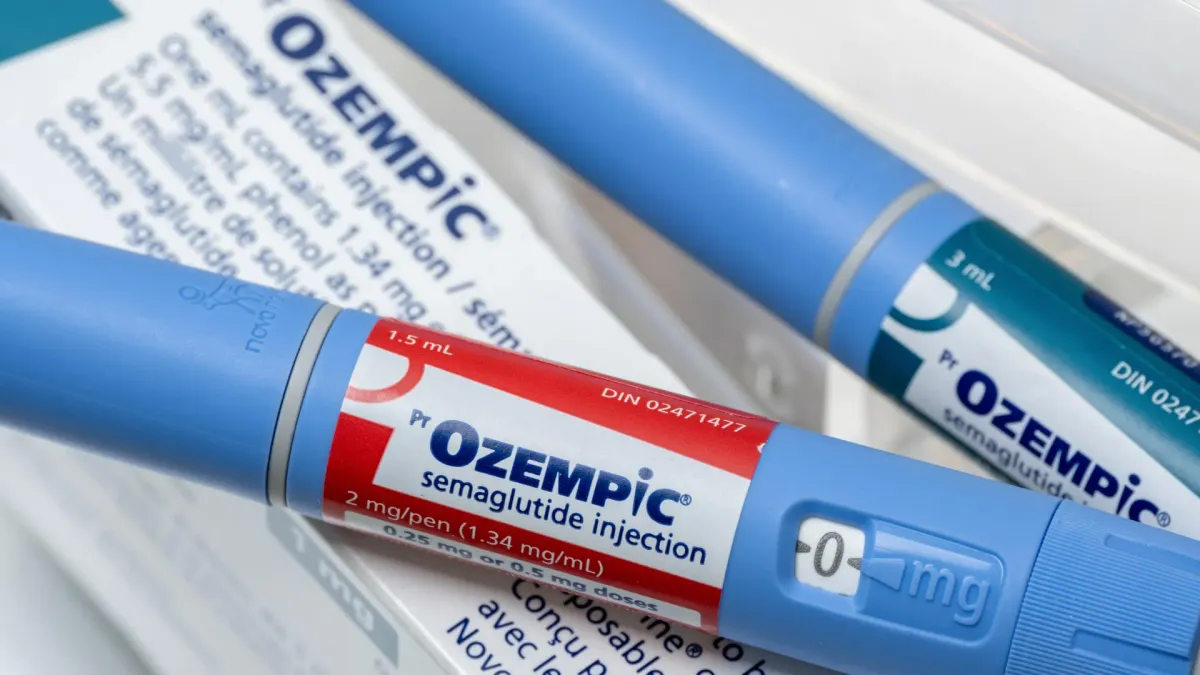
Ozempic and Wegovy linked to rare risk of sudden vision loss - Science Daily
A large study led by Rutgers researchers has identified a possible vision risk associated with widely used diabetes and weight loss medications, including Ozempic and Wegovy. The findings suggest that people taking these drugs may face a slightly higher risk of developing a rare eye condition that can cause sudden and potentially permanent vision loss. The condition, known as ischemic optic neuropathy, occurs when blood flow to the optic nerve is reduced. Because the optic nerve carries visual information from the eye to the brain, damage to it can lead to significant vision problems.

Scientists Say Your Organs Don’t Grow Old Slowly—They Age in Two Sudden Bursts. Here’s When. - Popular Mechanics
Here’s what you’ll learn when you read this story:The human body doesn’t age steadily—instead, organs largely experience two phases of rapid aging, also known as biphasic aging. A new study found that while some tissues, such as vascular, uterine, or vaginal tissue, don’t follow this two-phased aging, most do. Scientists reached this conclusion by developing a deep-learning model called Pathology-based Structural Aging Rate (PathStAR) to extract underlying tissue structure from 25,000 organ images in a public database and then plot molecular changes over time. Time is an incredibly complex concept that we tend to define in simple terms. Time marches inexorably forward—second by second, day by day, decade by decade—but if you plug Albert Einstein’s Special Theory of Relativity into this conceptualization, things suddenly aren’t so simple. In some ways, the same can be said for aging. Every year we add more candles to the birthday cake, but like time, this steady progression of aging is just a conception, not physical reality.
Sudden danger: the science and stakes of flash flood forecasting - National Oceanic and Atmospheric Administration (.gov)
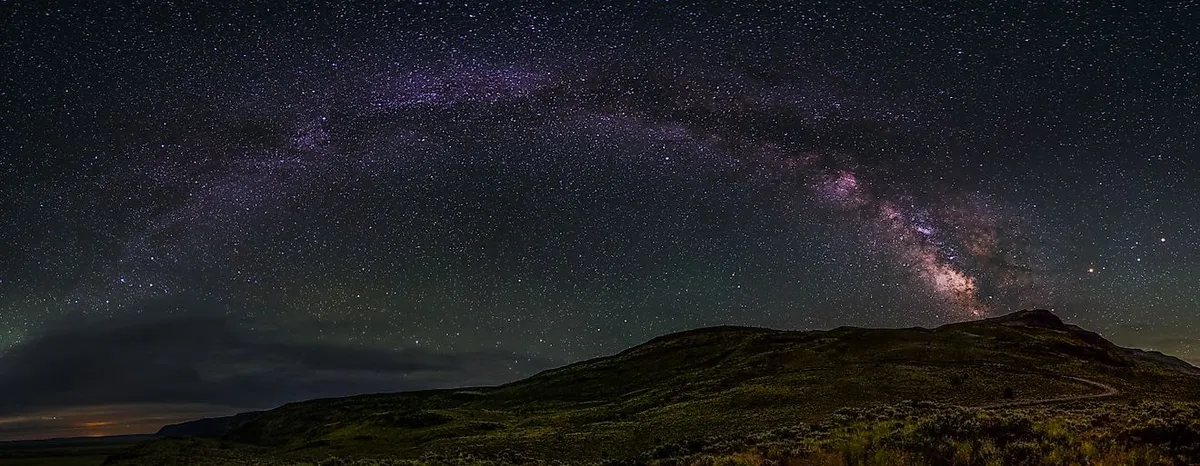
The American Mountains With The Darkest Night Skies - WorldAtlas
More than 99% of the US population lives under light-polluted skies, according to a 2016 study published in Science Advances. With streetlights, brightly lit parking lots, arenas, and passing headlights brightening the night, it can be easy to forget how dark the sky actually is and how many stars appear when you get away from populated areas. Seeing that many stars for the first time can make you pause and remember where you truly are. You are on a rock spinning through space, surrounded by a universe filled with stars, planets, and galaxies larger than anything you can imagine. A remote mountain excursion can combine a dark sky encounter with a day of hiking and sightseeing. After sunset, bright stars emerge above the slopes and ridgelines. These American mountains lie within officially designated dark sky locations that protect natural darkness and the views of the universe it reveals. In northeastern New Mexico, Capulin Volcano sits among volcanic cones, mesas, and buttes in one of the darker areas of the lower 48 states. These landforms help shield the night sky from distant lights, while the rugged terrain has discouraged development in the area.
What’s Happening in Space Policy October 18-24, 2026 - Space Policy Online
Here is SpacePolicyOnline.com’s list of space policy events for the week of October 18-24, 2026 and any insight we can offer about them. The House and Senate are in recess, except for pro forma sessions, until after the midterm elections. This week has two especially interesting events — the launch of JAXA’s Martian Moons eXploration (MMX) mission tomorrow (Monday) afternoon EDT, and a NASA update on the Artemis program on Friday — plus many others. We’re also keeping track of the discussions on social media about the very close approach of Russia’s Kosmos 2612 to the U. S.-registered ICEYE X36 Synthetic Aperture Radar (SAR) satellite.
0 comments
No comments yet. Be the first to share your thoughts!