Scientists Built a Working Computer Memory Out of Shiitake Mushrooms - ScienceAlert
This story deserves to be shared
Send it to someone who'd care, or post it on your networks.
This article is an excerpt. To read the full content, visit the original source. ScienceAlert
Related articles
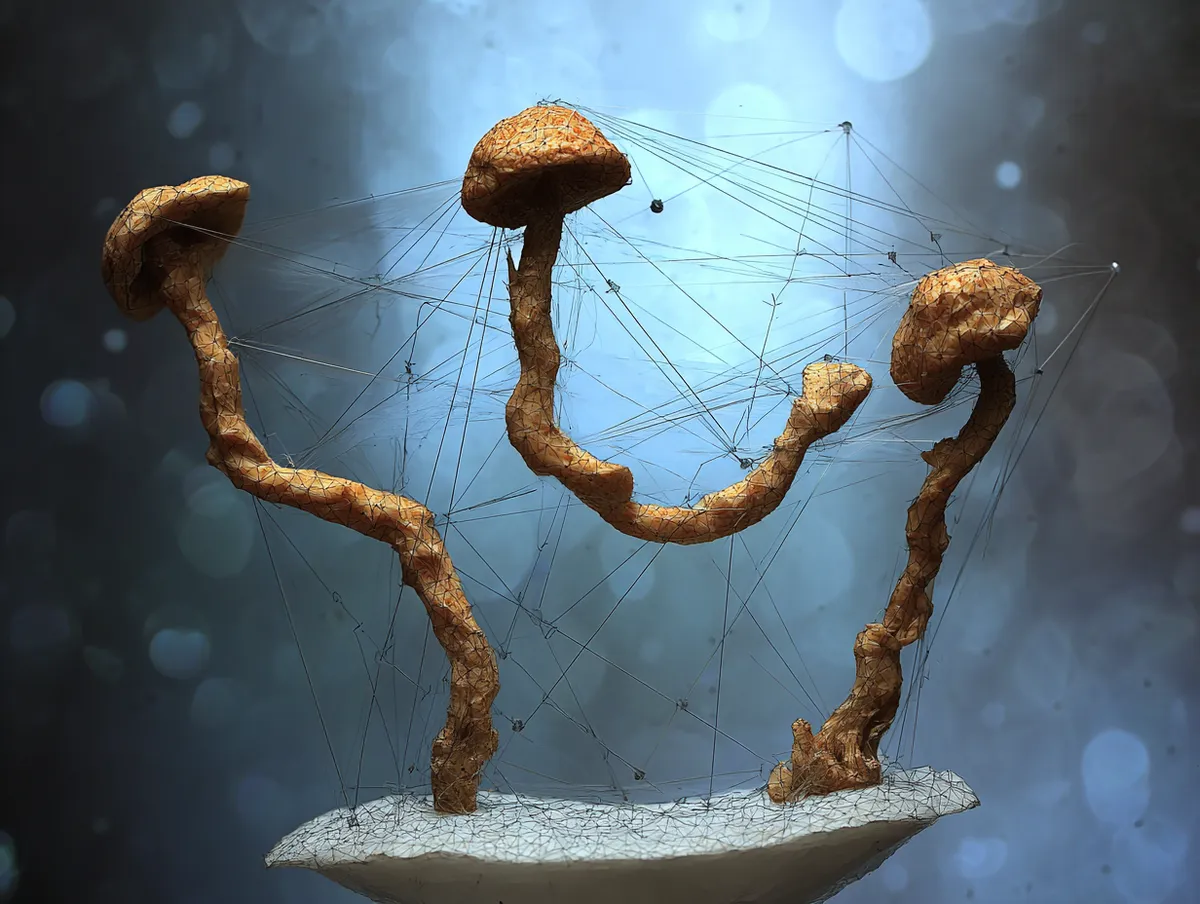
Scientists Turned Shiitake Fungi Into Experimental Computer Memory - ZME Science
Just for illustrative purposes. Credit: AI-generated by ZME Science/Midjourney. You can grow a computer component on your kitchen counter. Well, sort of. That’s the radical implication of 2025 research from The Ohio State University, where scientists used shiitake fungi to make experimental electronic devices that can remember information.
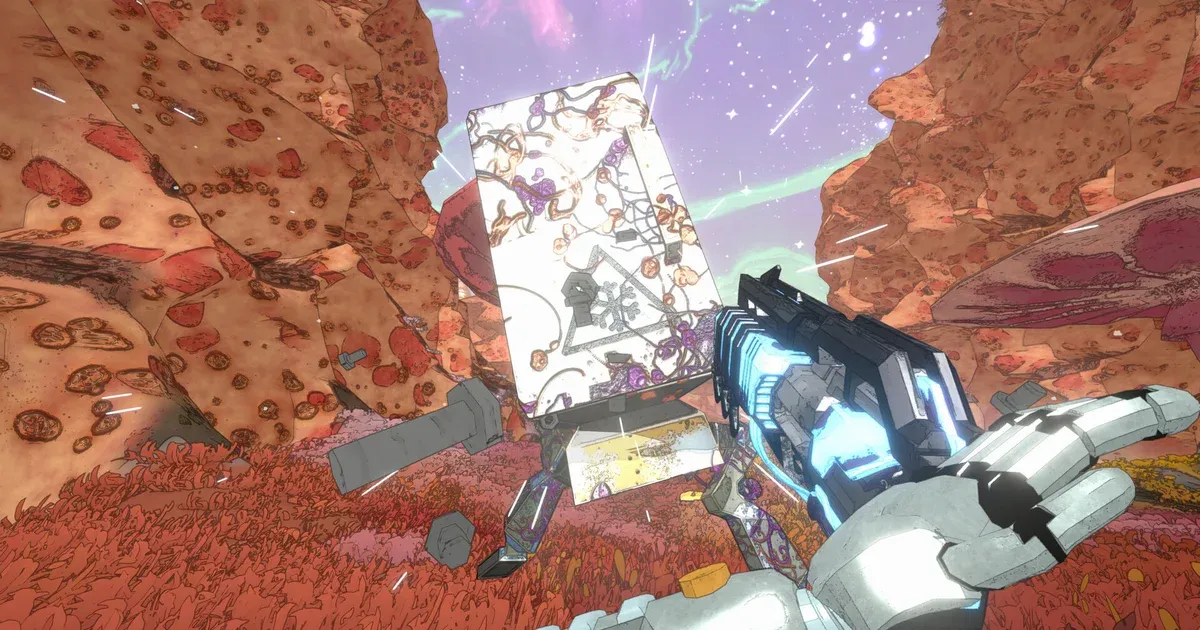
I know you probably don't have mushroom in your backlog, but fungus looter shooter Mycopunk is now out in 1.0 and looks like the opposite of a shiitake time
And lo, mushrooms! This is what I imagine an old timey tour guide might say while on a hiking trail, but we aren't on one of those, so get that wonderful fungi image out of your brain. No, today is the day that Mycopunk has arrived into 1.0, an online co-op looter shooter about embodying robot rejects fending off hordes challenging champignon. The whole loop is essentially you land on a planet overrun with mushrooms, take as many of them out as you can while completing some missions, earn some mods, upgrade your setup, and head back out again. It all looks quite crunchy and punchy, calling Borderlands and Risk of Rain to mind. And with the release of 1.0 (which is half off for the time being, if you're looking to save some money), a whole bunch of bits have been added in.

Newly discovered protein controls the space between mitochondrial membranes - News-Medical
Mitochondria are the tiny powerpacks that supply most of the energy our cells need. Their ability to generate this energy relies on a distinctive architecture: two membranes, one tucked inside the other, separated by a narrow gap called the intermembrane space (IMS). This tiny space helps sustain the chemistry of energy production, making its organization critical to how these cellular powerpacks function. Now, a new study led by a University of Ottawa Faculty of Medicine investigator reports a potentially transformative discovery: the volume of the IMS is genetically controlled and adjustable. By controlling where this space expands or narrows within each mitochondrion, cells can actively shape the internal architecture of their powerpacks and tune how they function.

Ancient virus may help explain differences in human and chimpanzee brains - News-Medical
Pandemics can arise wherever animal or human populations are sufficiently large, and they are not confined to the modern age. Johan Jakobsson, Professor of Molecular Neurogenetics at Lund University, believes that the findings from the new study are highly relevant: they show that a virus can cause a DNA sequence to change across an entire population. "The virus we investigated specifically affected chimpanzees. Yet humans and chimpanzees have largely the same genetic makeup. That is why it is important to understand the differences in how genes are regulated. Our findings suggest that one gene, LINC00662, plays a significant role in early human brain development," says Johan Jakobsson.

Child-led citizen science helps Ecuadorian community tackle beach pollution and shape environmental decisions - Phys.org
Graphical summary of the project's key results. Credit: Fernández B., Bustos M., Vera T., Palacios M., Hill D. & Astudillo D. Pollution from human-generated waste in marine ecosystems has reached critical levels, with cigarette butts (CBs) among the most persistent and harmful pollutants. Globally, an estimated 4.5 trillion cigarette butts are discarded annually, making them the most common type of litter on beaches over the past three decades.

Shared meiosis proteins show surprising functional differences across animals - News-Medical
Every egg cell and sperm cell depends on meiosis, a tightly choreographed process in which chromosomes find their partners, exchange genetic material, and then divide. When meiosis goes awry in humans, the consequences can include infertility, miscarriage, and birth defects. A new study from the Stowers Institute for Medical Research, published in Science Advances, shows that the molecular machinery guiding this process is more widely shared across animals than expected, and more flexible. The surprise was that familiar-looking parts were not always doing the same jobs, revealing an unexpected flexibility in how meiosis works across evolution.
0 comments
No comments yet. Be the first to share your thoughts!