Scientists are people too, a new book reminds readers - Science News
This story deserves to be shared
Send it to someone who'd care, or post it on your networks.
This article is an excerpt. To read the full content, visit the original source. Science News
Related articles
Antarctica’s “Doomsday Glacier” Could Raise Sea Levels Twice As Much as Scientists Feared - SciTechDaily
Even without further warming, Thwaites Glacier could contribute twice as much to sea level rise by 2100 as previously estimated, according to a revised ice sheet model. Thwaites Glacier in West Antarctica has been retreating and thinning rapidly, while satellites show substantial acceleration in its ice flow. Traditional ice sheet models have depicted slower movement, [...]
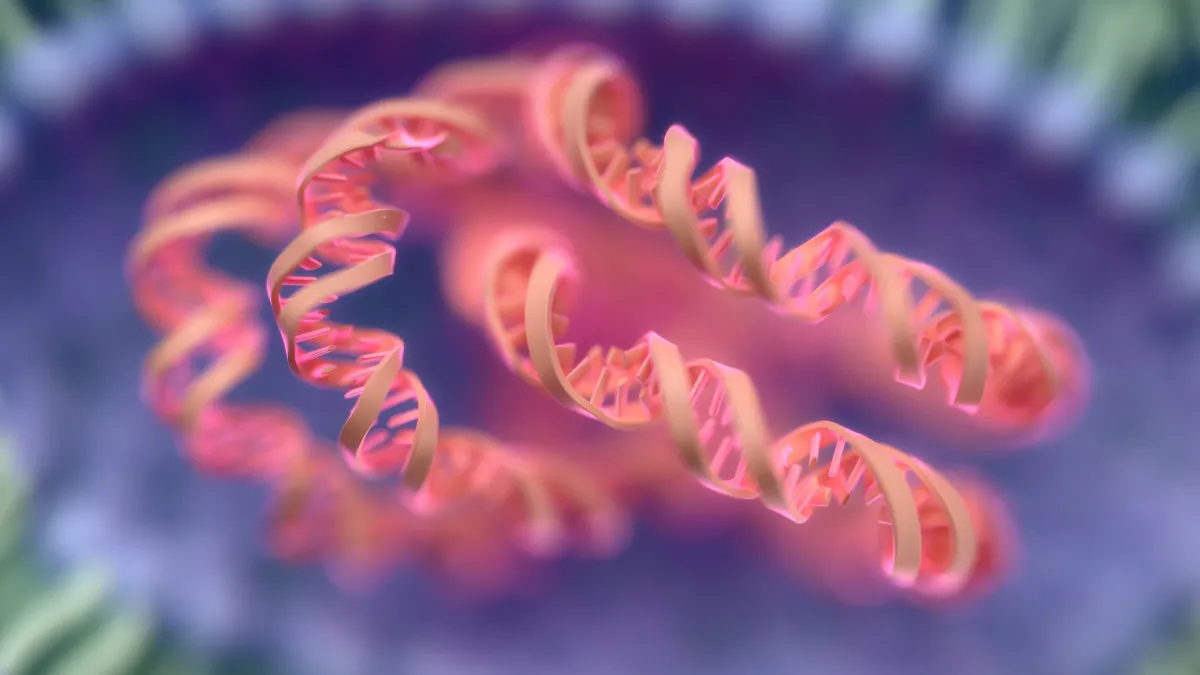
Too Much RNA Can Actually Starve Cells of Energy, Study Finds - ScienceAlert
A visualization of an mRNA strand. (koto_feja/iStockphoto/Getty Images) RNA, or ribonucleic acid, is one of the most important molecules in keeping the body functioning correctly. One of its main jobs is to turn the information stored in our genetics into actual proteins that build and operate cells, for example. To stay healthy, cells keep RNA production and deletion in a careful balance, but there are ways this balance can be tipped over. Invading viruses tend to produce more RNA, and aging, certain cancers, and neurodegenerative diseases can also cause disruption. In a study published in PNAS, researchers outline a newly discovered way that too much RNA can cause harm: It can interfere with tiny power plants called mitochondria inside cells, limiting their energy production capacities. According to the team behind the study, led by researchers from Texas A&M University, this gives us an important new perspective on age-related diseases, viral infections, and therapies that target or utilize RNA.

October's 'Hunter's Moon' stalks into the autumn sky tonight: Here's what you need to know - Space
October's full moon takes to the autumn sky tonight. Here's when and where to look, and how it earned its nickname of the "Hunter's Moon."
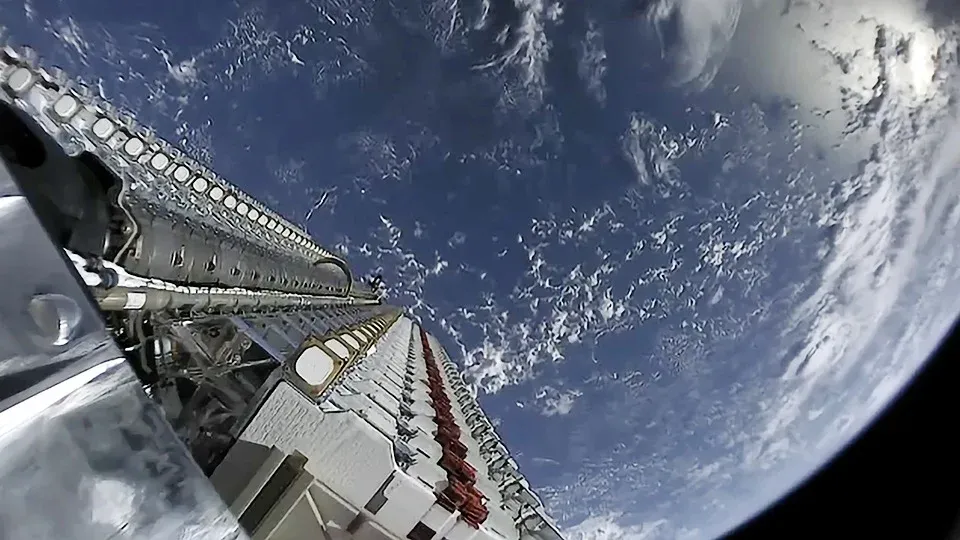
NASA Moves Artemis III Docking Test to 2027 - KeepTrack
0% Maurice Stellarski NASA's revised Artemis plan has Orion dock with Starship and Blue Moon in Earth orbit on Artemis III in summer 2027, with a crewed landing on Artemis IV in 2028. Top Stories NASA used a Friday news conference to detail how it plans to put astronauts back on the lunar surface as early as 2028. The revised architecture has Orion docking with SpaceX’s Starship lander in high Earth orbit before the transit to the Moon, rather than meeting it in lunar orbit. Blue Origin’s plan takes four New Glenn launches with no spacecraft-to-spacecraft refueling, and Blue Moon could meet Orion in low lunar orbit.
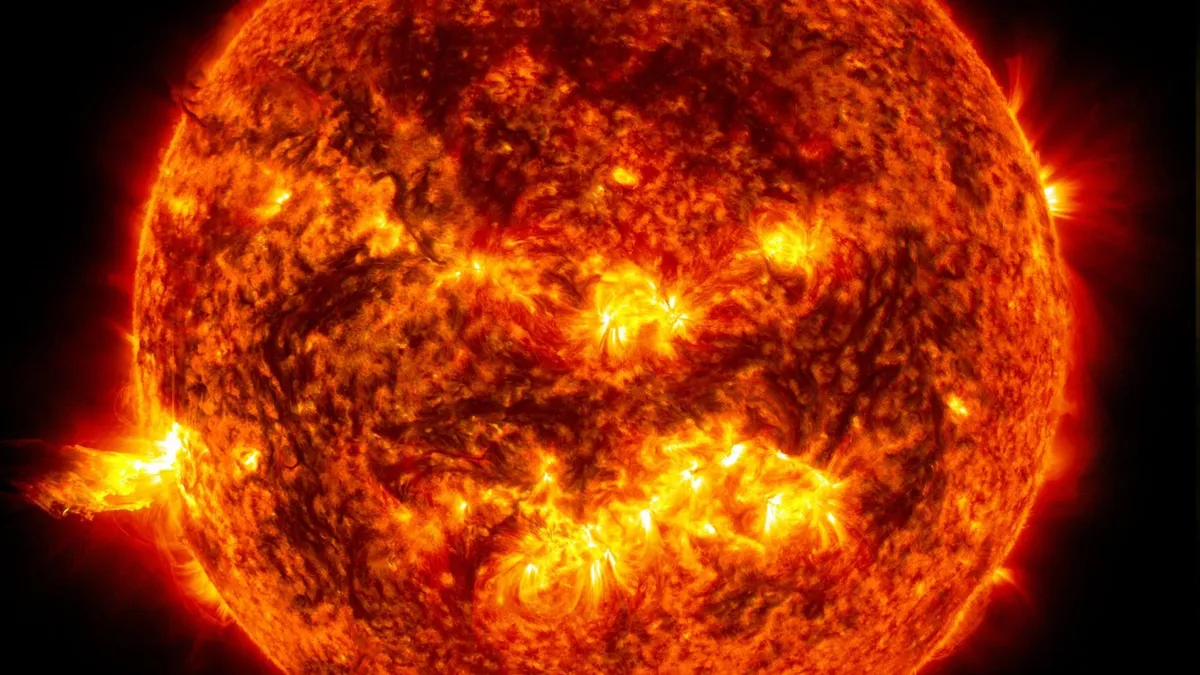
Scientists Simulated Solar Explosions in The Lab – And May Have Solved One of The Sun's Biggest Mysteries - ScienceAlert
Move away from a fire, and you expect to feel cooler. But with the Sun, something very strange happens. The Sun's outer atmosphere is hundreds of times hotter than its visible surface. Where does the energy behind that difference come from? The visible surface is around 5,500 °C, while the outer atmosphere, called the corona, can exceed a million degrees Celsius. Scientists have spent decades trying to explain how this thin layer stays so hot. Researchers in China have now demonstrated a process in the laboratory that could help explain some of that heat. Growing structures in laser-produced plasma brought magnetic fields together, allowing magnetic energy to become heat. In an experiment, the peak electron temperature was almost twice that measured in a comparison experiment. Coronal rain observed by NASA's Solar Dynamics Observatory in July 2012, as cooling plasma fell back toward the Sun along magnetic field lines.

What happened when humans encountered Gigantopithecus? - Live Science
Gigantopithecus was the largest primate that ever lived. What would have happened when human ancestors encountered it?
0 comments
No comments yet. Be the first to share your thoughts!