Scientific objectivity is a myth – cultural values and beliefs always influence science and the people who do it - The Conversation
This story deserves to be shared
Send it to someone who'd care, or post it on your networks.
This article is an excerpt. To read the full content, visit the original source. The Conversation
Related articles

The cult of objectivity has broken consciousness science - IAI TV
With 22 competing theories and no consensus in sight, the science of consciousness is lost. In this exclusive IAI interview, Berkeley psychedelics researcher and bestselling author of a new book on consciousness Michael Pollan insists that even though consciousness lies beyond traditional forms of scientific investigation, we should resist becoming dualists who see it as something radically different from ordinary stuff in the world. Instead, he makes the case for reimagining science itself: it must stop reaching for objective descriptions of physical reality, and instead embrace subjectivity as the indispensable core of all inquiry. Alasdair Craig: How did your experiences with psychedelics get you interested in consciousness? Michael Pollan: One of the things that happens on psychedelics is that they foreground consciousness. What formerly seemed perfectly transparent and ever present—and yet, non-existent, as water is to fish—suddenly you see it. The metaphor I use in the book is that psychedelics sponge the windscreen. Suddenly you realize: wow, there’s a windscreen, there is this phenomenon that’s mediating my relationship to reality.
Challenging the Objectivity of Science - Philosophy Now

Science overturns beliefs: this dog breed is not the smartest after all - Futura, le média qui explore le monde
The Futura Team represents the pulse of Futura’s editorial department, bringing together a collective expertise dedicated to the dissemination of scientific knowledge. Rather than the work of a single author, every article published under this signature is the result of a rigorous collaborative process involving journalists, editors, and fact-checkers. Specializing in news analysis via desk research and international wire services, the team focuses on transforming raw information into accessible, verified content. This curation and synthesis process ensures constant monitoring of technological innovations and major scientific breakthroughs. By cross-referencing sources and conducting multiple rounds of peer review, the Futura Team guarantees scientific accuracy and pedagogical clarity. This collective signature serves as a hallmark of trust, providing reactive, cross-disciplinary information at the forefront of current events Just when you thought you had the answer to “which dog is the smartest?” science flips the script! A Belgian breed has just outpaced the Border Collie—long hailed as the undisputed king of canine smarts—in a no-nonsense cognitive showdown.
Camille Bordas on Other People’s Beliefs - The New Yorker
Chimpanzees rationally revise their beliefs - Science | AAAS
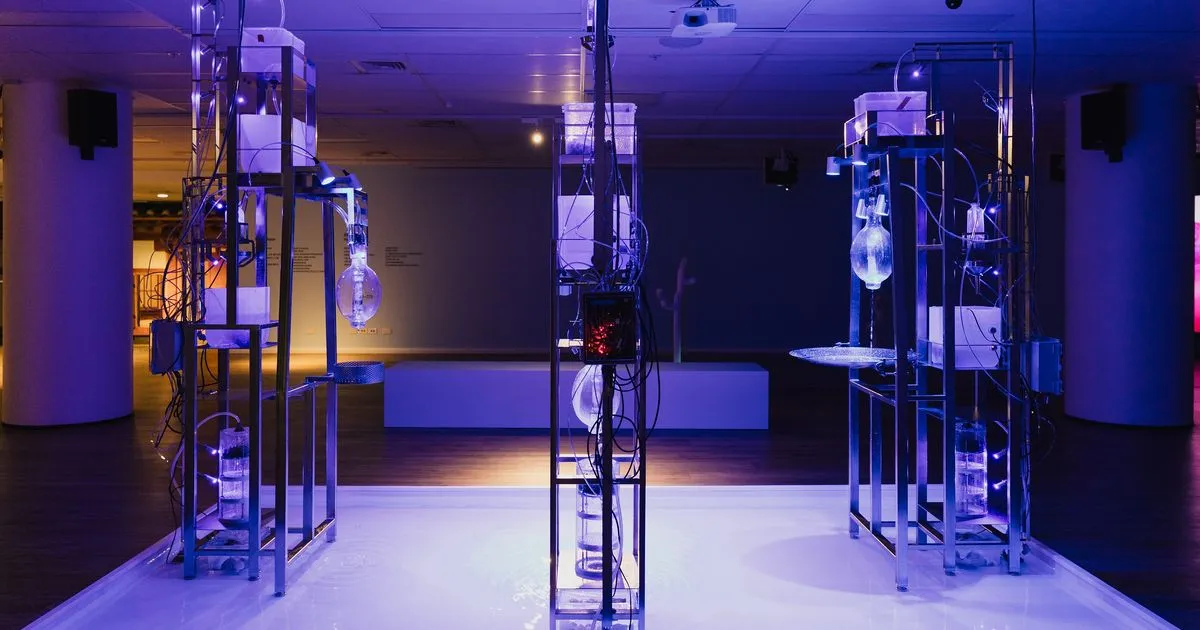
Boo Jihyun, Hyewon Kwon, eco orot: Aqua Paradiso - E-Flux
AustraliaAqua Paradiso was an exhibition curated in 2022 by the National Asian Culture Center (ACC). This contemporary art project brought together 11 artists from Asia and around the world to explore the theme of “water” from aesthetic, philosophical, and ecological perspectives. The exhibition took place over a three-month period at ACC in Gwangju, offering a multilayered examination of the primordial nature of life contained within water and its relationship with human society. Aqua Paradiso now continues in 2026 as a touring exhibition at Korean Cultural Centres in India and Australia. This edition features three of the Korean artists who took part in the original exhibition: Hyewon Kwon, Boo Jihyun, and Eunhae Jung (eco orot). Each uses a different visual language to approach the responsiveness and dynamics of water and the transformative sensibilities of the Anthropocene era. More than just a resource or part of the backdrop, the exhibition looks at water as a sensory presence and ecological actor. Ancient civilizations viewed water as the emotional product of transcendent deities, harboring feelings of the sublime in the face of its overwhelming majesty.
0 comments
No comments yet. Be the first to share your thoughts!