Science Fields and Methodology Came from a Christian Worldview - Answers in Genesis
This story deserves to be shared
Send it to someone who'd care, or post it on your networks.
This article is an excerpt. To read the full content, visit the original source. Answers in Genesis
Related articles

New Science Center with a Biblical Worldview Coming to Ontario, Canada - Answers in Genesis
Joe Owen, our Director of Worldwide Outreach, is helping Cántaro Institute launch this new Worldview Science Center. I encourage you to read all the details in the press release below from Christian Renewal Magazine and consider supporting this exciting project. A quiet property in southern Ontario is becoming the setting for a much bigger story. What was once a boys’ military school is now being reimagined as Worldview Campus—a Christian ministry hub designed to serve families, churches, students, leaders, and the wider culture. At the heart of that vision is an ambitious new project: the Worldview Science Center.
Interdisciplinary Science Rankings 2026: methodology - Times Higher Education
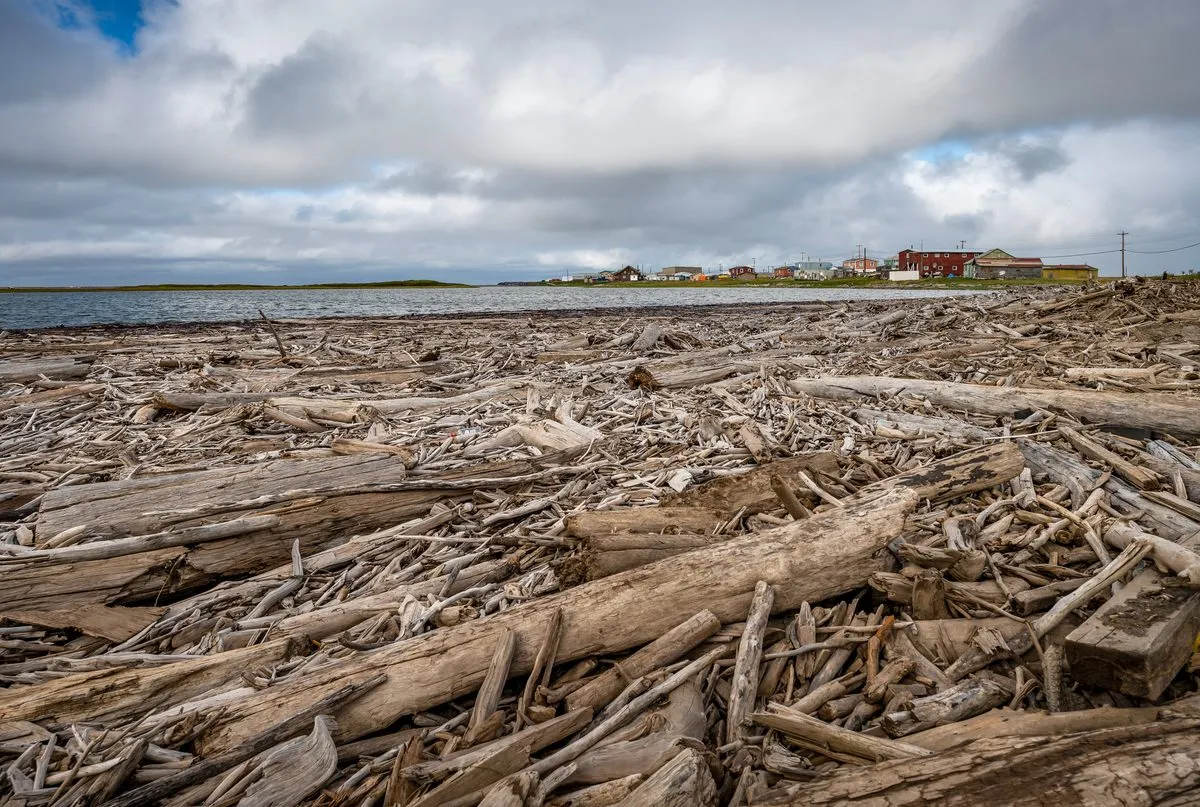
It’s almost as big as Manhattan, holds trees over 1,300 years old and is visible from space. Now it hides a ticking time bomb - BBC Wildlife Magazine
When we think of rivers, we imagine water flowing freely from source to sea. But for some of the world's great waterways, their natural state is to be blocked or dammed by fallen trees – on a massive scale. Today, the world's largest tree-blockages or logjams can be found in the delta of Canada's mighty Mackenzie River. . While the word 'logjam' is a byword for life's annoying obstacles, recent studies have shown that river logjams are vital for wildlife and human communities, and are crucial stores of carbon.

New long‑clawed British dinosaur is the first of its kind in Europe - Phys.org
An artist's illustration of the new theropod dinosaur, Invictibellatrix amberina (center of the image), in its ecosystem on the Isle of Wight, United Kingdom, in the Early Cretaceous (around 120 million years ago). It lived in what was likely a seasonally wet-to-dry floodplain environment and is surrounded by other dinosaurs including large long-necked rebbachisaurid sauropods (directly behind Invictibellatrix, center) and relatives of Iguanodon (right). A spinosaurid theropod, potentially the apex predator of the time, fishes (left). Invictibellatrix has just caught and is consuming two small mammals. Gymnosperms dominate the environment as flowering plants (angiosperms) were not common at this time. Other reptiles including relatives of modern lizards, crocodiles and turtles enjoy the warm Early Cretaceous weather of the U. K. Credit: Sergey Krasovskiy and Pedro Salas The fossilized skull of a new species of mysterious meat-eating dinosaur from the Isle of Wight has been rediscovered in the collections of the Natural History Museum after over 100 years in storage.
0 comments
No comments yet. Be the first to share your thoughts!