Rocahepevirus ratti: molecular evolution, zoonotic potential and public health impact - Nature
This story deserves to be shared
Send it to someone who'd care, or post it on your networks.
This article is an excerpt. To read the full content, visit the original source. Nature
Related articles
One Health Zoonotic Disease Prioritization (OHZDP) - Centers for Disease Control and Prevention | CDC (.gov)

Stakeholders unite to strengthen One Health approach and Zoonotic Disease Preparedness in Dominica - Pan American Health Organization (PAHO)
Roseau, Dominica, 18 May 2026 (PAHO/WHO) - A two-day workshop aimed at developing a nationally agreed and prioritized list of zoonotic diseases in Dominica was held at Jungle Bay Resort from 14-15 May 2026. Led by the Ministries of Health and Agriculture, with support from the Pan American Health Organization/World Health Organization (PAHO/WHO), Food and Agriculture Organization of the United Nations (FAO), and the World Bank under the Pandemic Fund Project for the Eastern Caribbean, the initiative brought together more than 20 participants from the Ministries of Health, Agriculture and Environment, the Bureau of Standards, academia, and other key stakeholders. The workshop was facilitated by Dr. Frederique Dorleans, PAHO Advisor for Social and Environmental Determinants for Health Equity for Barbados and the Eastern Caribbean Countries, and Ms. Tania de Getrouwe Hoost, Livestock Development Officer and FAO Lead Technical Officer. Sessions covered key topics related to zoonotic diseases, including the One Health approach and methods for prioritizing diseases of public health importance.

Study links recreational cannabis legalization to rising heart attack admissions - News-Medical
Legalization of recreational cannabis in the US is associated with a rise in hospital admissions for cardiovascular disease, finds an analysis of more than 50 million patient discharge records, published in the open access journal BMJ Open. Admissions for atrial fibrillation (abnormal heart rhythm), heart failure, and heart attack all rose faster after the law was enacted in the Western region of the US with the policy than in states without, the analysis shows.
New clinical decision support tool aims to improve chronic kidney disease care - News-Medical
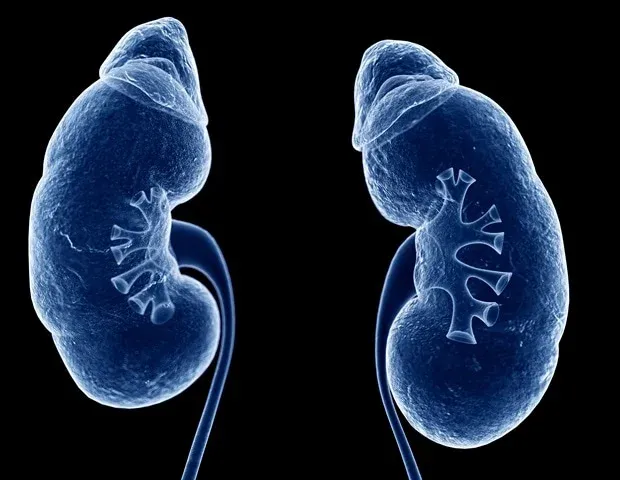
Investigators have developed and validated a clinical decision support tool to improve the diagnosis and treatment of chronic kidney disease (CKD) at the point of care. The research will be presented at ASN Kidney Week 2026 October 22–25. Called Treat CKD, the tool draws on electronic health records data to identify CKD, classify risk by Kidney Disease: Improving Global Outcomes criteria, calculate kidney failure risk using the Kidney Failure Risk Equation, estimate cardiovascular risk using American Heart Association PREVENT equations, and provide recommendations for albuminuria testing, blood pressure management, cholesterol-lowering therapy, cardio-kidney therapies, and nephrology referral.
Counseling Kidney Donors on Future Pregnancy, With Amit Garg, MD, PhD - HCPLive
Future pregnancy plans don’t preclude living kidney donation, but candidates should be counseled on gestational hypertension risk. Future pregnancy plans need not rule out living kidney donation, but candidates should be counseled on hypertensive risk. New data on pregnancy after living kidney donation give transplant teams clearer numbers to share with donor candidates who may want children in the future.¹In a matched cohort study from 3 Canadian provinces, presented at American Society of Nephrology (ASN) Kidney Week 2026 by Amit X. Garg, MD, PhD, and published simultaneously in JAMA, most donor pregnancies were uncomplicated, with a modest increase in hypertensive disorders of pregnancy.¹ Will Donating a Kidney Affect Future Pregnancies? In 2024, more than 40,000 living kidney donations were reported across 88 countries.¹ For donors who may become pregnant later, Garg said the central question is whether donation will affect those pregnancies.
0 comments
No comments yet. Be the first to share your thoughts!