River Run Bancorp’s incoming CEO Sujata Yadav is keeping it local
This story deserves to be shared
Send it to someone who'd care, or post it on your networks.

Yadav grew up in India, and came into banking by chance. She was working at a luxury jewelry startup, and Citigroup was a client. A friend at Citi convinced her to join the bank. Eventually, she moved to New York as she moved up the ranks. A call from a recruiter brought her to Eastern in 2017, and she moved her family to Massachusetts. River Run provides back office services for the three banks, but Yadav says she wants to keep all customer-facing roles distinct at each. She said the strategy combines “the best of both worlds” — the resources of a big bank with a community bank’s personal touch. Each unit has its own board of directors, while River Run’s board consists of directors from all three. Together, the three banks employ about 380 people, and have $3.6 billion in assets. “We think it’s very important to keep the local identity of each bank,” Yadav said. “There is an emotional appeal to these brands. People care about the local identity and the name. A lot of these clients have banked with these banks for generations.”She also has no plans to pursue an initial public offering.
This article is an excerpt. To read the full content, visit the original source. The Boston Globe
Related articles
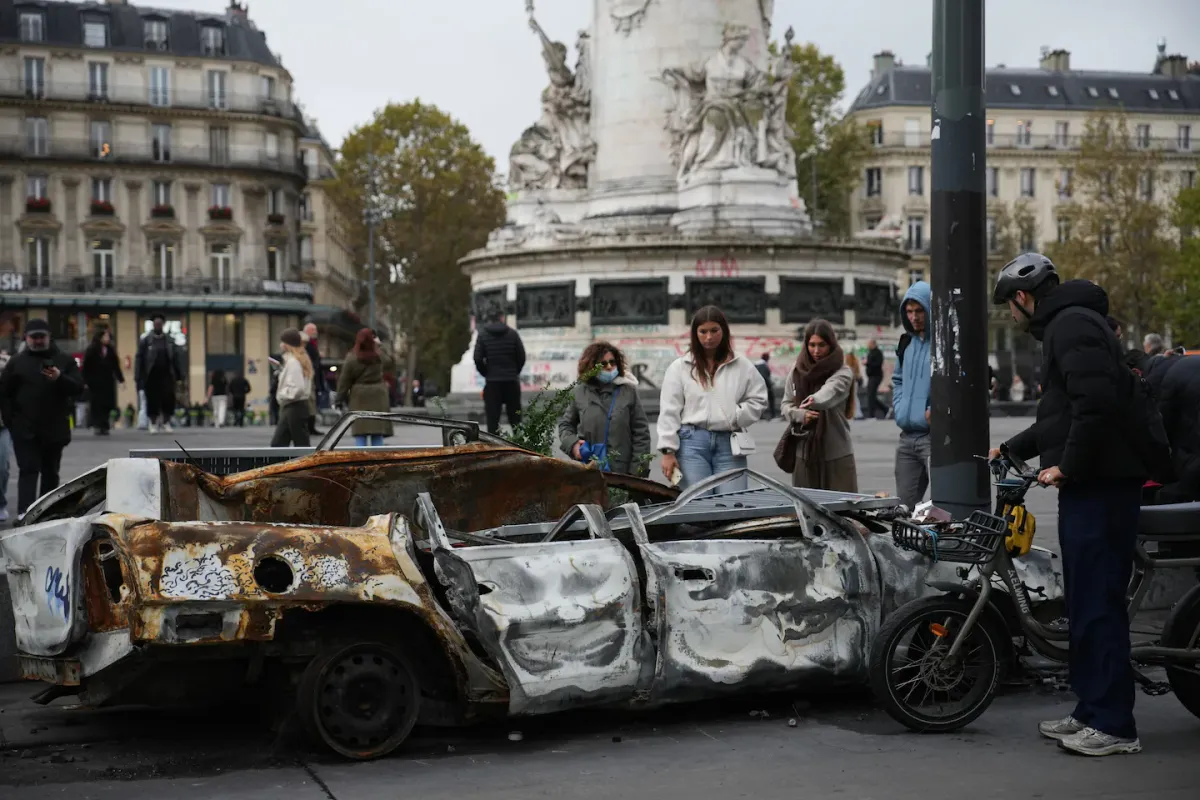
Curfews bring calm to Paris as France cracks down on weekend rioters
PARIS (AP) — Paris returned to calm on Tuesday after its first quiet night since a weekend marred by France’s most destructive rioting in years, as authorities imposed curfews in several cities in an effort to prevent another round of rioting and looting. At least 2,400 people were arrested after rioters in cities across France on Saturday clashed with police, set cars on fire, stormed public buildings and engulfed a historic city hall in flames, during nationwide protests against rising living costs and poor conditions in schools. On Sunday evening, small groups set fire to trash bins, bicycles and other objects in the streets and looted businesses in Paris, Lyon, Marseille and other cities. In the capital, a curfew ran from 11 p.m. on Monday to 6 a.m. Tuesday, and a police helicopter circled over Place de la République overnight, a central point in the weekend clashes, sweeping the square with a searchlight to check that the order was being respected.
Closures set for Montreal this weekend
The Ministère des Transports et de la Mobilité durable informs the public that Highway 25, including the Louis-Hippolyte-La Fontaine tunnel, will be closed toward Montreal during this weekend.…

Haruki Murakami probes personal and universal memories in ‘Abandoning a Cat’
Seven years ago, in the pages of The New Yorker, Haruki Murakami published an essay so odd, so vulnerable, so personal that it burrowed into my psyche and changed the way I view a favorite author forever. That essay, “Abandoning a Cat,” has since been expanded into a slim, small, beautiful hardcover book that will appear in the U. S. this month. If you’re considering buying the book for a cat lover in your life, however, think again. An anecdote involving a cat that Murakami and his father abandoned is merely a portal onto a painful and perplexing history: personal, familial, cultural, national, and ultimately universal. The story that emerges is quietly devastating, all the more powerful for the restraint and epistemological humility with which Murakami presents it. “Abandoning a Cat” begins with deceptively casual ease: “Of course I have lots of memories of my father. It’s only natural.” Soon, however, the potentially comforting abundance of memory turns cold comfort: these visions of the past are often fragmentary, lack context, or impossible to interpret. The memory of abandoning the cat is epitomizing.
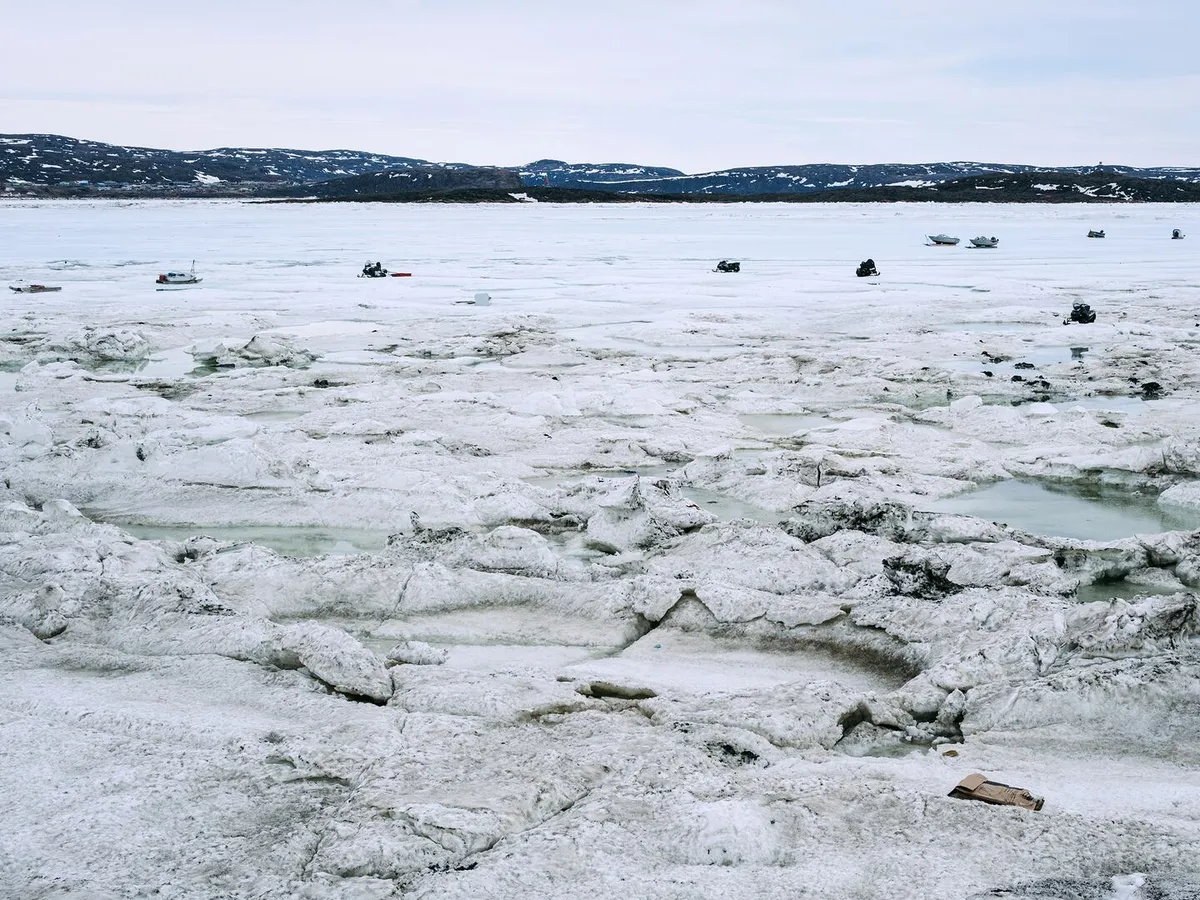
EU unveils a new Arctic push as global warming and security threats reshape the region
BRUSSELS (AP) — The European Union laid out a plan on Tuesday to increase its footprint in the Arctic as global warming, conflict and competition for energy resources and critical minerals pose fresh challenges. The EU move comes after threats from U. S. President Donald Trump to take control of Greenland, a self-governing territory of Denmark, and after he left Iceland uneasy by posting a map with the colors of the American flag over both islands. Other pressures are mounting as the Arctic warms about four times faster than the global average. New shipping routes are opening, China is doing more trade through the Arctic region, and a Russian military buildup is also heightening security concerns. “When we see that sovereignty, territorial integrity and the rules that have underpinned stability in the region can no longer be taken for granted, we have to act and change our strategic posture,” European Commission President Ursula von der Leyen said. The EU wants to help set up a cable center to monitor, protect and repair undersea communications cables in the North Atlantic and Arctic. Russian submarines are suspected of planning to sabotage some marine infrastructure there.
0 comments
No comments yet. Be the first to share your thoughts!