Research-integrity sleuths say their work is being ‘twisted’ to undermine science - Nature
This story deserves to be shared
Send it to someone who'd care, or post it on your networks.
This article is an excerpt. To read the full content, visit the original source. Nature
Related articles
As Houthi attacks undermine Saudi security, a cautious kingdom recalibrates - The Christian Science Monitor
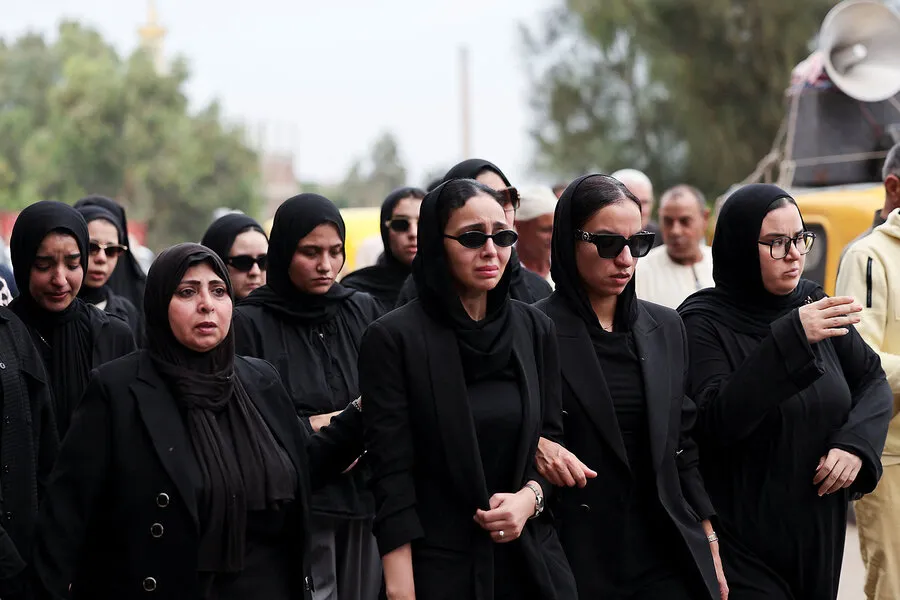
Saudi Arabia spent months trying to stay out of the U. S.-Israel-Iran war and convince Washington and Tehran to end the conflict. But deadly attacks by Yemen-based Houthis at Saudi airports over the weekend are pushing the kingdom’s normally cautious leadership to take more drastic military action to restore public and investor confidence in Saudi security, according to an analyst and palace insiders. The shift has broad implications for the region, the United States, and the kingdom’s diplomatic efforts to contain the Iran war. And it has left Saudi Arabia ramping up its own conflict in Yemen – with or without requested U. S. assistance. On Tuesday, the Saudi-led coalition intensified airstrikes against the Iran-backed Houthis in Yemen, who control Sanaa, the capital. The turning point came on Saturday, when a Houthi cruise missile hit a passenger terminal at the King Khalid International Airport in Riyadh, killing 13 travelers and airport workers and wounding more than 300 others, many of whom remain in critical condition. It was the deadliest militant attack in Saudi Arabia since the Islamic State bombing of a mosque in Qatif in 2015.
One of Earth’s most powerful supervolcanoes is refilling with fresh magma - Science Daily
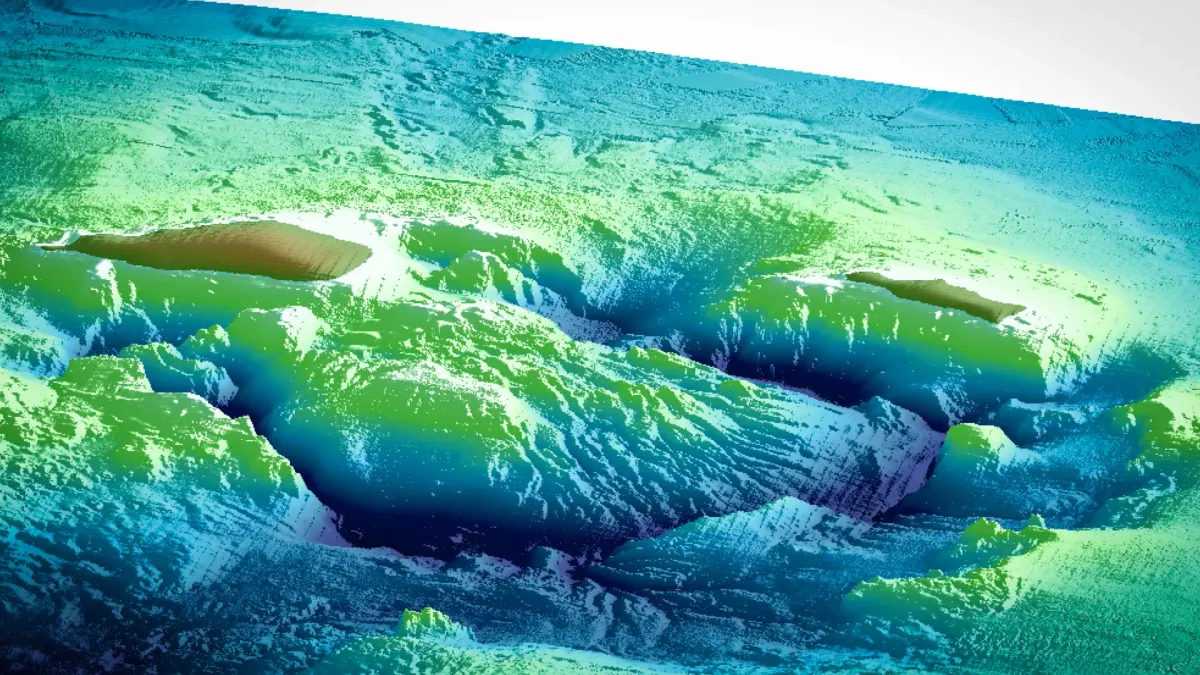
One of Earth's most powerful supervolcanoes is slowly refilling its enormous underground magma reservoir, thousands of years after producing one of the largest volcanic eruptions in recent geological history. Scientists at Kobe University have discovered evidence that fresh magma is accumulating beneath Japan's Kikai caldera, which unleashed a catastrophic eruption about 7,300 years ago. The discovery offers a rare look at how giant volcanic systems rebuild their magma supplies after massive eruptions. It could also provide important clues about the behavior of other supervolcanoes, including Yellowstone in the United States and Toba in Indonesia, potentially helping scientists improve their ability to recognize warning signs of future eruptions.
0 comments
No comments yet. Be the first to share your thoughts!