Rescuers blame weather and 'underprepared skiers' for rise in Alps avalanche deaths - BBC
This story deserves to be shared
Send it to someone who'd care, or post it on your networks.
This article is an excerpt. To read the full content, visit the original source. BBC
Related articles
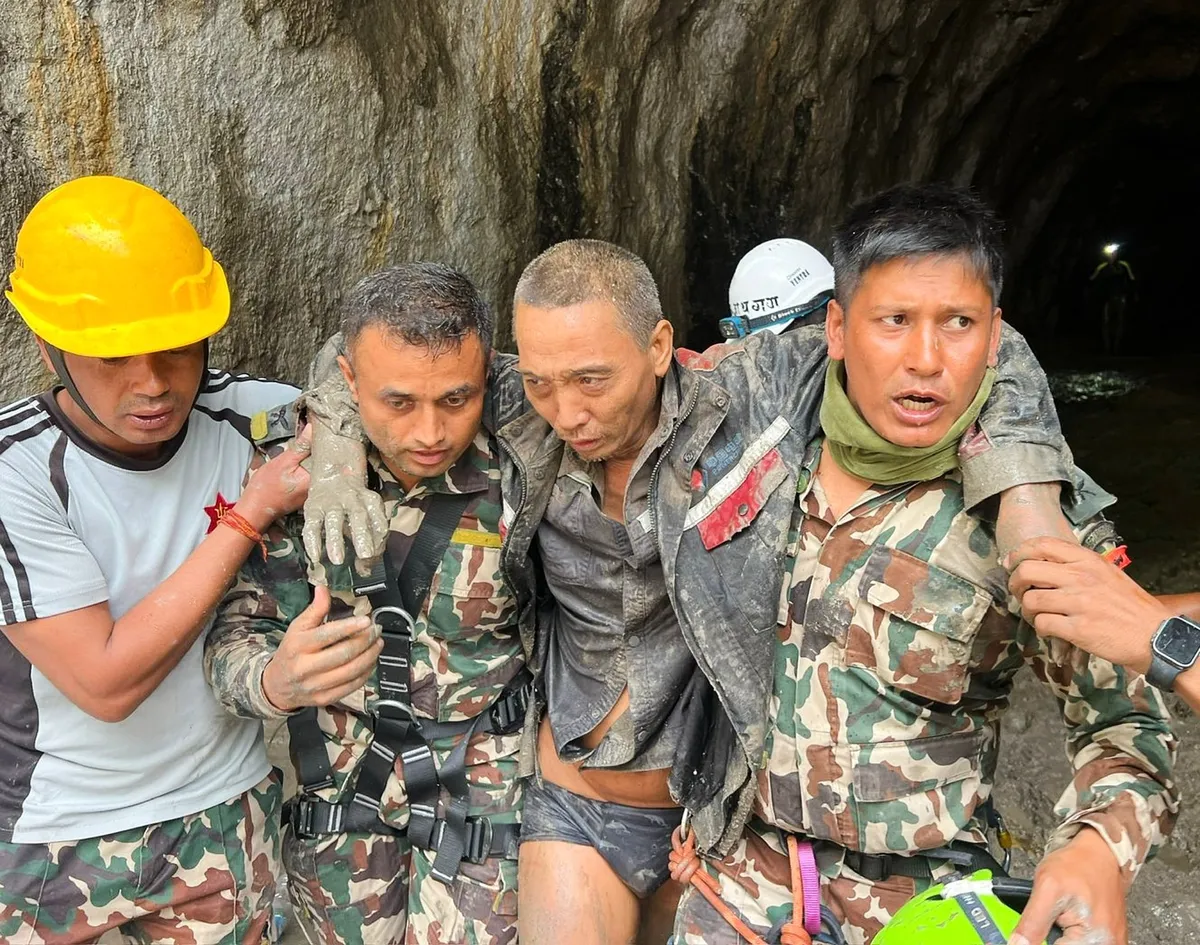
Rescuers in Nepal pull 2 people alive 10 days after devastating floods
Nepal woman rescued after floodKATHMANDU, Nepal (AP) — Rescuers in Nepal pulled out a Chinese man and a woman in separate operations Saturday, 10 days after devastating floods hit the country, as teams continued searching for thousands of missing people. The man was rescued from a hydropower tunnel, according to a social media post by the country’s prime minister’s office, bringing the total to three workers pulled alive from the Trishuli hydropower project. Two Nepalese workers were rescued on Friday. "I couldn't believe it"Nepal's army said a joint rescue team of Nepalese military personnel and South Korean disaster experts rescued the man from a 225-meter (about 740-foot) tunnel and that he was undergoing a health assessment. Images showed him being evacuated by helicopter, with an army medic checking on him during the flight. In this photo provided by the Nepal Army, a Chinese national is seen after being rescued by soldiers during an ongoing operation at the Trishuli-3A hydropower project in Nepal's Rasuwa district, Saturday, Sept.
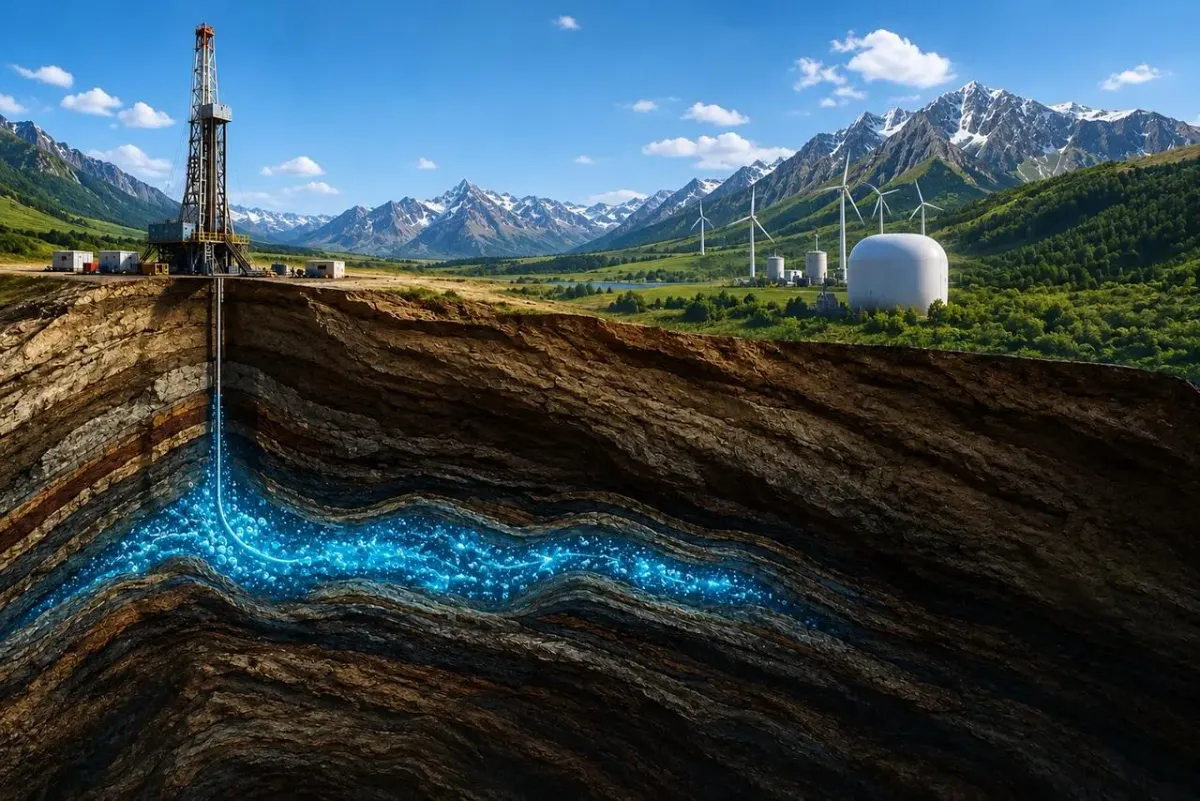
A hidden energy “treasure” under the Alps and Pyrenees? Scientists stunned - Futura, le média qui explore le monde
Could hydrogen be the hidden energy of tomorrow? Recent breakthroughs are strengthening the case for this natural gas—also known as “white hydrogen”—as a key energy player in a decarbonized future. In France’s Lorraine region, for example, deep drilling has uncovered significant concentrations of natural hydrogen, suggesting one of Europe’s largest potential reservoirs. Exploration is now underway to assess whether this really is the windfall it seems. And Lorraine isn’t an outlier. In Canada, scientists have detected natural hydrogen flowing from deep underground, sparking interest in further research into North America’s sedimentary basins. Meanwhile, in Africa, natural hydrogen is already being tapped at Bourakébougou, Mali, to generate electricity—a first globally. Other promising locations have been marked in Morocco, Namibia, and South Africa, where exploration programs are now taking shape.
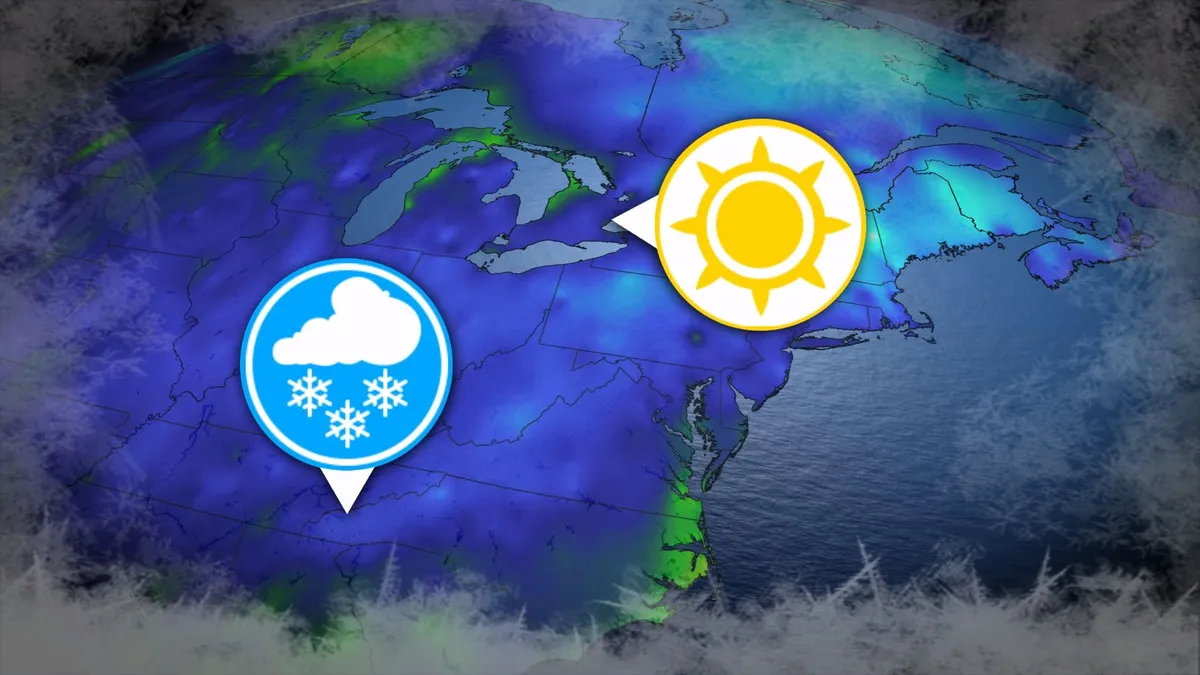
Where’s the frost? Southern U.S. hits freezing before Toronto, Montreal
Toronto and Montreal have remained above the freezing mark every day for almost six months. While frosts and even some snowflakes have intruded across parts of Ontario and Quebec in recent weeks, the two cities have yet to reach that magic number. What’s even more remarkable is that a handful of communities across the southern United States have already dipped to the freezing point--and some have even seen accumulating snowfall. DON’T MISS: Official: Canada records first -30°C reading of the seasonThe last time we saw a freezing temperature in either Toronto or Montreal was the second-to-last week of April. Toronto hit -1.3°C early on April 20, while Montreal dipped to -2.0°C the following morning. Our average first frost in both cities occurs right around the middle of October. But warmer-than-normal years can see this milestone slide several weeks past due. Montreal once had to wait 207 consecutive days for its first frost, with the city’s first subfreezing temperature in 2017 waiting until Nov. 7. The latest Toronto’s had to wait to hit the zero-degree mark was Nov. 13, 2022.
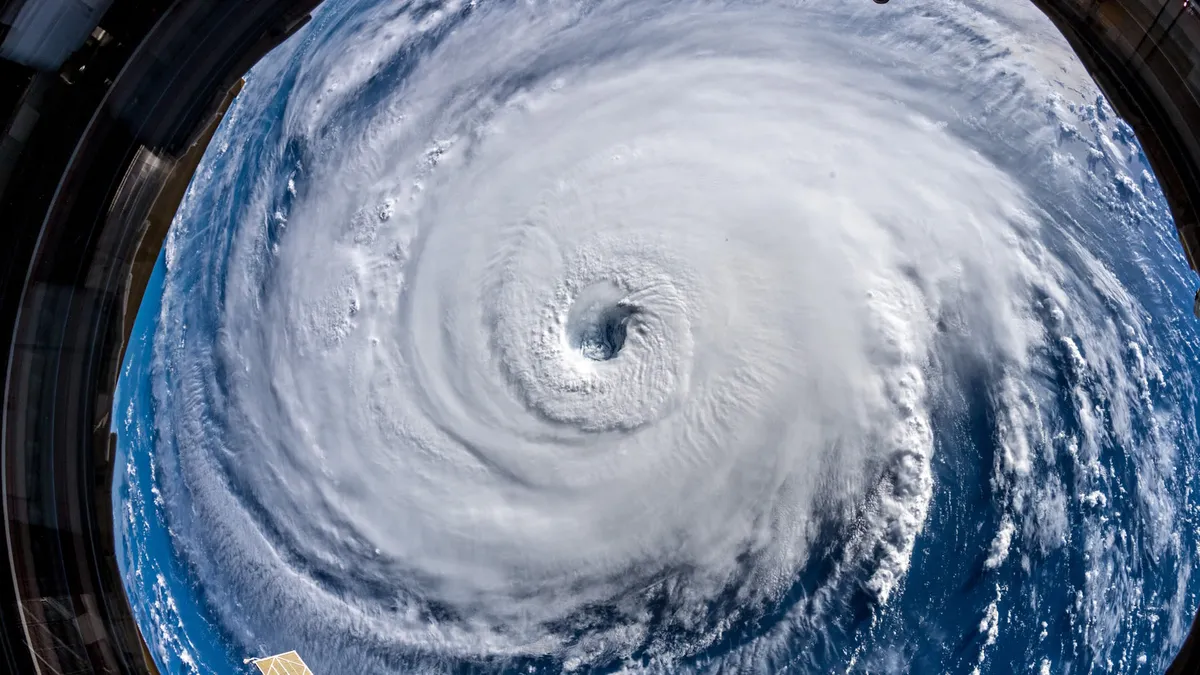
345 km/h: Meet the world’s strongest tropical cyclones
Tropical cyclones top the list of nature’s most powerful storms. Larger than tornadoes and more intense than any single thunderstorm, these systems can change the landscape when they swirl ashore. A handful of tropical cyclones take full advantage of their surroundings to achieve the apex of their potential, the strongest storms nature can produce. DON’T MISS: What’s the difference between hurricanes, typhoons, and cyclones? Tiny fraction of storms achieve upper limitsOnly about 4 per cent of all the world’s recorded tropical cyclones have reached the equivalent of Category 5 strength. Most tropical cyclones are relatively weak and short lived because it’s tough for all the necessary ingredients to align just right. But explosive development can result when all those factors come together in perfect harmony. Strongest Winds: Hurricane PatriciaAn exceptionally favourable setup off the western shores of Mexico in late-Oct. 2015 allowed Hurricane Patricia to grow into the world’s strongest hurricane since reliable observations began in 1966.
0 comments
No comments yet. Be the first to share your thoughts!