Renesas' 2024 Business & Sustainability Report Sharpens Focus on Environment and Sustainable Growth - Renesas
This story deserves to be shared
Send it to someone who'd care, or post it on your networks.
This article is an excerpt. To read the full content, visit the original source. Renesas
Related articles
Porsche sharpens focus on core business - Porsche Newsroom
* Where values are indicated as ranges, they do not refer to a single, specific vehicle and are not part of the offered product range. They are only for the purposes of comparison between different vehicle types. Additional equipment and accessories (add-on parts, tyre formats etc.) can change relevant vehicle parameters such as weight, rolling resistance and aerodynamics. These factors, in addition to weather, traffic conditions and driving behaviour, can influence the fuel/electricity consumption, CO2 emissions, range and performance values of a vehicle. ** Important information about the all-electric Porsche models can be found here.
Pricer sharpens strategy through insights - Business Sweden
Toyota Canada recalls more than 24,000 vehicles over seating issue - CTV News
AtlanticNova ScotiaNew BrunswickPrince Edward Island Newfoundland and LabradorCalgaryLethbridgeKitchenerGuelphNorthern OntarioSudburyNorth BaySault Ste. MarieTimminsOttawaKingstonBrockvillePembrokeReginaYorktonSaskatoonPrince AlbertTorontoWatchWeatherPeelHamiltonDurhamYorkHaltonNiagaraQueen's ParkToronto City HallIn PicturesVancouverVancouver IslandCanadaLocal SpotlightRoyal FamilyPoliticsNanosPower PlayQuestion PeriodFederal Election 2025WorldMideast ConflictRussia-Ukraine WarWatchLatestCaptured on CameraPoliticsLifestyleConsumerHealthExplainedEntertainmentTechnologyDeception DecodedAutosEnvironmentBusinessInflationReal EstateAutos
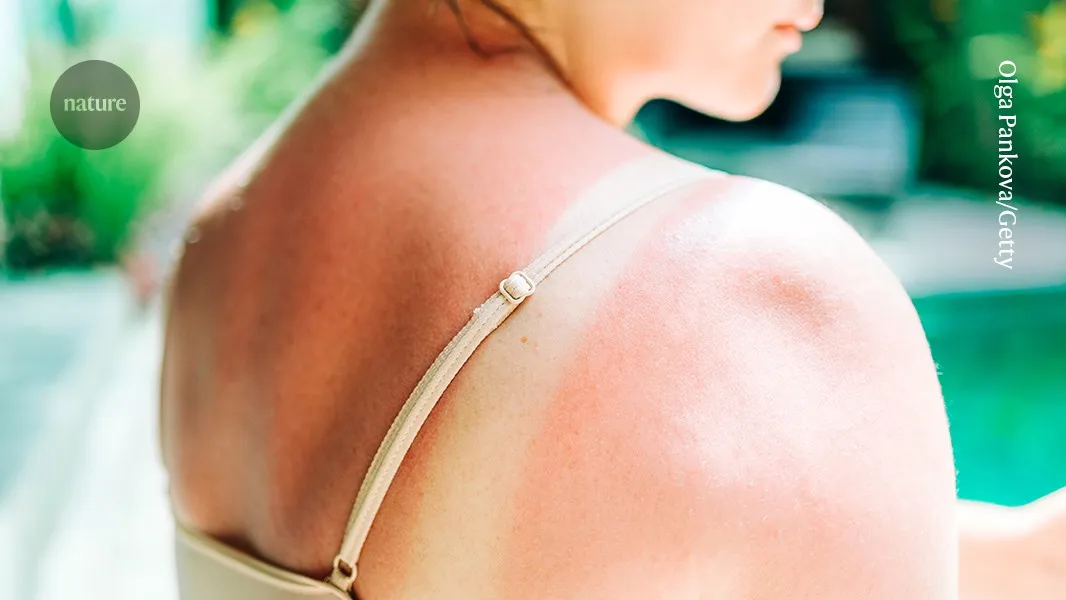
Moderna mRNA vaccine almost halves the risk of skin cancer returning - Nature
Severe sunburn increases the risk of developing melanoma, the most serious type of skin cancer. Credit: Olga Pankova/GettyA personalized mRNA vaccine reduced the risk of skin cancer returning or the recipient dying by 42% when used alongside an immunotherapy drug, according to long-awaited results for what could become the first approved mRNA vaccine for cancer. Oncologists regard a risk reduction of 10% as substantial, says Kristen Radford, an immunotherapist at Mater Research in Brisbane. A risk reduction of more than 40% “would send many researchers over the Moon”, adds Seth Cheetham, a geneticist at the University of Queensland in Brisbane, Australia. The personalized vaccine, called intismeran, is not designed to prevent skin cancer, or melanoma, from developing in the first place, but to stop it returning in people who have already undergone surgery to remove tumours. Anticipation for the trial results has been building since August, when the vaccine’s developers — Merck, based in Rahway, New Jersey, and Moderna, which is headquartered in Cambridge, Massachusetts — announced early positive results.
0 comments
No comments yet. Be the first to share your thoughts!