Removing Barriers to Reconnect Rivers - The Nature Conservancy
This story deserves to be shared
Send it to someone who'd care, or post it on your networks.
This article is an excerpt. To read the full content, visit the original source. The Nature Conservancy
Related articles
Growing wellness: FNHA staff reconnect through traditional tobacco - First Nations Health Authority
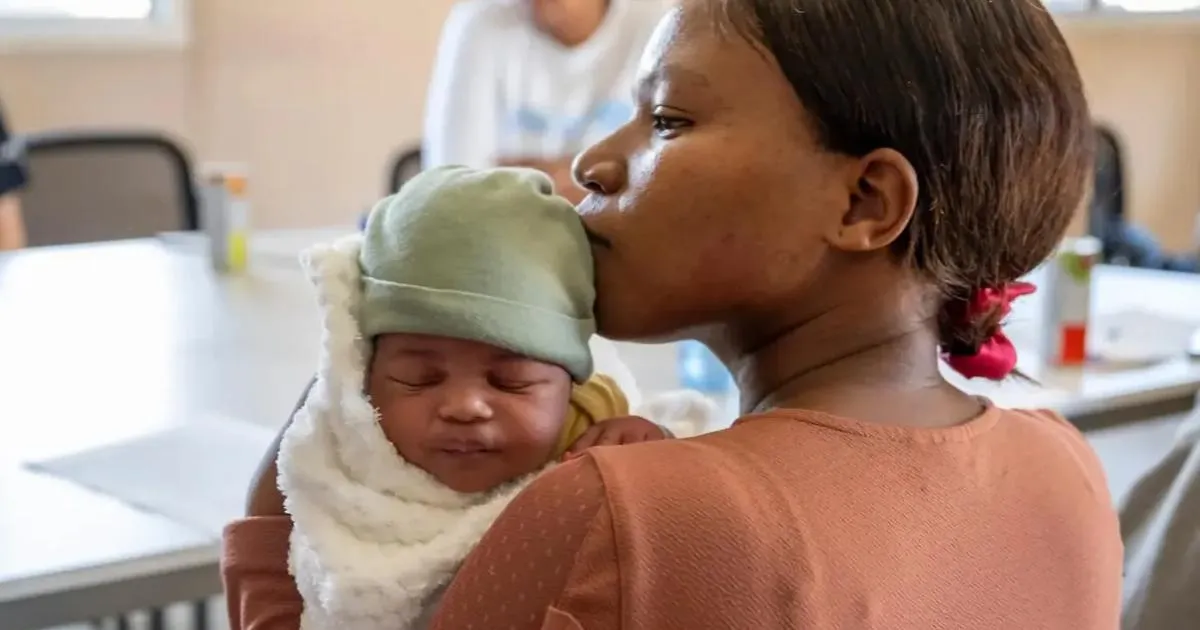
Removing the barriers to women’s health - Unicef
DawaMom is an AI-enabled health platform transforming how women and girls access maternal, reproductive, and preventative healthcare across Southern Africa Across sub-Saharan Africa, maternal and women’s mortality remains unacceptably high. Preventable complications during pregnancy and childbirth kill hundreds of thousands of women each year. Beyond maternal health, cervical cancer, anemia and urinary tract infections go undiagnosed and untreated for far too long, often until they become life-threatening. The barriers are clear: clinics don’t have diagnostics tools, test results take weeks, expert doctors are unavailable and healthcare costs are prohibitive. Women often delay seeking care, sometimes with tragic consequences. DawaMom works across multiple channels to meet women where they are. In slums and rural clinics, DawaMom integrates an imaging and screening platform, leveraging data science and machine learning. It empowers midwives with specialist-level modalities, and enables women to walk in for quick screening and testing.

Ketamine may ease early depressive symptoms after cesarean delivery - News-Medical
Ketamine, a medication used in operating rooms for anesthesia and pain control, may offer another benefit for some new mothers: easing early symptoms of postpartum depression after cesarean delivery (C-section), according to a study presented at the ANESTHESIOLOGY® 2026 annual meeting. A new meta-analysis found that administering ketamine or esketamine (a ketamine derivative) during or immediately after a C-section was associated with a statistically significant reduction in depressive symptoms within the first two weeks after birth, a vulnerable period for women as they recover from surgery and care for their infants.
0 comments
No comments yet. Be the first to share your thoughts!