Remote sensors can cut downtime: Watson-Marlow Fluid Technology Solutions - Manufacturing Dive
This story deserves to be shared
Send it to someone who'd care, or post it on your networks.
This audio is auto-generated. Please let us know if you have feedback.
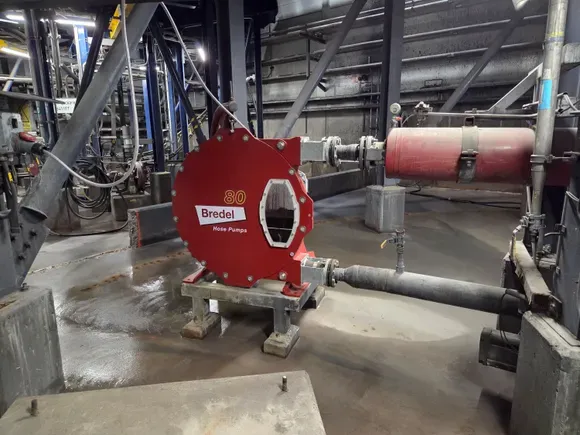
Managing fluids used in manufacturing processes can be challenging, especially when pipes are located in remote places that are difficult to monitor for leaks and other problems.
This article is an excerpt. To read the full content, visit the original source. Manufacturing Dive
Related articles

Whitepaper explores potential of fluid power technology - Engineer Live
A new whitepaper by Haskel is exploring how dependable fluid power technology can support safer, more efficient operations across the oil and gas industry. The sector is facing increasing operating pressures, harsh environments and high equipment failure costs, which are placing greater reliability demands on hydraulic and pneumatic systems. The whitepaper, titled High-Pressure Reliability in Upstream Oil & Gas Operations, examines these challenges.

CROWN: ctDNA Analyses Help Predict Early Progression With First-Line Lorlatinib in ALK+ NSCLC - OncLive
News|Articles|October 24, 2026 Baseline and on-treatment circulating tumor DNA (ctDNA) features, including TP53 mutations and methylation-based tumor fraction, were associated with early progression or prolonged progression-free survival (PFS) with first-line lorlatinib (Lorbrena) in patients with ALK-positive advanced non–small cell lung cancer (NSCLC), in exploratory analyses of the phase 3 CROWN trial (NCT03052608) presented at the 2026 European Society for Medical Oncology (ESMO) Congress.1Compared with long-term responders, who were progression free at 84 months (n = 30), early progressors, who had a PFS event within 12 months (n = 22), had a higher median number of altered genes at baseline (10 vs 6), a higher median blood-based tumor mutation burden (7.7 vs 5.1), and more frequent TP53 mutations (50% vs 17%). In the lorlatinib arm, the 7-year PFS rate was 65.0% (95% CI, 54.5%-77.4%) in patients with TP53 wild-type disease (n = 73) vs 40.8% (95% CI, 27.3%-61.1%) in those with TP53-mutated disease (n = 43; HR, 0.48; 95% CI, 0.268-0.857); median PFS was not reached (NR) vs 51.6 months (95% CI, 16.4-NR), respectively.

Maha AlDoughaim at LeukO 2026: The New Era of CML Treatment, Remission, and Resistance - Oncodaily
CML treatment has transformed long-term survival, allowing many patients receiving effective TKI therapy to achieve a life expectancy approaching that of the general population. Molecular response milestones guide personalized treatment decisions, helping clinicians assess treatment effectiveness, recognize inadequate responses, and adjust therapy when necessary.
0 comments
No comments yet. Be the first to share your thoughts!