Raindrops carry electric charge that eats metal
This story deserves to be shared
Send it to someone who'd care, or post it on your networks.
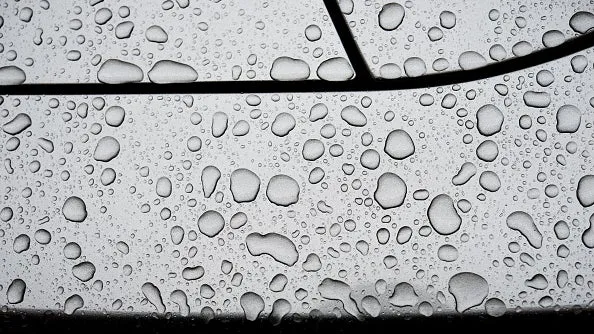
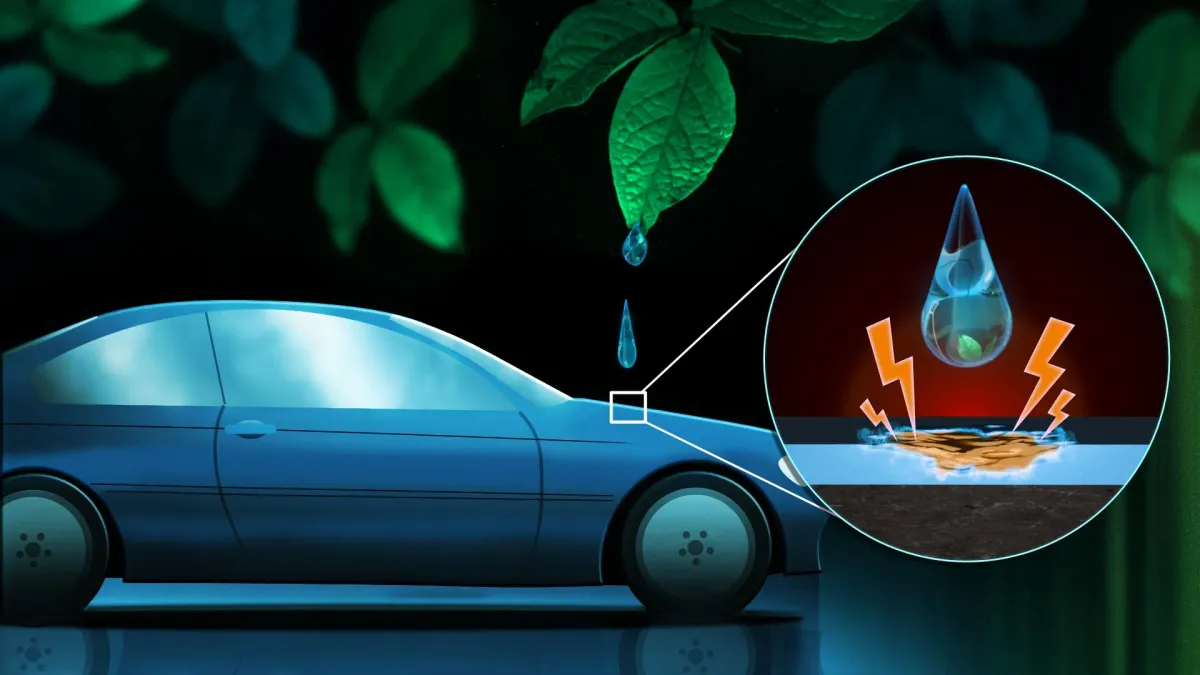
Raindrops sit on a grey sports car in Bamberg, Germany.(David Ebener/picture alliance via Getty Images)Scientists have recently discovered a new source of corrosion that we didn't know about, and it comes from thunderstorms and friction. Researchers from the Max Planck Institute for Polymer Research in Germany found that water carrying an electrical charge can puncture the protective coating on copper and gold in a laboratory. The electricity comes from expected places like a thunderstorm, but static electricity created by friction plays a role, too. They found that water droplets that rolled down a surface as simple as a leaf or as complex as quartz gained a charge that damaged coated metals. This damage did not occur when water droplets were neutralized. It is well known that acids or pollutants cause corrosion, but this new study suggests clean water with just a charge can do the same damage. We should be clear that this was a study carried out in a laboratory, and we don't know yet how much this process occurs in the real world. Get More of Our News on GoogleSet The Weather Company as a 'Preferred Source' to get quicker access to the news you value.
This article is an excerpt. To read the full content, visit the original source. The Weather Channel
Related articles
There's mind-blowing math behind a thunderstorm's raindrops
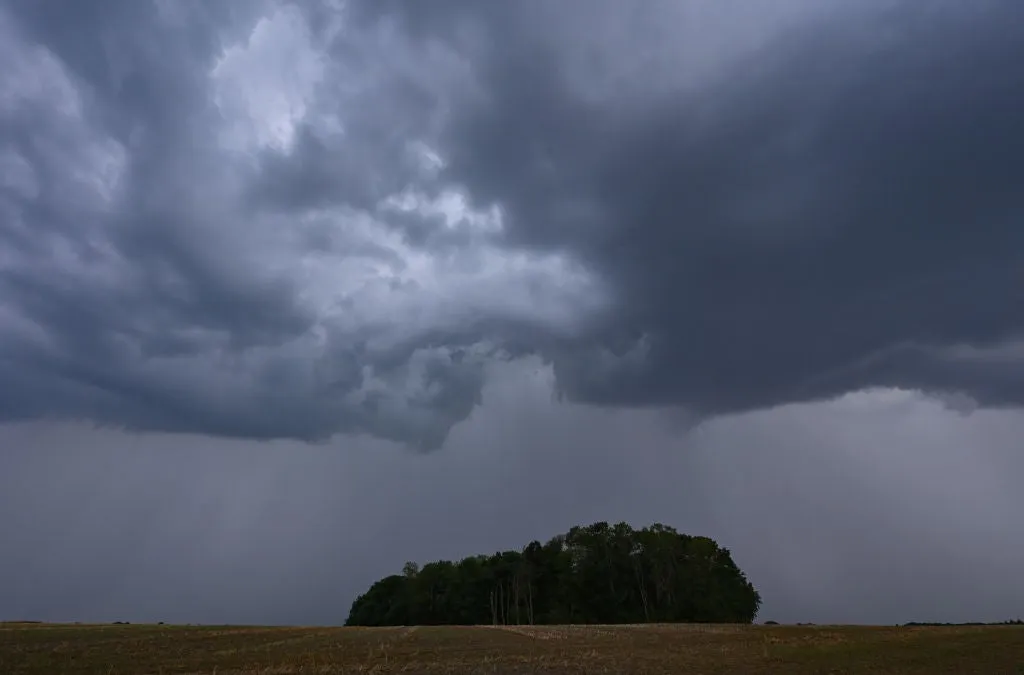
An astounding number of raindrops fall during a single stormAs you watch a summer downpour from the window, you may be thinking about how many raindrops are actually falling. It's hard to conceptualize because the numbers are staggering. Let’s start small. Just 1 inch of rain, falling over 1 square mile, comes out to 17.4 million gallons of water, the National Weather Service says. That water weighs about 143 million pounds, or roughly 72,000 tons. That’s equivalent to about 145 fully loaded Boeing 747s. The cloud holds even more than that before the first drop falls. An average thunderstorm cloud carries about 275 million gallons of water, according to National Center for Atmospheric Research calculations. That’s 1.1 million tons, or roughly 2,300 fully loaded Boeing 747s. If you take the 750,000 gallons of water that pours over Niagara Falls every second, it would take Niagara six minutes to move as much water as one ordinary thunderstorm is already holding in the sky.(Getty Images)Let's do some more mathNow let’s think about it in terms of an actual city. Atlanta's city limits cover roughly 84,100 acres.
Raindrops can damage paint with microscopic “lightning” - Science Daily
Paint exposed to the elements does not last forever. A garden fence may need a fresh coat after only a few years because weather has gradually worn the surface down. The same basic problem affects far larger structures, including the Eiffel Tower and the Golden Gate Bridge, which require extensive repainting to keep their protective coatings in good condition. Scientists have traditionally attributed this type of deterioration to two major processes. One is mechanical stress, in which repeated contact with water droplets creates friction that slowly erodes a coating or causes pieces of it to peel away. The other is chemical damage, especially when the water contains substances such as acids or salts.
Orionid meteor shower 2026: cloud cover forecast by region
A meteor streaks across the sky over a desert in China during the Orionid meteor shower on Oct. 22, 2023.(VCG/VCG via Getty Images)The Orionid meteor shower is peaking this week, and it promises to be one of the most dazzling displays of the year. And while some of you will have clear skies, rain and clouds could impact the view for others. Here's what you need to know about the Orionids and your forecast:Fast factsPeak day: The meteor shower peaks Wednesday night, Oct. 21, into the early hours of Thursday morning, Oct. 22. Peak time: From midnight to dawn are the best hours to catch the meteors streaking through the sky, so plan on a late night or really early morning. What the Orionids are known for: The Orionid meteors are known for their brightness and their speed. As they streak across the sky at around 41 miles per second, the meteors leave behind a glowing "train" that can last several seconds to minutes. While you can make the perfect plan to catch the Orionids, the key to stellar viewing is still in Mother Nature's hands. The good news is that many of you should have good meteor shower-watching conditions. Much of the central and eastern U. S.
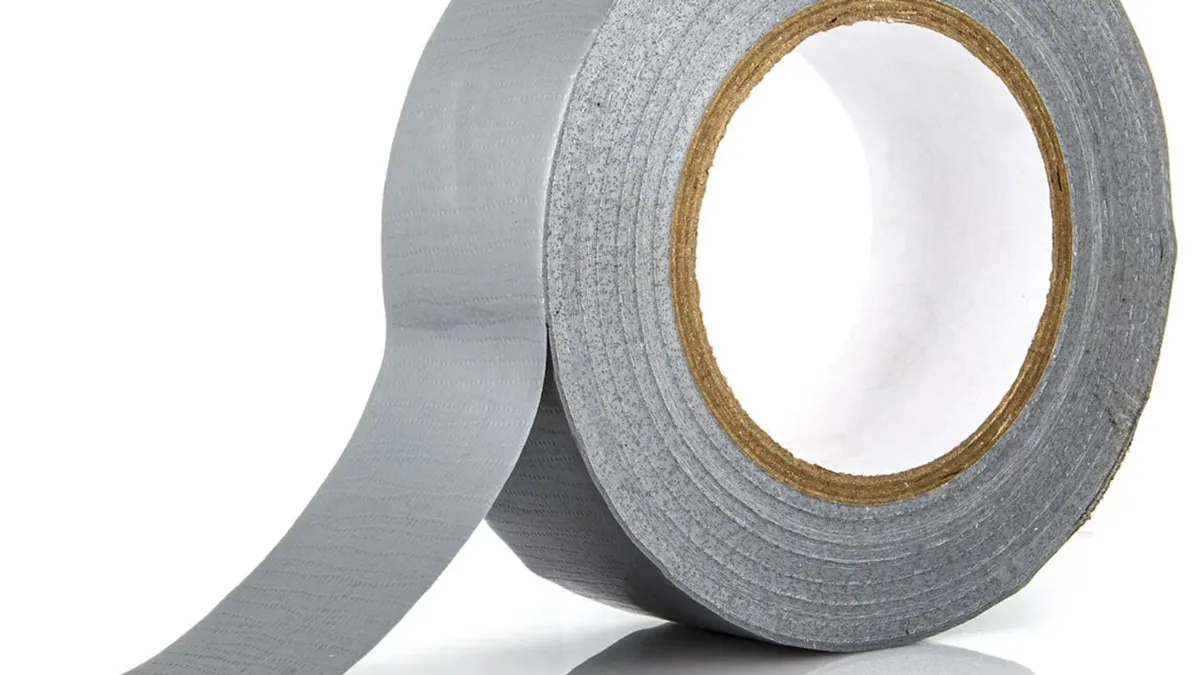
Can duct tape keep out flood water? Here's what lab tests found
(urbanbuzz/shutterstock)Could a cheap roll of duct tape help protect your home from flooding? New research suggests it could make a surprisingly big difference. In controlled tests, correctly applied duct tape on the outside of a household door reduced water leakage by 97-98%. The findings suggest that a simple low-cost measure could substantially reduce the amount of water entering a home during a flood. This is important as one of the key lessons from flood resilience research is that the best time to protect a property is before floodwater arrives. The UK government’s 2025 FloodReady Review called for practical, affordable measures that help households understand their risks and to prepare for flooding. And one potential contribution to this agenda might sound unlikely, at first glance. Duct tape is more commonly associated with household repairs than flood protection. However, tests colleagues and I conducted at the University of Hull demonstrated how much water can enter a property through an unprotected doorway during a flood. Three doors, ready for flood-testing.
Trudy’s moisture will trigger a flood risk for Southwest US
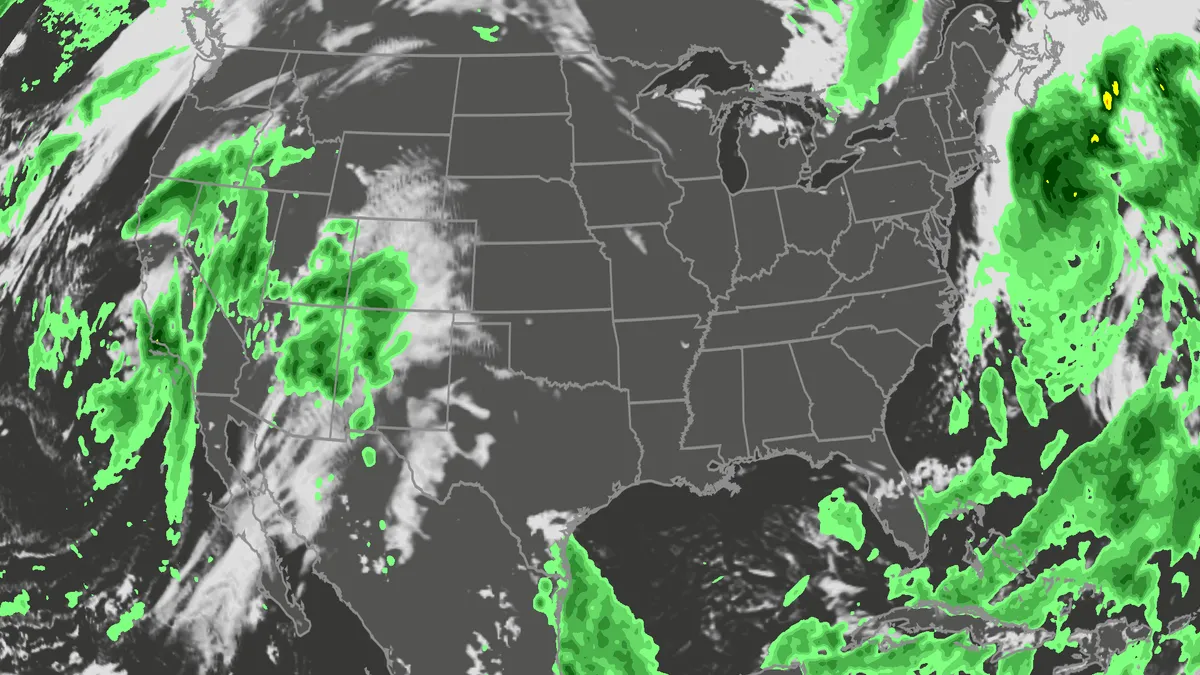
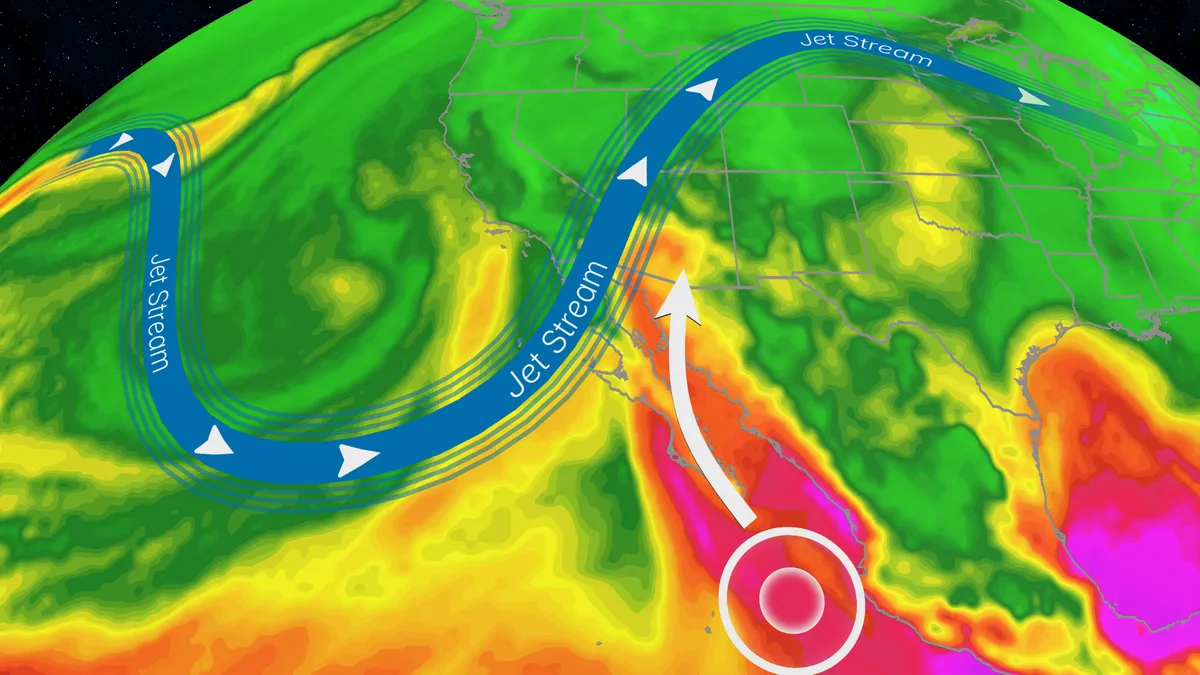
Hurricane Trudy will bring flood threat to the Southwest USTrudy is off the Mexican coast, however, its moisture will pour into the Southwestern U. S., helping fuel a multiday flood risk across seven states this week from California to Colorado. A dip in the jet stream will also funnel in moisture from the Pacific as a strong low pressure system moves into the region. Timing out this week’s rainfallWednesday: The highest risk of flooding on Wednesday covers much of Arizona and parts of New Mexico, as well as southern portions of Colorado and Utah. There will be an abundance of moisture available to support heavy downpours and training storms. This means storms will produce heavy rain over the same areas for long periods of time. The Weather Prediction Center is forecasting rainfall rates as high as 2 inches per hour. Some of the biggest concern will be the possibility of mudslides over recent burn scar areas as well as slow canyons and arroyos. If you have plans to visit any of the national parks in the West this week, make sure you check the forecast daily and pay attention to any warnings or advisories issued.
Nor' easter to bring coastal flooding, winds to East Coast
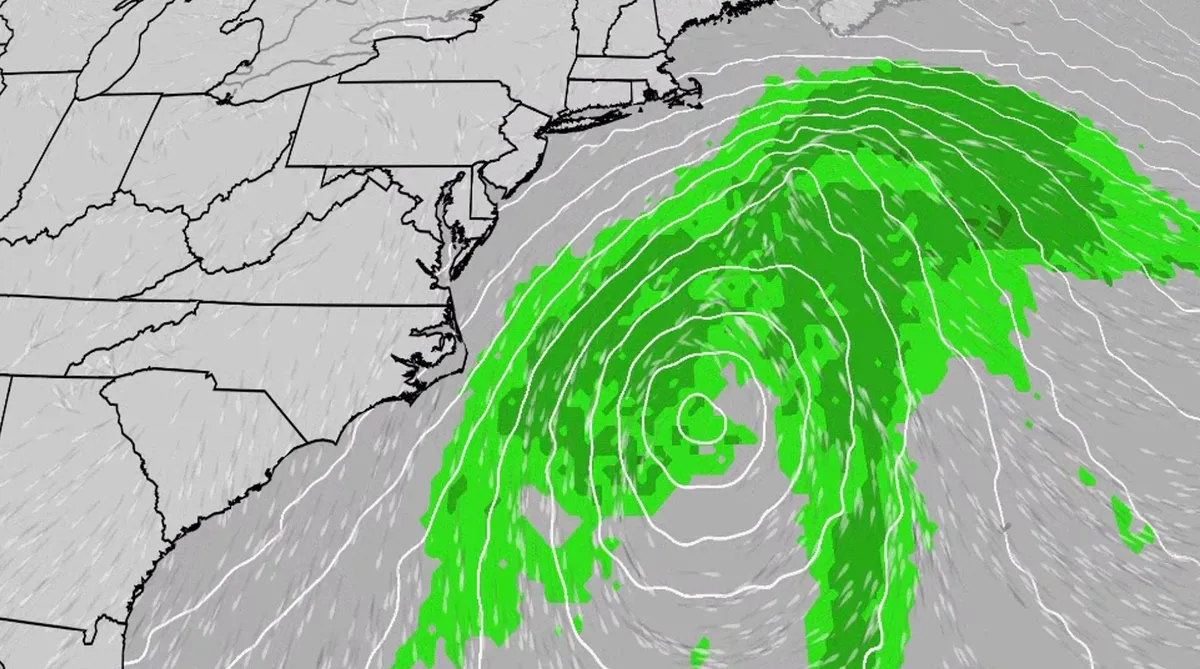
An October nor'easter is developing in the Atlantic, where it will bring high surf, rip currents, coastal flooding and winds to parts of the East Coast for several days this week. The National Hurricane Center has highlighted it as an area to watch this week for the potential development of Josephine. However, regardless of whether we call this system a nor'easter or Josephine, the impacts will be the same. The bottom line: This system will bring dangerous conditions to the East Coast for multiple days this week.(MORE: What is a nor'easter?)Fortunately, this nor'easter doesn't look to be as strong as the one in September. But the bad news? It could linger for much of the week, so impacts could have a longer duration. Coastal flood alerts are in effect for parts of coastal North Carolina and Virginia, where anywhere from 1 to 4 feet of inundation is possible. Get More of Our News on GoogleSet The Weather Company as a 'Preferred Source' to get quicker access to the news you value. Key takeawaysWe do not expect this storm to be as strong as the late September nor'easter.
0 comments
No comments yet. Be the first to share your thoughts!